

What Is
Paint Protection?
Paint protection is not a single product. It's the process of preserving your vehicle's clear coat, reducing environmental damage, and choosing the right level of protection for how your vehicle is actually driven, stored, and maintained.
From waxes and ceramic sealants to professional ceramic coatings, the right protection starts with understanding the paint itself — and what Westchester County's four seasons are doing to it.
How Modern Automotive
Paint Systems Work
Most vehicle owners think of paint as one single layer. In reality, modern automotive paint is a multi-layer system: primer bonds the paint to the vehicle, base coat provides the color, and clear coat sits on top as the transparent protective layer that creates gloss, depth, and environmental resistance.
When detailers talk about swirl marks, oxidation, water spots, etching, polishing, correction, and protection — they're almost always talking about the condition of the clear coat, not the color underneath. The clear coat is what takes the abuse from the environment.
The goal of paint protection is to preserve that clear coat for as long as possible by creating a sacrificial layer above it — so the environment interacts with the protection first rather than the paint itself.
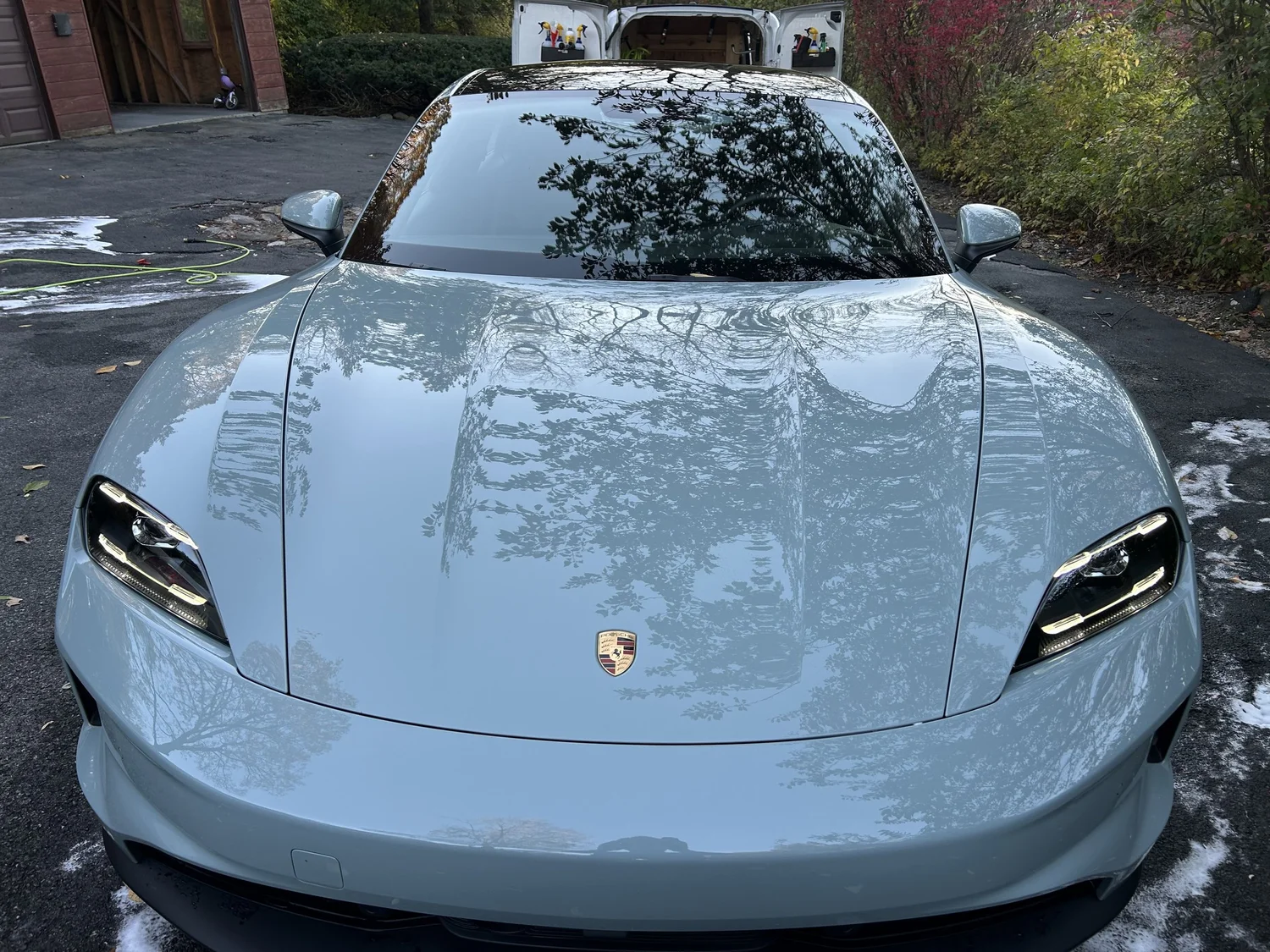
The clear coat is what takes all the abuse. Paint protection keeps the environment from reaching it directly.
The Real Enemies of
Automotive Paint
Scratches get the most attention, but most paint problems come from chemical and environmental contamination that slowly affects the clear coat surface over time. Understanding what actually causes paint deterioration helps explain why protection matters.
UV Exposure
Sunlight slowly breaks down materials over time. Clear coat is designed to resist UV damage, but years of exposure still contribute to fading, oxidation, and loss of gloss — particularly on vehicles parked outside year-round throughout Westchester County.
Iron Fallout
Brake dust, rail dust, and airborne metallic particles bond to paint and make the surface feel rough even after washing. Vehicles near rail corridors and high-traffic Westchester parkways accumulate iron fallout faster than most owners realize.
Water Spots
Water spots are caused by minerals left behind after water evaporates. If they sit long enough — particularly during summer heat — they can etch into the clear coat and require paint correction to remove rather than simple cleaning.
Bird Droppings
Bird waste contains uric acid and organic compounds that become more concentrated as the dropping dries. In hot weather, the combination of chemical exposure and physical stress from drying can cause permanent etching in as little as a few days.
Tree Sap
Fresh sap can be managed. Once sunlight and heat harden it against the clear coat, it bonds aggressively and becomes increasingly difficult to remove without causing additional damage from aggressive scrubbing. Spring and summer in Westchester's wooded communities make this a consistent issue.
Road Salt & Brine
Northeast winters expose vehicles to rock salt, liquid brine, and chemical de-icers from November through March. Salt attracts and holds moisture — accelerating long-term deterioration on wheels, lower panels, trim, and painted surfaces throughout the season.
Improper Washing
Dirty towels, automatic tunnel washes with rotating brushes, stiff cloths, and rushed wash methods create swirl marks and fine scratches that slowly dull the clear coat finish. Over months and years, this accumulation of wash-induced marring is one of the most common sources of paint degradation.
Bonded Contamination
Over time, industrial fallout, tar, and airborne pollutants bond chemically to the clear coat surface. These contaminants don't wash off — they require dedicated decontamination treatment to remove safely before protection can bond properly.
Organic Acids
Insects, pollen, and organic debris contain acids that can begin affecting the clear coat if left on the surface long enough. Prompt removal matters more than most owners realize — particularly during bug season and heavy pollen periods in spring.
How Paint Protection
Actually Works
Paint protection doesn't make a vehicle invincible. What it does is create a sacrificial layer above the clear coat — so the environment, contaminants, and UV exposure interact with that protection first rather than the paint itself. When the protection degrades over time, it can be renewed. The clear coat beneath it is preserved.
Whether the protection comes from a wax, sealant, ceramic sealant, or professional ceramic coating, that core idea is the same. The differences are in durability, hardness, depth of bonding, and how long the protection holds before it needs to be renewed.
Protection buys time. It doesn't stop chemistry — but it changes what the chemistry has to work through to reach your paint.
Protection Starts With
Decontamination
Many people think protection begins when a wax or coating is applied. In reality, protection begins with removing what's already bonded to the paint. Protection products bond to what's underneath them — including contamination, defects, and residue. Applying protection over a dirty or contaminated surface traps that contamination underneath and significantly reduces how well and how long the protection performs.
Proper preparation means removing surface contamination through washing, then removing bonded contamination through paint decontamination, then evaluating whether any surface correction is needed before protection is applied. This sequence is what separates a professional protection service from a quick spray-and-go.
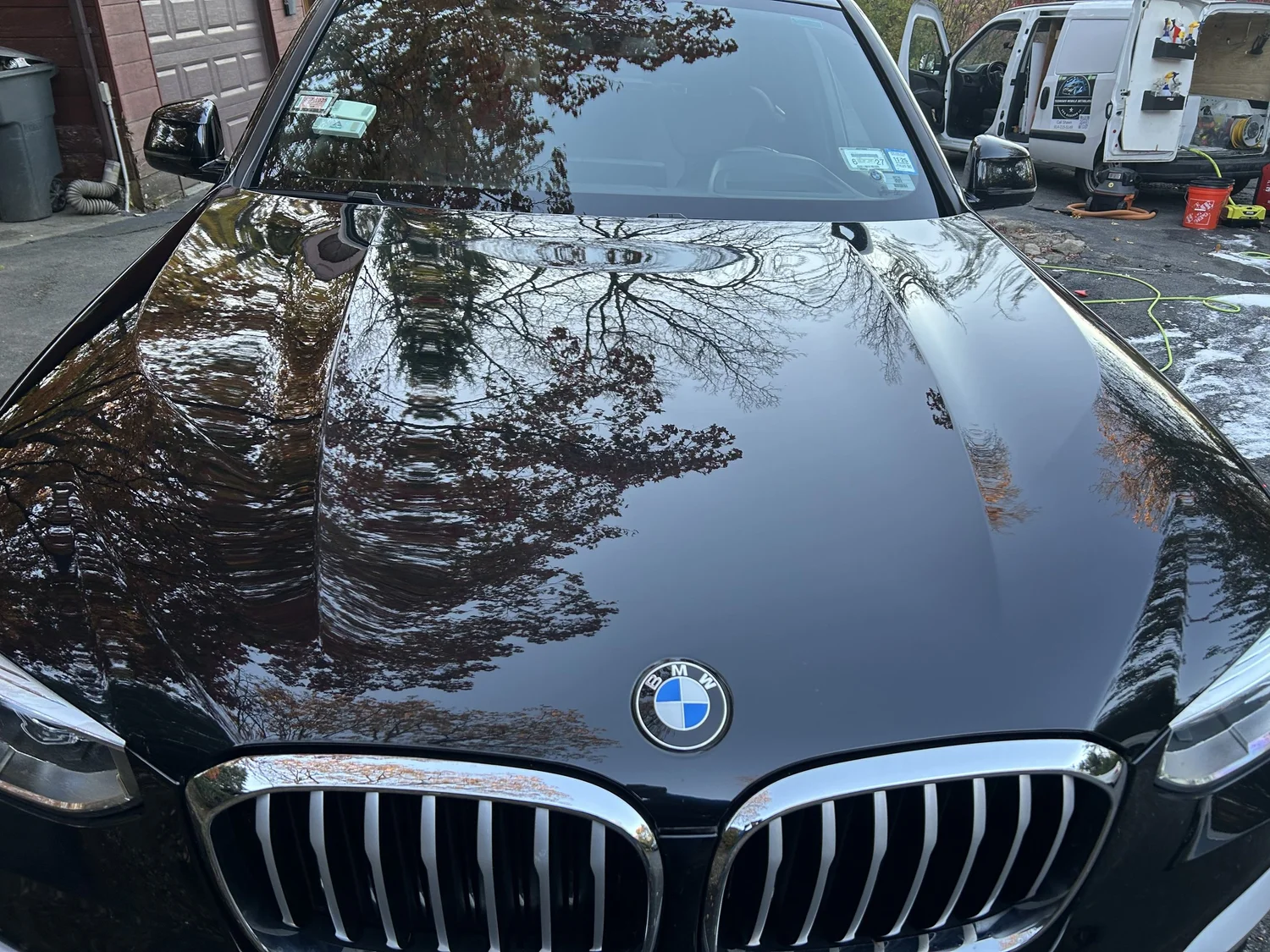
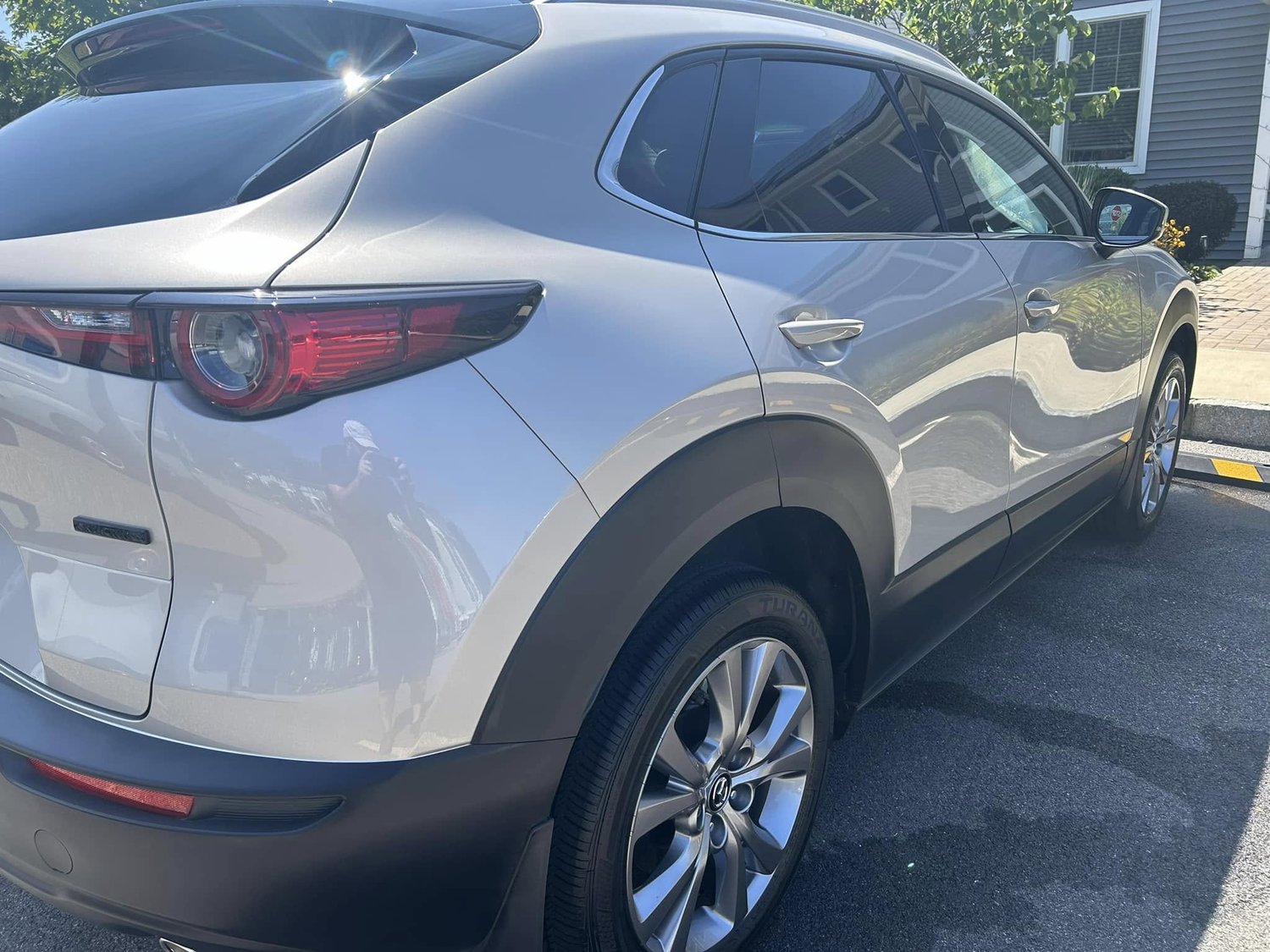
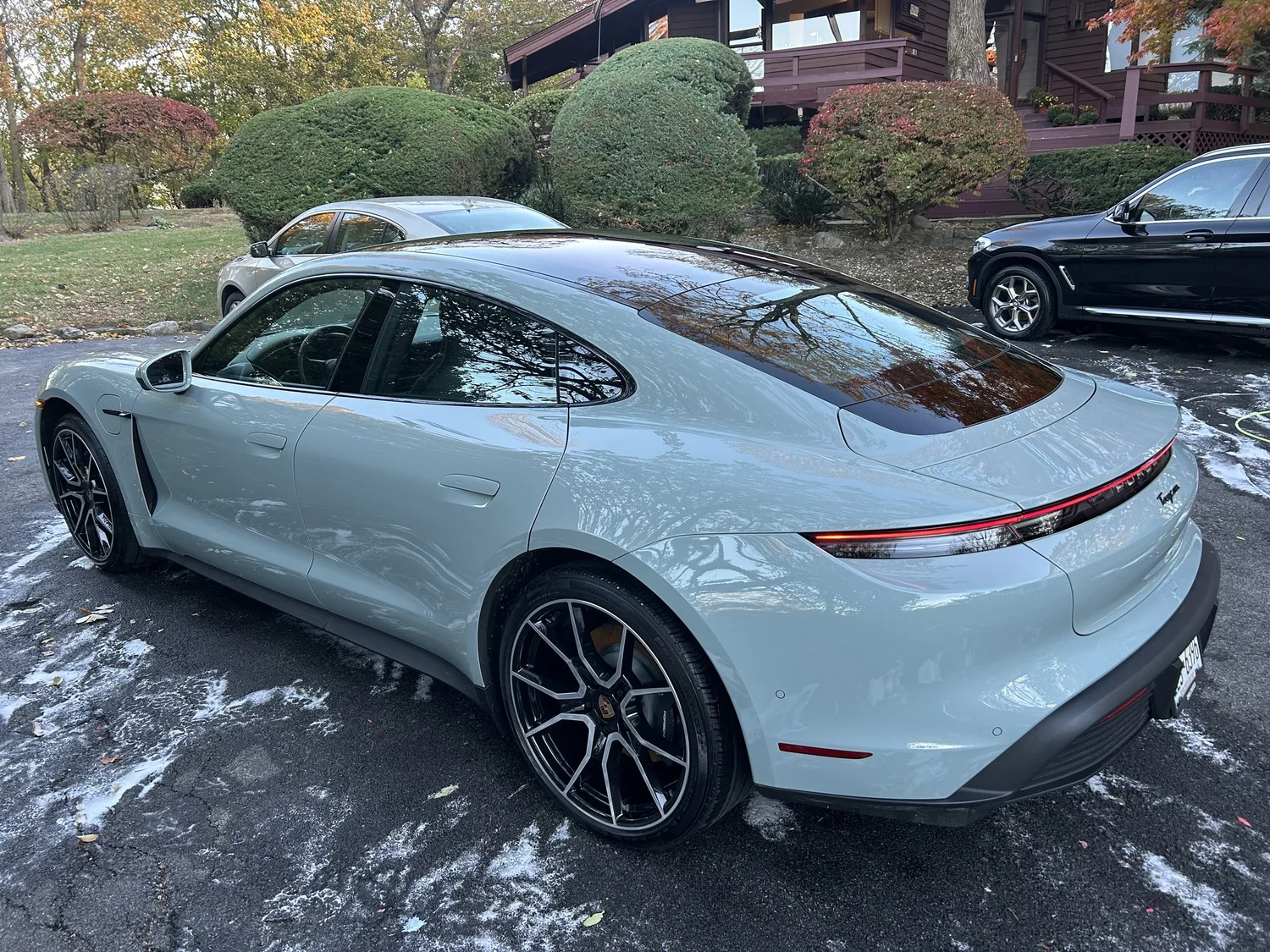
What Properly Protected
Paint Looks Like
Wax vs Sealant vs
Ceramic Coating
The right protection depends on your ownership goals, how long you plan to keep the vehicle, where it's stored, and how much maintenance you want to do between professional services. Here's how the most common protection types compare.
| Type | Typical Durability | Gloss Level | Water Behavior | Best For |
|---|---|---|---|---|
| Spray Wax / Quick Detailer | 3–4 weeks | Good | Moderate | Maintenance between services, garage-kept vehicles |
| Traditional Paste Wax | 1–2 months | Very good | Good | Enthusiasts, weekend vehicles, owners who enjoy the process |
| Ceramic Sealant | 4–6 months | Very good | Strong | Daily drivers, family vehicles, seasonal protection |
| Professional Ceramic Coating | 2–5 years | Excellent | Excellent | Long-term ownership, new vehicles, premium vehicles |
The Different Types of
Paint Protection
Newer doesn't automatically mean better for every vehicle. The right protection depends on how much durability, maintenance support, and long-term value the owner actually needs.
Spray Waxes & Quick Detailers
Spray waxes and quick detailers provide a fast boost in gloss, slickness, and short-term protection. Often used between larger detailing services or after a wash to refresh appearance. Best for frequent washers, garage-kept vehicles, enthusiasts, and maintaining protection between details.
Traditional Paste Waxes
Traditional waxes were the original standard for automotive paint protection. Many enthusiasts still enjoy the warm glow and rich appearance quality waxes can provide. Best for weekend vehicles, show vehicles, garage-kept cars, and owners who enjoy regular maintenance as part of the ownership experience.
Ceramic Sealants
Ceramic sealants bridge the gap between traditional waxes and professional coatings. They offer stronger water behavior, better durability, and improved environmental resistance at a fraction of the cost of a full coating. Best for daily drivers, family vehicles, seasonal protection, and owners seeking strong value without a long-term commitment.
Book Signature Exterior Reset →Professional Ceramic Coatings
Professional ceramic coatings are designed for long-term paint preservation. They bond chemically to the clear coat and provide years of protection when installed and maintained properly — significantly easier maintenance, better contamination resistance, and substantially longer service life than any wax or sealant.
View Ceramic Coating Services →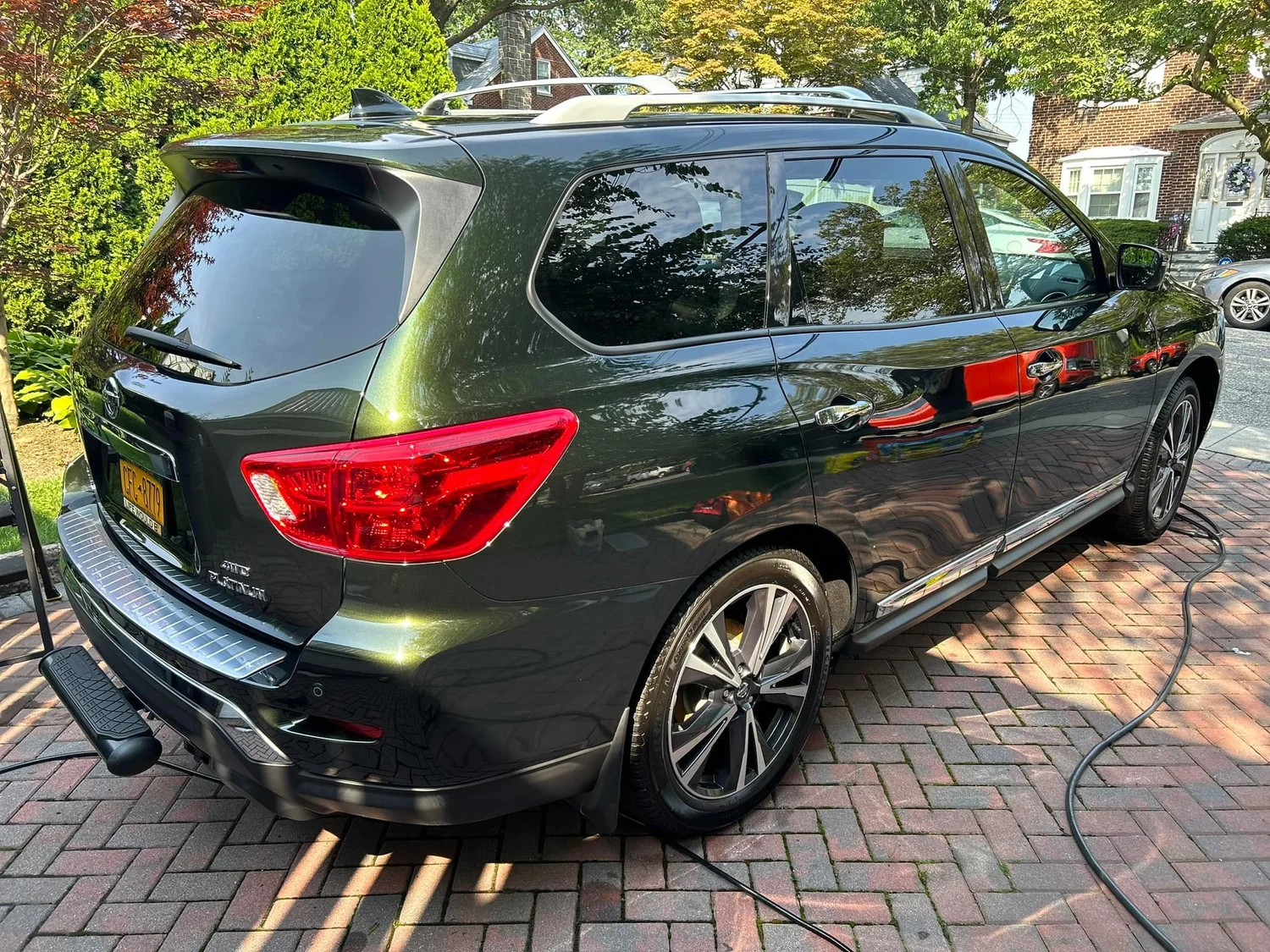
Paint Correction vs
Paint Protection
Paint correction and paint protection are often confused — but they serve very different purposes. Paint correction improves appearance by reducing defects like swirl marks, light scratches, oxidation, and water spot etching. Paint protection preserves the surface after it has been cleaned, decontaminated, or corrected.
Think of it like refinishing hardwood floors: you restore it before applying a protective finish. Automotive paint follows the same principle. Applying protection over a defect-filled surface seals those defects in permanently.
If a vehicle has heavy contamination, dullness, oxidation, or neglected protection, it may need a deeper exterior reset before long-term protection is applied. Our Signature Exterior Reset is designed for vehicles that need more than a simple wash and protection refresh.
Common Ceramic Coating
Myths — Debunked
Ceramic coatings are excellent protection products, but they're often overpromised by both manufacturers and installers. Knowing what they don't do is just as important as knowing what they do.
Myth
Ceramic Coatings Are Scratch Proof
Ceramic coatings may help resist very minor wash-induced marring, but they do not make paint immune to scratches from automatic car washes, branches, shopping carts, or improper washing. The clear coat can still be damaged through physical contact — the coating simply provides an additional sacrificial layer, not armor.
Myth
Ceramic Coatings Prevent Rock Chips
Rock chips are caused by physical impact — a stone striking the paint at speed. Ceramic coatings are designed for chemical and environmental protection, not impact absorption. Paint Protection Film (PPF) is the product designed for rock chip protection. These are fundamentally different technologies solving different problems.
Myth
You Never Have to Wash Again
A coated vehicle still gets dirty — it just gets dirty in a way that's meaningfully easier to clean. Contamination has a harder time bonding to a coated surface, washing is more effective and safer, and the results look better with less effort. But regular washing is still required and is still part of proper coating maintenance.
Myth
Every Vehicle Needs a Ceramic Coating
Not every vehicle needs a ceramic coating, and not every owner's situation justifies the investment. Some owners are better served by routine professional detailing with ceramic sealant protection applied at each visit. The right protection depends on ownership goals, how long the vehicle will be kept, and how it's driven and stored.
Which Protection Is Right
for Your Vehicle?
The best paint protection depends more on ownership habits than the vehicle itself. Here's how to think about which option fits your situation.
Daily Drivers
Daily drivers face constant exposure to sunlight, rain, parking lots, road grime, and seasonal contamination. Ceramic sealants applied during regular detailing visits often provide an excellent balance of durability and value. For owners planning to keep the vehicle long-term, a professional ceramic coating becomes more compelling.
Book Exterior Essentials →Family Vehicles
Family SUVs and crossovers see some of the harshest real-world use — parking lots, school drop-offs, outdoor activities. For these vehicles, protection is about easier maintenance and preserving value over years of genuine use rather than preserving a showroom finish.
Book Signature Exterior Reset →New Vehicles
New vehicles benefit from early protection before years of contamination and wear accumulate. Starting with a properly decontaminated and protected surface from the beginning creates a maintenance baseline that's significantly easier to sustain than restoring a neglected vehicle years down the road.
View Ceramic Coating →Long-Term Ownership
If you plan to keep a vehicle for 8 to 12 years, durable protection becomes significantly more valuable. The cumulative difference between consistently protected and unprotected paint over a decade is substantial — both in appearance and in what's required to restore the paint if it's been neglected.
View Monthly Maintenance →Paint Protection in
Westchester County
Vehicles in Westchester County experience four distinct seasons, and each season creates a different challenge for automotive paint. Understanding the seasonal cycle helps explain why consistent protection matters throughout the year — not just at one point.
Winter — Salt, Brine & Moisture
Road salt, liquid brine, slush, and chemical de-icers expose vehicles from November through March. These materials weaken existing protection and accelerate long-term deterioration on wheels, lower panels, and painted surfaces if left on the vehicle between washes.
Spring — Pollen, Sap & Fallout
Spring brings pollen, tree sap, and environmental fallout throughout Westchester's tree-lined communities. Spring is also the most important time for exterior decontamination and protection renewal after winter — removing accumulated salt damage and restoring a protected surface heading into summer.
Summer — UV, Heat & Water Spots
Summer heat accelerates paint problems. Bird droppings dry faster and etch more aggressively. Tree sap hardens more quickly. Mineral deposits from hard water and sprinkler runoff become more difficult to remove once baked on by heat and direct sunlight.
Fall — Organic Debris & Winter Prep
Fall is the right time to remove summer contamination and reinforce protection before winter road salt and brine exposure begins. Entering winter with fresh, properly applied protection significantly reduces how aggressively salt and moisture bond to the painted surface during the most damaging season.
Frequently Asked About
Paint Protection
Services That Support
Paint Protection
Paint protection doesn't exist in isolation — it's the final step in a sequence that starts with proper cleaning and preparation. These are the services that support each stage of that process.
Exterior Essentials
Start here for proper exterior cleaning, evaluation, and protection-focused maintenance. The foundation service for vehicles in reasonable condition needing a professional clean and fresh protection.
View Exterior Essentials →Paint Decontamination
Recommended when paint feels rough, carries embedded fallout, or needs proper surface preparation before protection. Essential before any form of protection is applied.
Learn About Decontamination →Paint Correction
For vehicles with swirl marks, light scratches, water spot etching, or oxidation that need to be addressed before protection is applied. Correction first, then protection — never in reverse.
View Paint Correction →Ceramic Coating
Long-term protection for owners seeking maximum durability, easier maintenance, and strong environmental resistance. The highest-performing protection option available for most vehicle owners.
View Ceramic Coating →Ready to Protect
Your Vehicle?
Whether your vehicle needs a simple protection refresh, paint decontamination, a Signature Exterior Reset, or long-term ceramic coating, choosing the right process starts with understanding the condition of the paint. Tedrow's Mobile Detailing serves Scarsdale, Rye, Rye Brook, Port Chester, New Rochelle, Larchmont, Mamaroneck, Bronxville, Pelham, Chappaqua, and surrounding Westchester County communities. We come to you.