

Ceramic
Coating
Long-term exterior protection designed for easier maintenance, gloss retention, and stronger resistance to the environmental conditions Westchester vehicles face year-round.
As part of our full car detailing service, ceramic coating forms a more durable protective layer that bonds chemically to the clear coat — resisting contamination buildup, improving hydrophobic behavior, and preserving the vehicle's exterior appearance longer.
What Ceramic Coating
Actually Is
Ceramic coating is a liquid-applied exterior protection system designed to bond chemically to properly prepared paint surfaces. Once cured, it creates a more durable protective layer that helps repel water, reduce contamination adhesion, improve surface slickness, enhance gloss, simplify future cleaning, and improve environmental resistance.
Unlike traditional waxes that wear down relatively quickly, ceramic coatings are designed for longer-term performance when properly maintained. The coating becomes part of the clear coat surface — not a temporary layer sitting on top of it.
However, ceramic coating is not simply applied on top of neglected paint and expected to create perfect results. The condition of the paint underneath the coating plays a major role in the final outcome. That is why preparation becomes one of the most important parts of the entire process — and why we evaluate every vehicle before recommending an installation path.
Book Ceramic Coating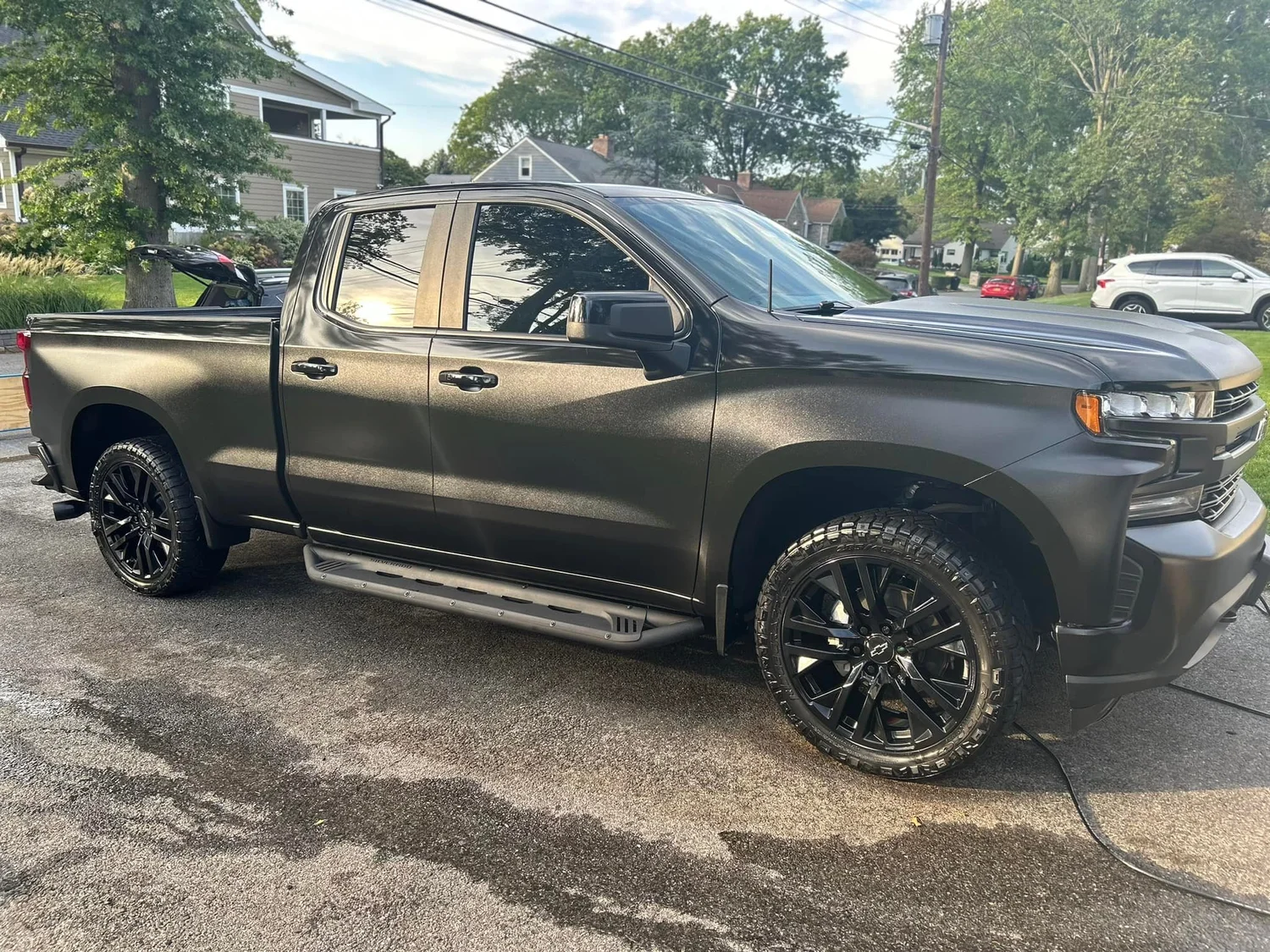
The Real Benefits of
Ceramic Coating
Ceramic coating provides several major long-term benefits when applied to properly prepared exterior surfaces. These aren't marketing claims — they're practical advantages that change the daily ownership experience.
Easier Maintenance
One of the biggest advantages of ceramic coating is how much easier the vehicle becomes to clean afterward. Dirt, water, pollen, road film, and contamination have a more difficult time bonding to coated surfaces — simplifying maintenance washes, reducing buildup accumulation, improving drying behavior, and making contamination easier to remove.
Hydrophobic Performance
Ceramic coatings are known for their strong hydrophobic properties — water tends to bead and release from the surface more effectively. This reduces standing water, improves water runoff, minimizes contamination retention, and improves overall surface behavior during rain and washing.
Gloss & Surface Appearance
While preparation creates most of the visual improvement, ceramic coating helps preserve and enhance that appearance afterward. Many coated vehicles maintain stronger gloss, improved depth, better surface clarity, richer reflections, and a cleaner overall appearance for significantly longer than uncoated vehicles.
Environmental Resistance
Vehicles are constantly exposed to UV rays, road film, pollen, bug residue, bird droppings, rain, industrial fallout, and seasonal contamination. Ceramic coating provides a stronger layer of resistance against those conditions while reducing how aggressively contamination bonds to the surface over time.
Long-Term Ownership Value
For many owners, ceramic coating is less about chasing extreme gloss and more about simplifying ownership, protecting the finish, and making the vehicle easier to maintain throughout changing seasons. It's a practical investment in the long-term condition of the exterior.
Protection After Preparation
Whether the vehicle is newer, recently corrected, or being brought back into better condition, ceramic coating provides a stronger long-term foundation for exterior protection that maintains its performance far beyond what any wax or sealant can offer.
What Ceramic Coating
Does Not Do
One of the most important parts of understanding ceramic coating is understanding what it doesn't do — and being honest about that upfront is how we set expectations that lead to satisfied clients rather than disappointed ones.
It Is Not Scratch-Proof
Ceramic coating is not scratch-proof, swirl-proof, maintenance-free, or permanent. It does not prevent all future imperfections or eliminate the need for proper washing and care. Aggressive washing, improper tools, and physical contact with contaminants can still mar a coated surface.
What it does do is reduce how easily contamination bonds, make the surface more forgiving to clean, and provide a stronger base of protection than uncoated paint — but it is not a force field, and shouldn't be represented as one.
It Does Not Correct Paint
Ceramic coating will not automatically remove swirl marks, oxidation, heavy contamination, water spot etching, or paint defects. If defects and contamination remain before application, the coating will preserve those conditions rather than correct them — locking them in under a protective layer.
A ceramic coating can only protect the condition of the surface underneath it. That is why evaluation and preparation are critical parts of the process — and why we won't install coating over paint that isn't properly prepared first.
Why Preparation Is the
Most Important Step
Before coating is applied, the exterior often requires deeper cleaning, decontamination, surface refinement, and defect evaluation. Without proper preparation, the coating cannot properly bond or perform at its highest level — and any defects present at installation will be sealed under the coating permanently.
Signature Exterior Reset
Vehicles carrying heavier contamination, sticky buildup, neglected surfaces, or rough paint conditions may first need a Signature Exterior Reset. This includes paint decontamination and clay bar treatment to remove bonded contamination — creating a cleaner, healthier starting point before moving into refinement and protection.
Book Signature Exterior ResetPaint Correction
Vehicles with swirl marks, light scratches, oxidation, or surface haze may benefit from paint correction before ceramic coating is applied. A ceramic coating locks in the condition of the surface underneath it — correcting first means the coating is protecting a cleaner, more reflective finish.
We use a single-stage machine polish — not multi-stage correction — for most vehicles. Modern clear coats are thin, and removing more material than necessary to achieve a good result isn't something we're willing to do. For the vast majority of daily drivers, one well-executed pass is all that's warranted.
Paint Enhancement
Some vehicles don't need full paint correction but still benefit from improving gloss and surface clarity before coating installation. Paint enhancement can improve gloss, depth, reflection quality, and overall finish appearance before the coating is applied — without the level of material removal that full correction involves.
Surface Evaluation & Protection Planning
The correct preparation path depends on the current condition of the paint, trim, glass, contamination level, and long-term protection goals. The right coating level also depends on how the vehicle is driven, stored, maintained, and exposed to seasonal conditions. We evaluate all of this before recommending an installation path.
Talk to Us First
Ceramic Coating
Packages
We offer three levels of ceramic coating protection based on durability, gloss depth, and long-term performance goals. All levels require proper surface preparation before application.
Who Ceramic Coating
Is Best For
Ceramic coating performs best when paired with proper preparation and realistic maintenance expectations. Here's who tends to benefit most.
Daily Drivers
Drivers exposed to weather, road contamination, rain, salt, pollen, and everyday buildup benefit significantly from easier cleaning and stronger long-term protection against the environmental conditions of regular Westchester commuting.
Long-Term Owners
Owners planning to keep their vehicle for several years benefit from preserving gloss, simplifying upkeep, and reducing how aggressively contamination bonds to the surface over time — keeping the exterior in better condition longer.
Newer Vehicles
Newer vehicles can benefit from early protection before heavier contamination, oxidation, and wash defects begin taking hold. Starting fresh with a properly coated surface is far easier than restoring a neglected one later.
Recently Corrected Paint
Ceramic coating pairs naturally with paint enhancement or correction because it helps preserve the improved clarity and gloss after refinement — protecting what was just restored rather than letting it degrade again.
Commuters
Vehicles that see frequent highway driving, road spray, brake dust, and seasonal exposure often benefit most from stronger exterior protection — the higher the exposure, the more the coating's contamination resistance pays off.
Regularly Maintained Vehicles
Ceramic coating performs best when paired with proper washing habits and consistent care. Owners who already maintain their vehicles well will see the greatest return on the coating investment.
Ceramic Coating vs
Traditional Protection
Traditional waxes and spray sealants still provide short-term protection benefits, but ceramic coating is designed for longer-term performance and stronger durability. Understanding the difference helps set realistic expectations for both.
Waxes & Sealants
Waxes and spray sealants can improve gloss and provide temporary protection, but they typically wear down faster through washing, weather exposure, and seasonal contamination — often requiring reapplication every few weeks to months.
These options still make sense for vehicles that don't need long-term coating protection immediately, or as interim maintenance between coating services.
Learn about paint protection options →Ceramic Coating
Compared to shorter-term protection systems, ceramic coating generally offers longer durability, stronger environmental resistance, better hydrophobic behavior, improved chemical resistance, easier maintenance, and more consistent long-term performance.
The best protection approach depends on vehicle condition, ownership goals, maintenance habits, environmental exposure, and long-term expectations. We can help determine the right option when we assess the vehicle.
Book Ceramic Coating →What Ceramic Coating
Looks Like in Action
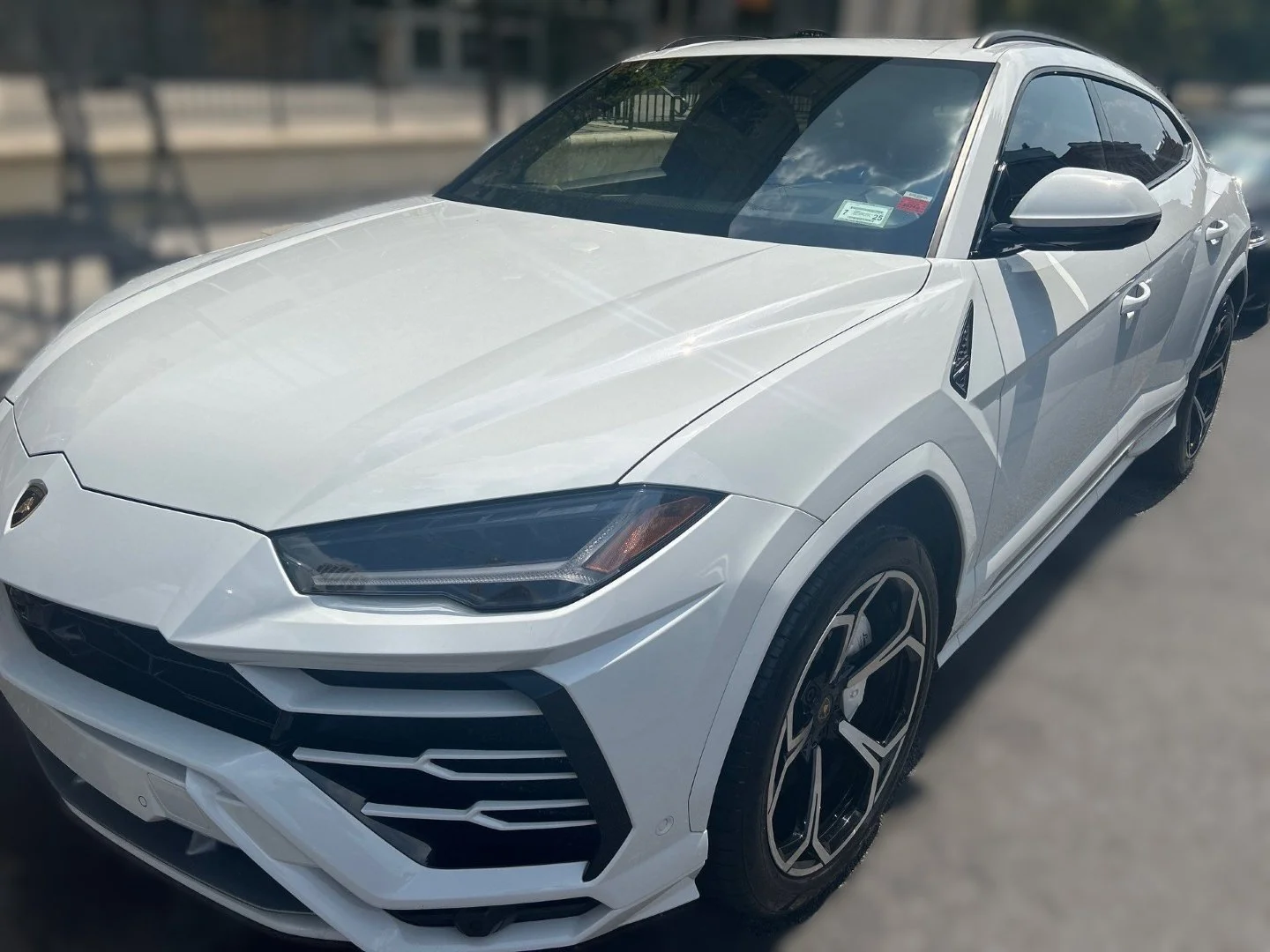
The hydrophobic behavior of a properly applied ceramic coating is visible immediately — water forms tight spherical beads that roll off the surface rather than sheeting across it or sitting in place.
Seasonal Benefits of
Ceramic Coating
Seasonal exposure plays a major role in exterior deterioration over time. Ceramic coating addresses that exposure differently in each season — making it especially valuable for vehicles in Westchester's year-round weather cycle.
Winter Protection
Winter introduces road salt, brine, moisture, and road film buildup. Ceramic coating helps make winter contamination easier to remove while reducing how aggressively buildup bonds to the surface during months of exposure.
Spring Recovery
After winter, coated vehicles are often easier to clean and recover because contamination releases more effectively from protected surfaces. Spring is also a common time for coating inspections and protection refreshes.
Summer Exposure
Summer introduces UV exposure, bug residue, pollen, tree sap, bird droppings, and heat cycling. Vehicles exposed to outdoor parking or tree cover benefit significantly from stronger exterior protection during warmer months.
Fall Preparation
Fall is one of the best times to install ceramic coating before winter exposure begins again. Applying protection before harsh seasonal conditions arrive helps better prepare the vehicle for months of contamination exposure ahead.
Year-Round Maintenance
Ceramic coating supports easier exterior care across all seasons by reducing contamination adhesion and helping the vehicle clean up more consistently — regardless of what the current season is throwing at it.
Environmental Resistance
For vehicles exposed to outdoor parking, road contamination, trees, salt, rain, and daily driving throughout Westchester, coating protection provides a stronger defensive layer against all of it year-round.
Recommended Pairings
& Enhancements
Ceramic coating often pairs well with other exterior protection and refinement services — creating a more complete result and better long-term outcome.
Glass Coating
Many clients pair ceramic coating with glass coating. This improves wet-weather visibility, water repellency, easier glass maintenance, and driving visibility during storms and winter conditions — complementing the paint coating with protection on every glass surface.
Learn about Glass