

What Is
Car Detailing?
Car detailing is often misunderstood. It's not the same as a car wash — and it's not just about making your vehicle look clean for a few days.
This guide explains what professional detailing actually involves, how different services are structured, and what you should realistically expect before, during, and after the process.
What Is Car
Detailing?
A car wash removes loose surface dirt. Car detailing goes further — it's a thorough, methodical cleaning and restoration process that addresses the condition of a vehicle's surfaces at a much deeper level.
Professional detailing can include cleaning, decontaminating, polishing, and protecting exterior surfaces like paint, glass, wheels, and trim. Interior detailing addresses upholstery, carpets, hard surfaces, vents, and odors. Most professional detailers offer a range of services depending on what a vehicle actually needs.
The goal isn't just appearance — it's condition. A properly detailed vehicle is cleaner, better protected, and easier to maintain than one that has only been run through an automated wash. For vehicles kept long-term, or for owners who want to preserve resale value, regular detailing makes a meaningful difference over time.
View Our Services
Detailing vs a Car Wash —
What's the Actual Difference?
Both remove dirt — but that's roughly where the similarity ends. Understanding the difference helps set realistic expectations for each service and helps you choose the right one for your vehicle's current situation.
Automated Car Wash
A car wash removes loose surface contamination quickly and affordably. Tunnel washes and touchless systems can clean the surface of a vehicle in minutes — convenient for maintaining appearance between more thorough services.
However, car washes do not decontaminate paint, correct surface defects, restore trim, or apply durable protection. Some automated systems — particularly brush-style washes — introduce light scratches and swirl marks over time, gradually dulling the paint finish with each pass.
A car wash is a maintenance tool. It keeps a vehicle from getting visibly dirty between more thorough professional cleanings.
Professional Detailing
Professional detailing is a thorough, hands-on process that goes beyond surface cleaning. It may include decontamination, paint correction, protective coating application, trim restoration, and more — each step addressing the actual condition of the vehicle's surfaces.
Results from a professional detail last significantly longer than a car wash, and the work addresses the underlying condition of the vehicle's surfaces — not just what's visible at a glance.
Detailing is not a replacement for regular washing. It's a deeper level of care that complements routine maintenance rather than replacing it.
View Exterior Services →Types of Exterior
Detailing Services
Professional exterior detailing includes a range of services, from routine maintenance washes to comprehensive multi-step restoration. Not every vehicle needs the same service — the right choice depends on the current condition of the paint and the owner's goals.
Exterior Detail
A thorough exterior cleaning that goes beyond a car wash. Typically includes hand washing, drying, wheel cleaning, tire dressing, and window cleaning. A good starting point for vehicles maintained regularly without significant surface contamination or defects.
View Exterior Essentials →Paint Decontamination
A deeper step that removes bonded contaminants — iron fallout, industrial particles, tree sap, and other materials — that regular washing cannot remove. An essential step before applying any form of paint protection.
Learn about Paint Decontamination →Paint Correction
A machine polishing process designed to reduce or remove surface defects such as swirl marks, light scratches, water spots, and oxidation. Requires comprehensive exterior cleaning and decontamination first.
Learn about Paint Correction →Ceramic Coating
A semi-permanent protective layer applied to paint, glass, wheels, or trim. Ceramic coatings offer longer-lasting protection than waxes or sealants and can significantly simplify ongoing maintenance. Proper preparation is essential before any coating is applied.
Learn about Ceramic Coating →Glass & Windshield Coating
A specialized treatment applied to automotive glass that improves water behavior on the surface, reduces contamination bonding, and makes wet-weather driving more comfortable. Particularly useful for daily commuters on Westchester's highways and parkways.
Learn about Glass Coating →Exterior Trim Restoration
Faded or grayed exterior plastic trim can often be restored using dye-infused products. This produces significantly longer-lasting results than heat guns, which pull dye from within the plastic and lead to faster re-fading.
Learn about Trim Restoration →How a Professional Detail
Actually Works
One of the most common misconceptions about detailing is that it's primarily about the products being used. In reality, preparation and process determine most of the outcome. A professional exterior detail follows a logical sequence — and skipping or rushing any step compromises the results of everything that follows.
Pre-Rinse & Safe Washing
The vehicle is rinsed and hand-washed to remove loose surface contamination. This step uses pH-neutral soap, a multi-bucket method with dedicated wash and rinse buckets, and clean microfiber mitts — techniques designed to minimize the risk of introducing new scratches during the wash process itself. Top-to-bottom sequencing ensures dirtier lower panels are always cleaned last.
Paint Decontamination
Even after washing, bonded contaminants remain on the paint. Iron fallout from brake dust and rail dust, industrial particles, and embedded debris require chemical or mechanical decontamination to remove. An iron remover dissolves embedded metallic particles, and a clay bar treatment lifts remaining bonded contamination — restoring paint that feels genuinely smooth and is properly prepared for protection. Learn more about paint decontamination.
Paint Correction (If Needed)
If the vehicle has surface defects such as swirl marks, light scratches, or water spot etching, paint correction can reduce or eliminate these using a machine polisher and appropriate compounds or polishes. This step removes a very thin layer of clear coat to level the surface — which is why preparation comes first. Learn more about paint correction.
Protection Application
Once the surface is clean and prepared, a protective product is applied. This might be a polymer sealant for short-term protection or a more durable ceramic coating depending on the owner's goals and how long they want protection to last. Protection only performs as well as the preparation underneath it — which is why the earlier steps matter as much as the coating itself. Learn more about ceramic coating.
Finishing Details
Wheels, tires, trim, and glass receive their own cleaning and treatment depending on the service. Wheels and wheel wells are cleaned separately with dedicated chemistry. Trim is dressed or restored. Glass is cleaned streak-free inside and out. These finishing steps are often what make the biggest visual difference once the work is complete — and what separates a thorough result from a surface-level one.
What Detailing Can —
and Can't — Do
Setting honest expectations is part of the job. Here's a straightforward look at where professional detailing delivers real results — and where its limits are. Understanding both helps you make better decisions about what your vehicle actually needs.
What Detailing Can Do
- Remove bonded surface contamination that regular washing leaves behind — iron fallout, industrial particles, embedded debris.
- Reduce or eliminate light surface defects such as swirl marks, light scratches, and water spot etching through paint correction.
- Apply durable protective coatings that simplify future maintenance and help preserve paint, glass, and trim.
- Restore faded exterior trim to a closer-to-original appearance using dye-based products that penetrate the material.
- Improve wet-weather visibility by treating windshields and glass with hydrophobic coatings that cause water to bead and clear.
- Improve overall vehicle condition and resale presentation in ways that basic washing simply cannot achieve.
What Detailing Can't Do
- Repair deep scratches that have cut through the clear coat into the base coat or primer. These require body shop work or touch-up paint.
- Eliminate rock chips, dents, or physical damage to the vehicle's body panels — those require bodywork.
- Make coated paint scratch-proof. Ceramic coatings add a sacrificial protective layer, but they do not prevent rock chips or deep scratches from physical contact.
- Permanently prevent water spots or contamination. Maintenance is always required to keep results looking their best over time.
- Replace paint protection film (PPF), which physically shields paint from rock chips and road debris — a service we do not currently offer.
- Correct clear coat failure, peeling, or delamination — once clear coat has failed structurally, polishing is not the appropriate solution.
How Often Should You
Have Your Car Detailed?
There's no single answer that fits every vehicle or owner. The right schedule depends on how much you drive, where the vehicle is stored, what protection is currently on the paint, and what Westchester's seasons are doing to the exterior.
For most daily drivers in Westchester County — commuting on I-95, the Hutchinson River Parkway, the Bronx River Parkway, or the Cross County Parkway — a thorough exterior detail once or twice a year is a reasonable starting point. Vehicles with ceramic coatings can go longer between full details because the coating makes contamination easier to remove during routine washes.
Spring — Post-Winter Reset
Heavy pollen settles on vehicle surfaces throughout tree-lined communities like Scarsdale, Bronxville, Rye, and Chappaqua. Combined with spring rain, pollen creates contamination that dulls the paint. Spring is also the most important time to address winter salt accumulation before it causes further damage.
Summer — UV & Organic Buildup
Thunderstorms, tree sap mist, bug residue, bird droppings, and water spots from sprinkler systems and sudden rain are common throughout New Rochelle, Pelham, Mamaroneck, and Larchmont. Unprotected paint is especially vulnerable during warmer months when UV exposure is highest.
Fall — Pre-Winter Protection
Leaves, organic debris, and moisture create additional contamination on paint, glass, and trim heading into winter. Fall is the ideal time to reinforce protection before salt season begins — entering winter with fresh protection significantly reduces how aggressively contamination bonds to the paint.
Winter — Salt & Corrosion
Road salt, brine solutions, slush, and road grime are among the most damaging environmental exposures for vehicle exteriors. Regular washing during winter months is especially important — and mid-winter washes during mild stretches can significantly reduce the accumulation that builds up on lower panels and wheel wells.
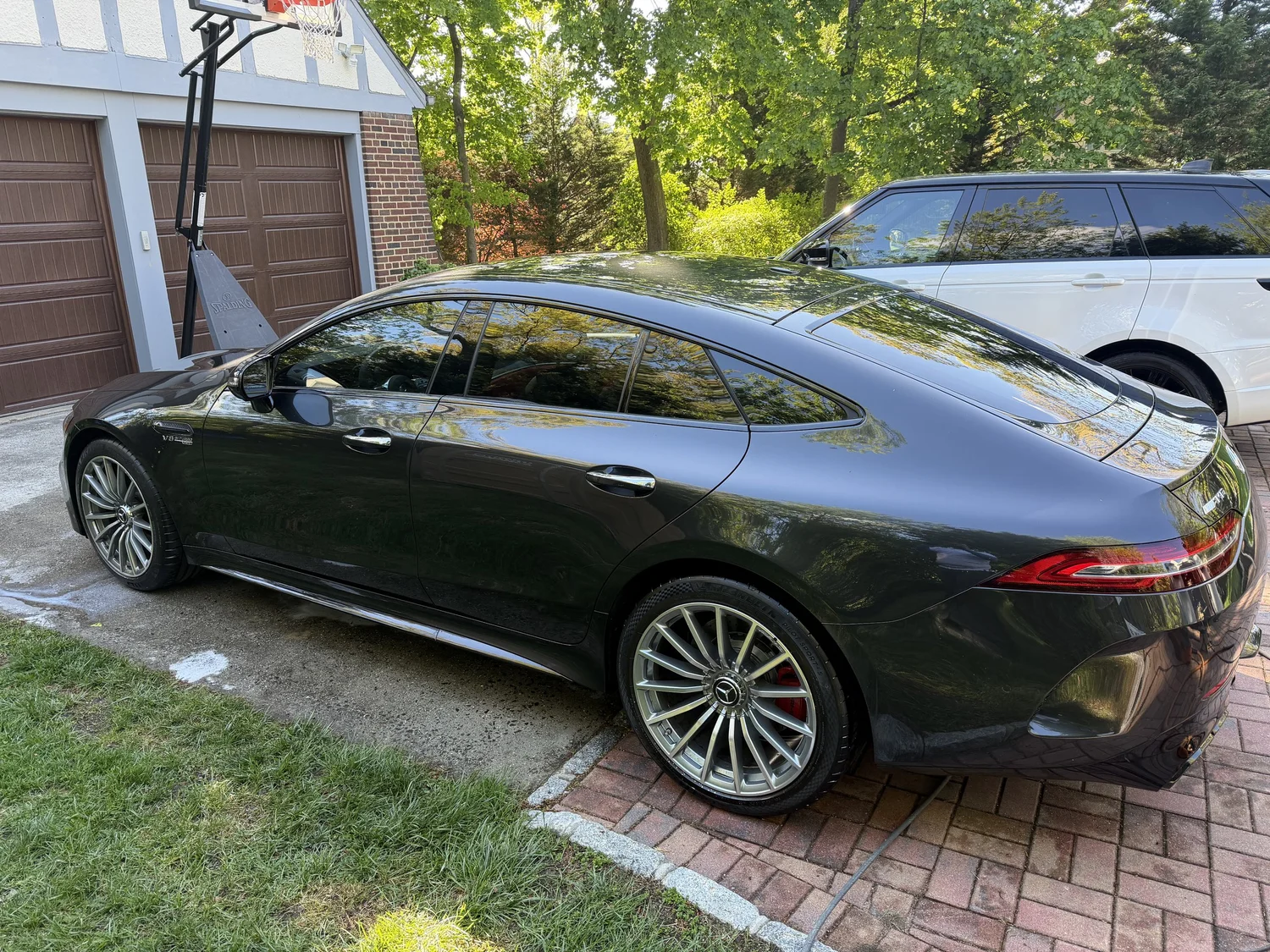
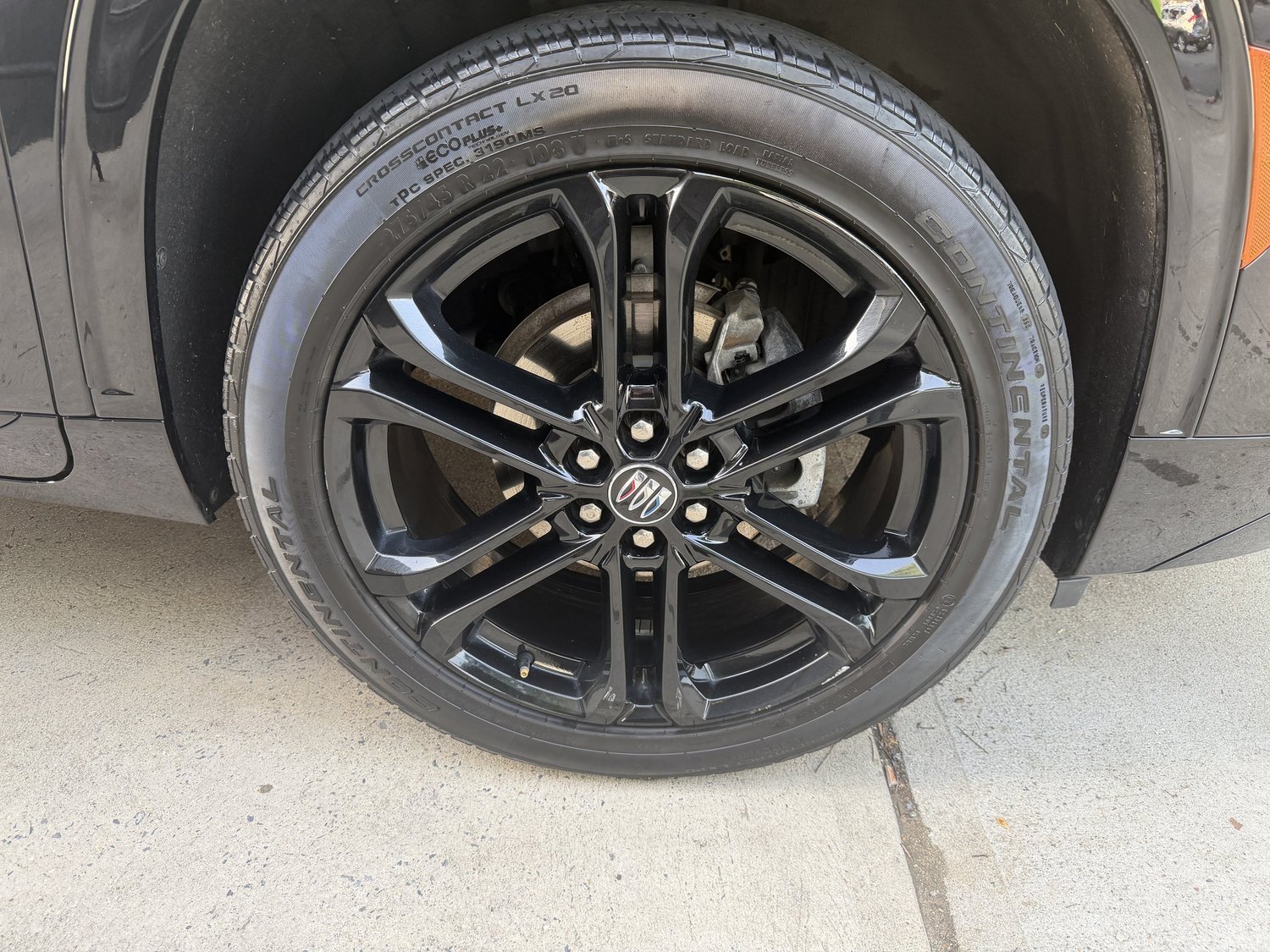
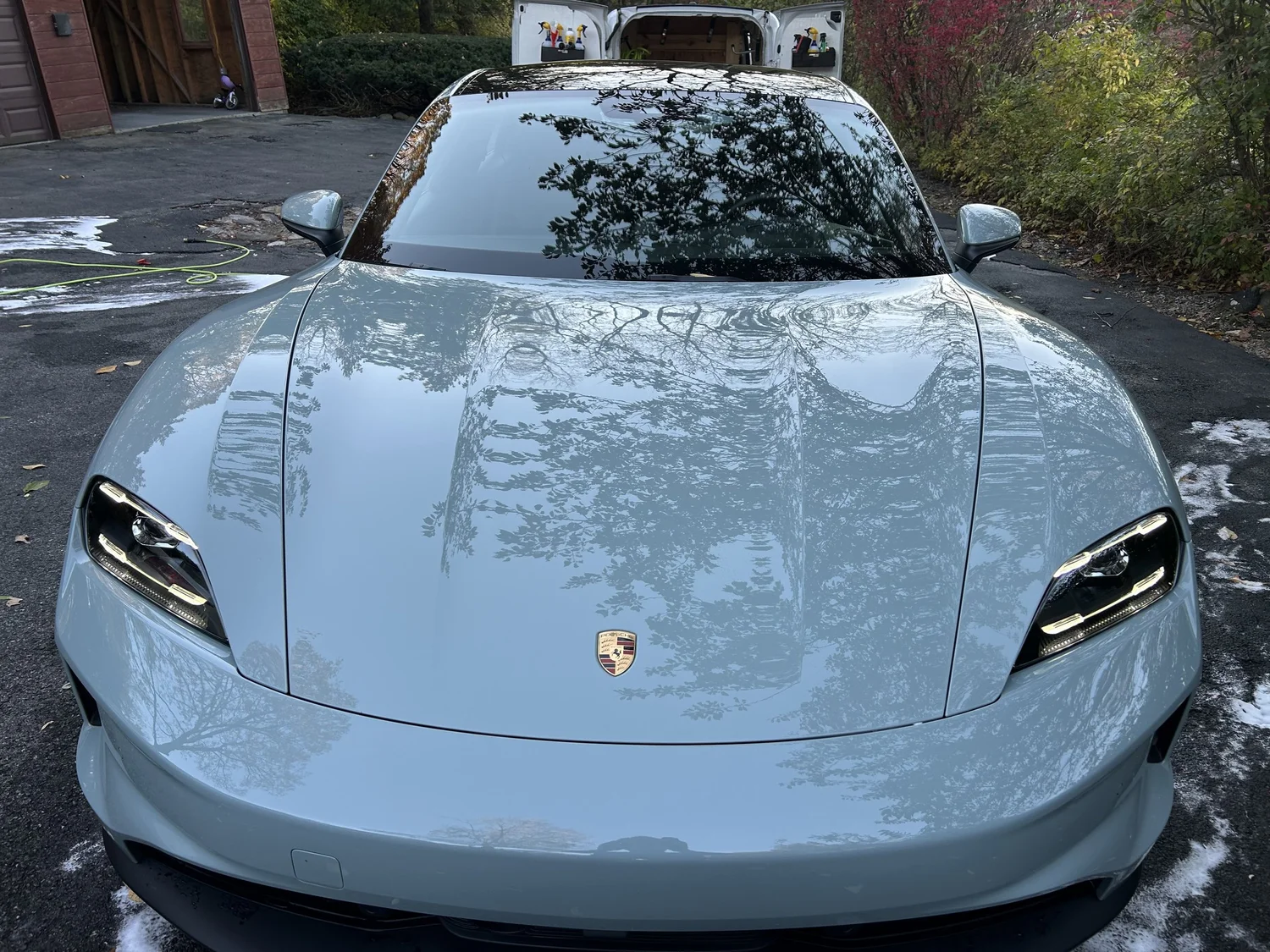
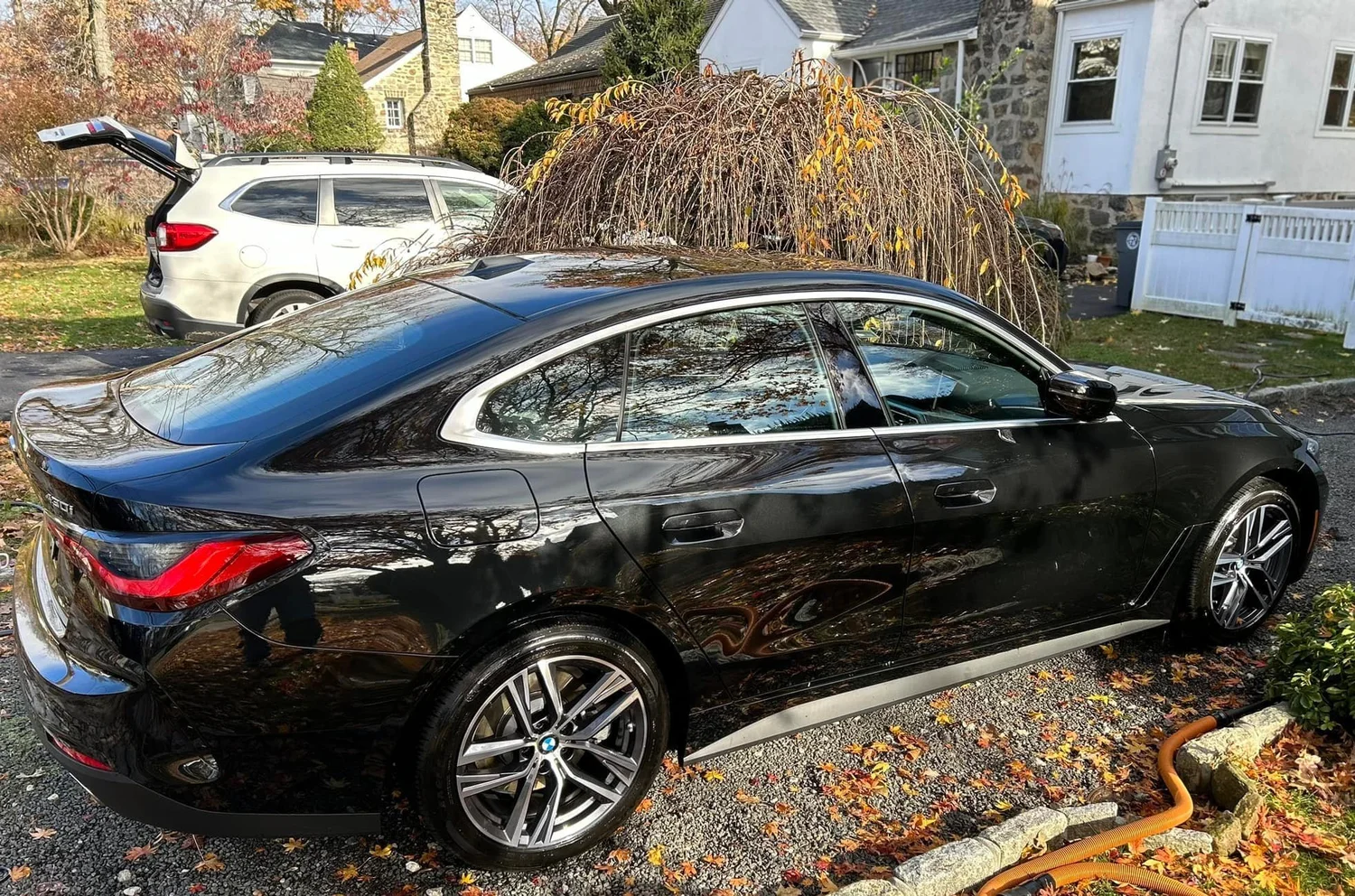
What Properly Detailed
Vehicles Look Like
How Mobile Detailing
Works
Traditional detailing requires a vehicle drop-off at a fixed location. Mobile detailing works differently — the detailer comes to you. At Tedrow's Mobile Detailing, we service vehicles throughout Westchester County at the customer's home, driveway, or workplace.
All necessary equipment — water, chemicals, tools, and power — is brought on-site. No drop-off, no waiting room, no arranging rides. The vehicle stays in place throughout the service.
For busy homeowners, families, and daily commuters throughout New Rochelle, Scarsdale, Pelham, Bronxville, Rye, Port Chester, and surrounding communities, mobile detailing removes the biggest barrier to keeping a vehicle properly maintained: finding the time to drop it off and pick it up.
View Our ServicesWho Benefits Most From
Professional Detailing?
Professional detailing isn't just for car enthusiasts. It's for anyone who wants their vehicle to be in genuinely better condition — cleaner, better protected, and easier to maintain over time.
Daily Commuters
Vehicles driven regularly on Westchester roads accumulate contamination faster than vehicles driven occasionally. Regular detailing maintains the surface condition and prevents issues from building up over time.
Long-Term Vehicle Owners
Owners who plan to keep a vehicle for many years benefit significantly from protecting paint and exterior surfaces early. Prevention is far more cost-effective than correction later — and the difference in condition after several years is substantial.
Families With Minivans & SUVs
Family vehicles take on heavy use and constant exposure. Minivans and SUVs benefit from regular attention to exterior trim, glass, and paint — surfaces that can deteriorate quickly without proper maintenance through Westchester's four seasons.
Cars Being Passed Down
Vehicles handed down to a teenager or family member often benefit from a full detail and protective treatment before the transition — both for appearance and for surface preservation going forward.
Outdoor-Parked Vehicles
Vehicles parked outside year-round face constant UV exposure, pollen, bird droppings, tree debris, and seasonal contaminants. These vehicles show wear faster without regular protective care — and benefit most from consistent professional maintenance.
Owners Considering a Sale
A professionally detailed vehicle presents better to buyers and may command a stronger selling price. First impressions in a private sale or trade-in are largely determined by exterior condition — and exterior condition is one of the most correctable factors before a sale.
What to Look for When
Choosing a Detailer
Detailing is an unregulated industry. Anyone can call themselves a detailer — which makes it important to ask the right questions before handing over your vehicle. Here's what actually matters.
Do They Explain Their Process?
A professional detailer should clearly describe what steps they take and why. If someone can't explain their preparation steps before applying protection, that's worth noting. Preparation is what separates lasting results from temporary ones.
Do They Set Honest Expectations?
Reputable detailers are clear about what their services can and can't do. Be cautious of anyone who promises scratch-proof results or permanent protection from any coating. Those claims aren't honest — and they're a sign that the conversation won't go well if something doesn't meet expectations.
Do They Use the Right Products for Each Surface?
Exterior trim, for example, is best restored with dye-based products — not heat guns, which pull dye from within the plastic and cause faster re-fading. Products matter, and so does knowing why specific products are used on specific surfaces.
Are Their Services Clearly Defined?
You should know what's included before work begins — not after. A detailer with a clear service menu and written descriptions is giving you the information you need to make a decision. Vague service descriptions that change after the work is done are a red flag.
Do They Communicate Clearly?
A detailer who responds promptly, explains their recommendations, and is transparent about limitations is typically more reliable than one who overpromises. How someone communicates before the job usually predicts how they'll handle any issues that come up during it.
Tedrow's Approach
We try to put all of this in writing — on this site, in our service descriptions, and in our customer conversations. We'd rather help you make an informed decision than oversell a service that isn't right for your vehicle. That's the foundation our business is built on.
Frequently Asked About
Car Detailing
Ready to See What Your
Vehicle Actually Needs?
Every vehicle is different. The right detailing service depends on the current condition of the paint, your driving habits, how the car is stored, and what you want to get out of the process. Tedrow's Mobile Detailing serves vehicle owners throughout Westchester County — including New Rochelle, Scarsdale, Pelham, Bronxville, Rye, Mamaroneck, Larchmont, Chappaqua, Port Chester, and Rye Brook. We come to you, explain what we're doing and why, and set honest expectations before any work begins.