

Interior
Stain Removal
Targeted stain removal for car seats, carpets, and interior surfaces — a focused service for problem areas that a standard interior detail cannot fully address.
As part of our full car detailing service across Westchester and Fairfield County, pricing is based on a vehicle evaluation. Stain type, age, material, and severity all affect the process and what results are realistic. We'll give you an honest assessment before any work begins.
What Stain Removal
Can and Can't Do
This is where we want to be straightforward before you book anything. Professional stain removal can significantly improve or fully eliminate many stains — especially when the stain is relatively fresh, the material is in decent condition, and the right treatment is applied correctly. Many coffee spills, food stains, salt lines, light dye transfer, and drink residue respond very well to professional treatment.
But some stains are permanent. Stains heat-set by a seat warmer or hot sun, dyes that have fully bonded to fabric fibers, ink that has cured over time, or biological stains left untreated for extended periods can reach a point where no professional process will fully remove them. Improving the appearance is often still possible — full elimination is not always realistic.
We evaluate every vehicle before recommending a treatment and will tell you honestly what we believe is achievable. We don't promise results we can't deliver, and we don't charge for treatments unlikely to make a meaningful difference.
Request an Evaluation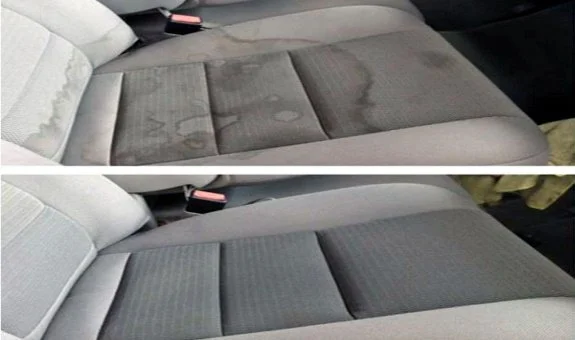
Before & After —
An Actual Job
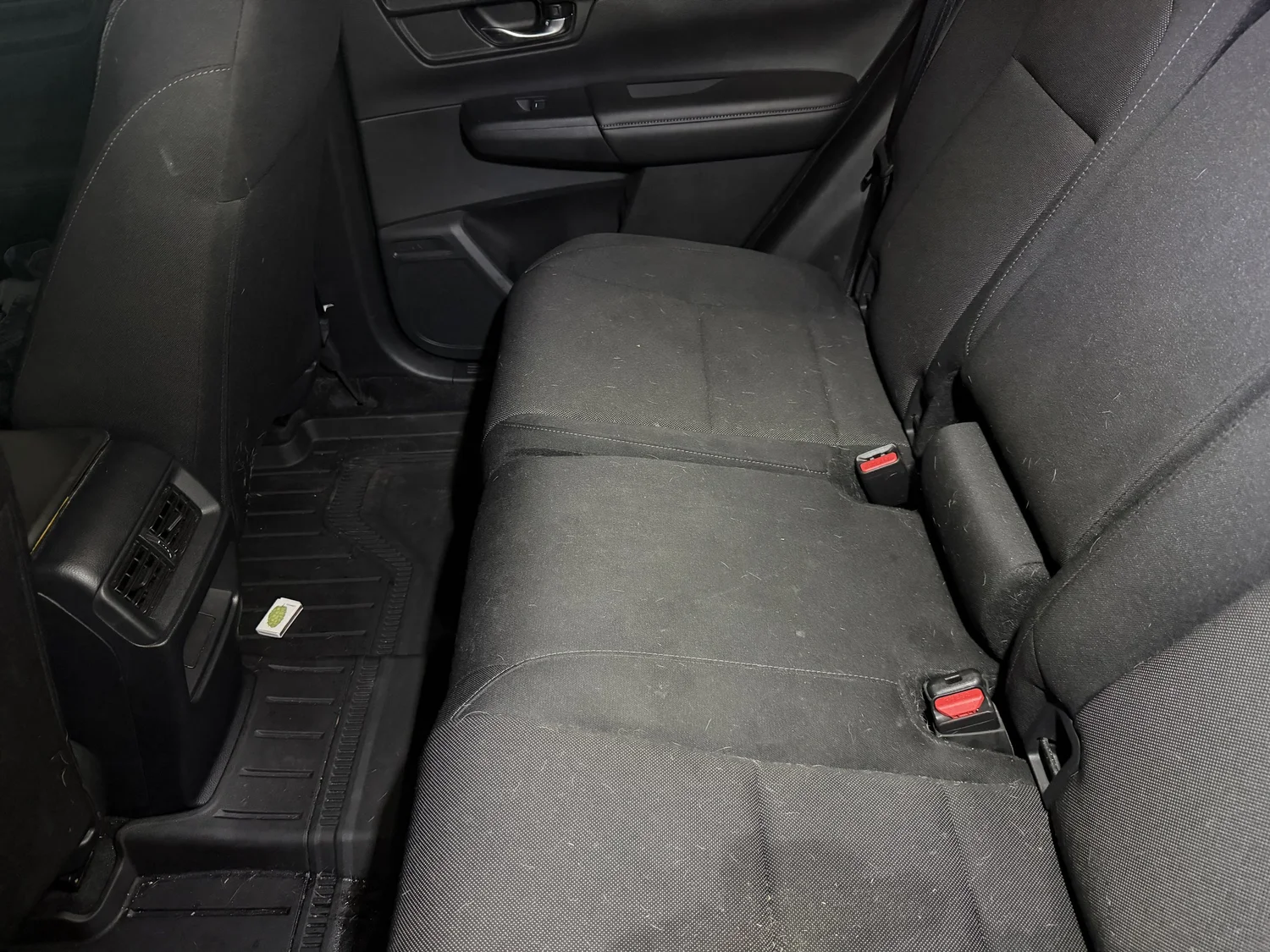
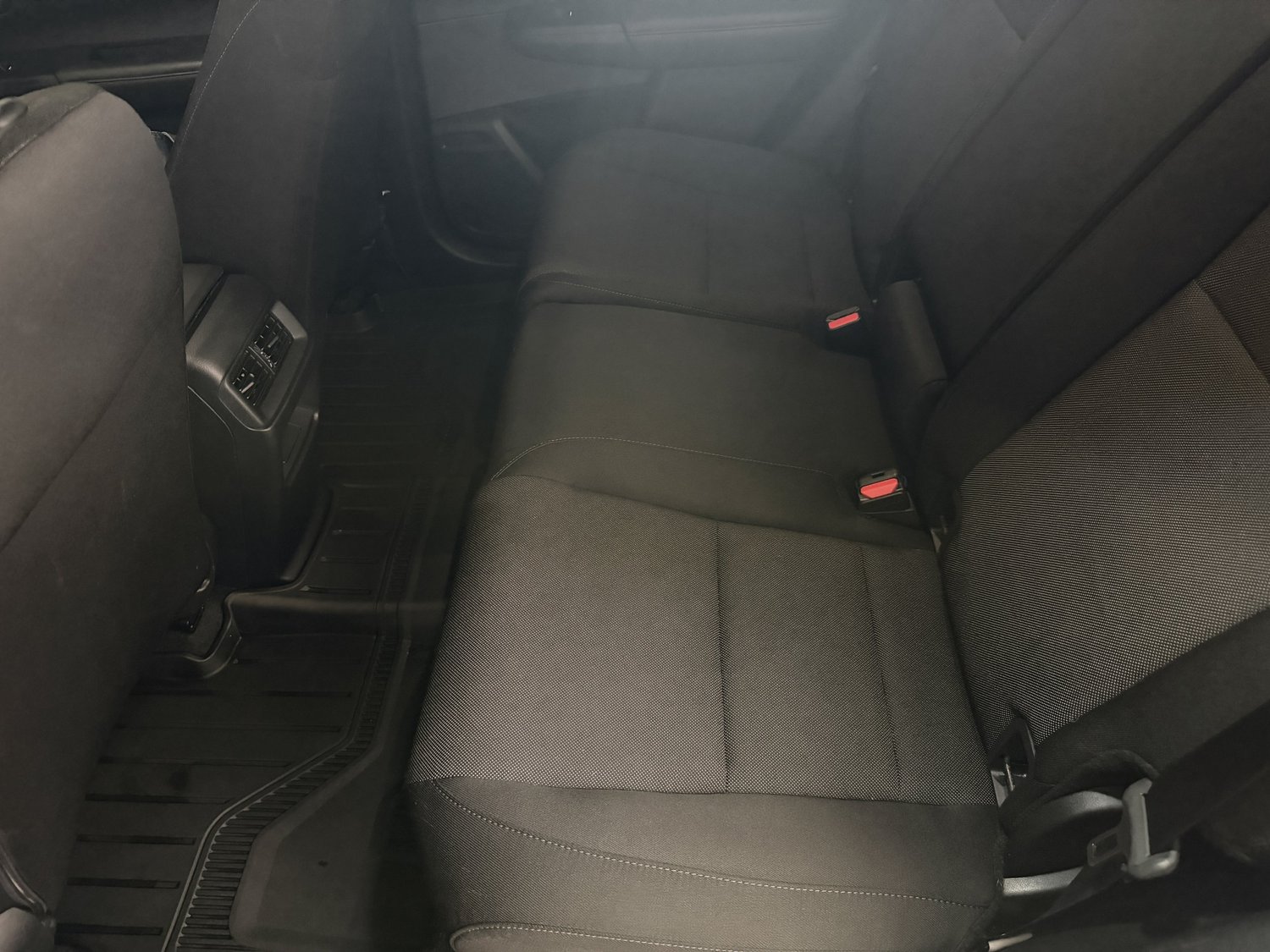
This is a real vehicle we treated — dog vomit on rear fabric seats. The kind of situation that looks like a total loss and gets worse the longer it sits. With the right enzyme-based treatment applied properly, the result speaks for itself.
Why Timing Matters More
Than Most People Realize
The single biggest factor in stain removal results is often how quickly the stain is treated — not which product is used. Understanding this helps set realistic expectations before we begin.
Fresh Stains
A stain treated within hours or days has not yet had time to fully bond with the fabric fibers or dry completely through the material. Professional extraction and targeted treatment at this stage typically produces the best results.
Even a basic blot with a clean cloth — without rubbing — can make a meaningful difference in outcomes before professional treatment arrives. Rubbing spreads the stain and pushes it deeper into the fibers, making subsequent treatment harder.
Set-In Stains
Stains that have been present for weeks, months, or longer have had time to dry, oxidize, and bond more deeply with the material. Heat from sun exposure or seat warmers can accelerate this process significantly — essentially baking the stain into the fibers.
Set-in stains may still respond to professional treatment, and meaningful improvement is often still achievable. But full elimination becomes less certain the longer a stain has been present — and expectations should be adjusted accordingly. An honest evaluation sets the right picture before we start.
Common Stain Types
We Address
Different stains require different approaches. Some respond to extraction. Others require enzyme-based treatment, targeted solvents, or multi-step processes depending on the material and how long the stain has been present.
Coffee & Drink Spills
Coffee, juice, sports drinks, and soda are among the most common interior stains. Fresh spills often respond very well to professional treatment. Stains that have dried, been wiped repeatedly, or soaked through to the foam beneath can be more challenging — but still typically show significant improvement.
Food Stains
Food stains vary widely depending on the type, whether they contain dyes or oils, and how long they've been present. Grease-based stains require specific treatment different from starch- or protein-based residues — the wrong approach can spread or set the stain further into the material.
Dye Transfer
Dye transfer from clothing, bags, or seat covers can deposit color onto light-colored seats and carpets. Results depend on the dye type, the seat material, and how deeply the dye has penetrated. Cloth seats typically respond better than some synthetic leathers.
Salt & Winter Grime
Westchester County winters leave salt lines and white residue on carpets and floor mats that can be deeply embedded. These often respond well to professional extraction but may require a more thorough approach than a standard interior service provides — particularly after a full winter of accumulation.
Ink & Marker
Ink stains — from pens, markers, or school supplies — are among the more difficult stains to treat. Fresh ink has a better chance of significant improvement than dried or spread ink. Results vary considerably based on material type and the chemistry of the specific ink.
Biological Stains
Vomit, urine, blood, and similar biological stains require enzyme-based treatment to properly break down the stain and address any associated odor. These situations also frequently benefit from odor removal treatment at the same time — because the smell source and the stain source are usually the same thing.
Stain Removal on
Leather Seats
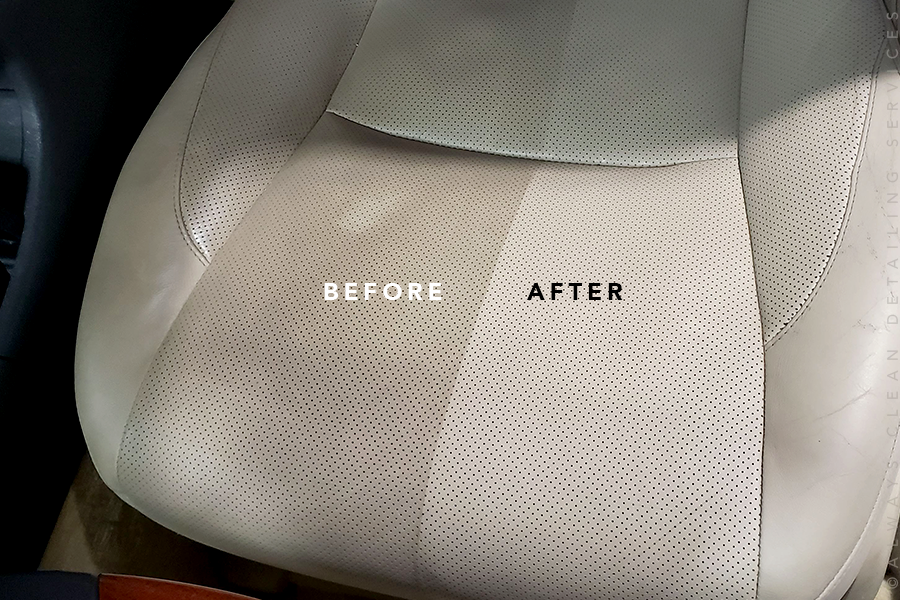
Leather requires gentle, pH-appropriate treatment that removes the stain without stripping the leather's finish or conditioning layer. Aggressive scrubbing or the wrong products can cause surface damage that's more difficult to address than the original stain — which is why material-appropriate technique matters as much as the right chemistry.
Stain Removal by
Interior Material
Cloth, leather, synthetic leather, and carpeting each respond differently to stain treatment. Using the wrong approach on the wrong material can cause additional damage rather than improvement — which is why evaluation before treatment matters.
Cloth & Fabric Seats
Cloth interiors are generally the most responsive to professional stain extraction. Enzyme-based treatments, steam, and professional extraction equipment can reach deeper into fabric than any DIY approach. Most cloth stain situations show meaningful improvement with proper professional treatment.
Leather Seats
Leather requires gentle, pH-appropriate treatment that removes the stain without stripping the leather's finish or conditioning layer. Aggressive scrubbing or wrong products can cause surface damage that's more difficult to address than the original stain. Conditioning after cleaning helps restore the surface.
Synthetic & Perforated Leather
Synthetic leather and perforated materials present additional challenges because stains and liquids can penetrate through perforations and reach the foam or material beneath the surface. These situations are evaluated case by case before treatment is recommended.
Carpets & Floor Mats
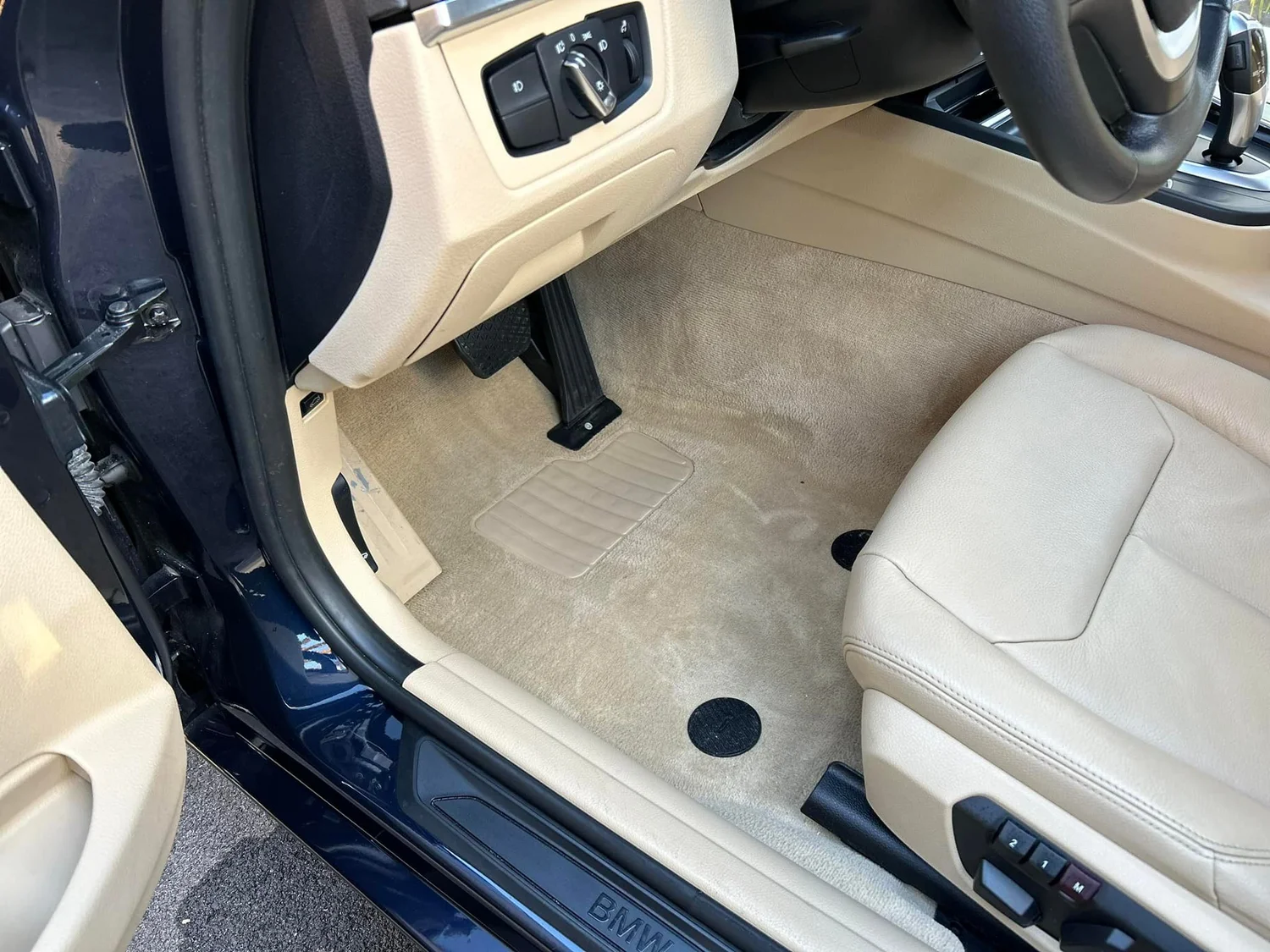
Carpet stains are treated with extraction equipment designed to pull residue and moisture from deep within the fibers. Salt lines, food residue, drink spills, and biological stains in carpeting often respond well to professional extraction combined with the appropriate treatment agent for the specific stain type.
Headliners
Headliner stains require particular care — aggressive moisture or scrubbing can cause the headliner fabric to separate from the backing, which creates a more serious problem than the original stain. Treatment options for headliners are more limited and are evaluated individually.
Plastic & Hard Surfaces
Stains on hard interior surfaces — dashboards, door panels, consoles — are typically more straightforward than fabric or carpet stains, and are often improved or resolved during a standard Signature Interior Reset without needing targeted stain treatment.
How Stain Removal Fits
the Interior Process
Targeted stain removal is almost always more effective when the surrounding interior has been properly cleaned first. Attempting to treat a stain on a seat covered in surface dirt, dust, or body oil residue means working through contamination that can interfere with treatment agents and make it harder to evaluate what the stain actually is and how deep it runs.
For vehicles with heavier overall interior buildup, the Signature Interior Reset is typically recommended as the foundation before targeted stain treatment. A thorough deep cleaning often improves mild staining on its own — and gives us a cleaner surface to evaluate and treat any remaining problem areas.
If the stain is also accompanied by a lingering smell, odor removal is recommended alongside stain treatment — especially for biological stains, food spills, or any situation where moisture has been present for an extended period.
Request an EvaluationWestchester Conditions That
Lead to Interior Staining
Daily life in Westchester County creates consistent interior staining challenges across all four seasons. These are the situations we see most often.
Family & Daily Driver Use
School runs, youth sports, camp trips, beach days, and everyday commutes create a steady accumulation of food, drink, and general use staining throughout the year. Minivans, SUVs, and crossovers used for family transportation in Westchester communities like Scarsdale, Chappaqua, Bronxville, and Rye tend to see the heaviest interior staining of any vehicle category.
Kids, car seats, snacks in the back row, and the general chaos of daily family life add up quickly — and cloth interiors especially take the brunt of it season after season.
Book Signature Interior ResetWinter Road Salt
Northeast winters mean salt, brine, and road grime tracked in on boots and shoes from November through March. Salt lines in carpets and on floor mats are one of the most common stain situations we address in Westchester County vehicles — and one of the most important ones to treat before they become permanent.
A spring interior reset is one of the best times to address winter salt staining before repeated freeze-thaw cycling and spring moisture further work the residue into carpet fibers.
Book Spring ResetFrequently Asked About
Stain Removal
Not Sure What's Possible?
Start With an Evaluation.
The best way to understand what stain removal can realistically do for your vehicle is to have it evaluated. We'll take a look, give you an honest assessment of what's achievable, and quote the work accordingly. No flat-rate guessing. No promises we can't keep. Just a straight answer about your specific situation — and a plan to improve it. Serving New Rochelle, Scarsdale, Pelham, Bronxville, Rye, Larchmont, Mamaroneck, Chappaqua, Port Chester, Rye Brook, Greenwich, Stamford, and throughout Westchester County and Fairfield County.