

Interior
Odor Removal
Professional odor removal that treats the source — not just the smell. Air fresheners and sprays don't remove odors. They cover them temporarily until the source brings them back.
As part of our full car detailing service across Westchester and Fairfield County, pricing is based on a vehicle evaluation. Odor type, severity, source location, and how long it has been present all affect the process and the realistic outcome. We'll give you a straightforward assessment before any work begins.
Why Air Fresheners
Don't Solve It
Most people's first response to an interior odor is to add something — a hanging air freshener, a spray, a candle-scented vent clip. These products can make the cabin more tolerable in the short term, but they don't address the source. When the source remains, the odor returns — often stronger once the masking agent fades.
Odors come from somewhere. Pet dander and biological material embedded in carpet fibers. Mold or mildew growing inside seat foam from a spill that was never fully dried. Smoke particles bonded to headliners, fabric, and ventilation systems. Food residue decomposing in floor mat seams and seat crevices.
Professional odor removal is designed to identify and treat the source directly, using processes appropriate for the specific odor type and material — not spray something over the problem and call it done.
Request an Evaluation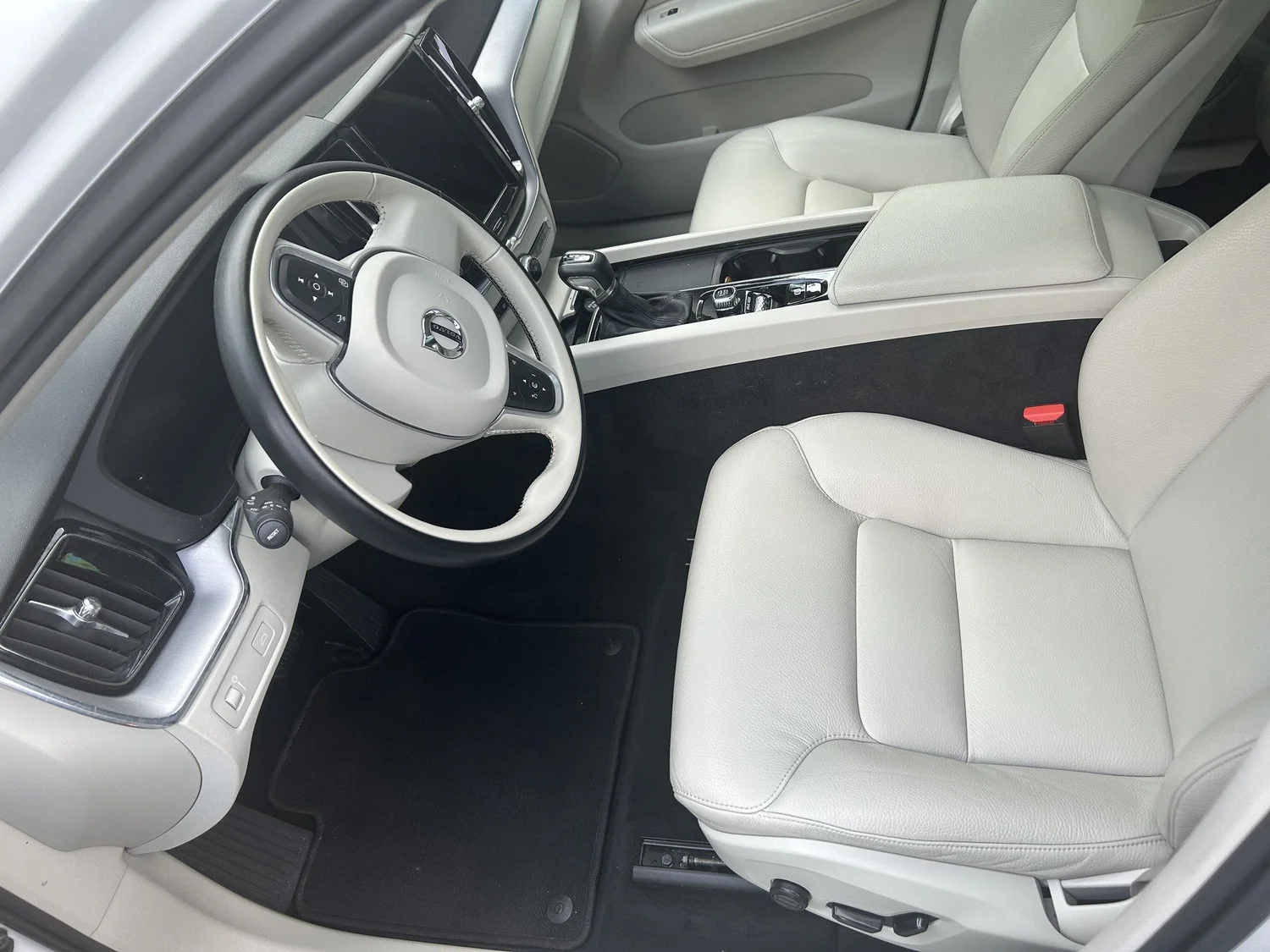
Why Odor Removal Starts
With Finding the Source
As with stain removal, we want to be upfront: not every odor can be completely eliminated — particularly when it has been present for a long time or has penetrated deeply into foam, ventilation, or structural components. But significant improvement is achievable in most situations, and full elimination is realistic in many others.
Hidden Sources Are Common
Odors often originate in places that aren't immediately obvious. Liquid spills that appear to have dried on the surface may still be saturating the carpet padding or seat foam beneath. Pet biological accidents can soak through carpet to the subfloor. Mildew can develop inside seat foam from a moisture source that was never properly dried.
Treating only what's visible on the surface will not eliminate an odor that has penetrated deeper into the material. Locating the actual source is the first step in any effective treatment — and it's why an evaluation matters before any work begins.
Treatment Must Match the Source
Biological odors require enzyme-based treatment that breaks down the organic material causing the smell. Mildew requires drying and antifungal treatment. Smoke requires surface decontamination across multiple material types — fabric, plastic, headliner, and ventilation. General stale odor may respond to a thorough interior cleaning alone.
Using a one-size-fits-all spray on any of these situations produces temporary results at best. Matching the treatment to the specific odor source is what determines whether results actually hold — and what separates professional treatment from covering the problem with fragrance.
Odor Types We Treat
The type of odor significantly affects the process required and the results that are realistic. Each situation is evaluated individually — because the difference between a mild food smell and long-term smoke saturation is enormous in terms of treatment approach and expected outcome.
Pet Odor
Pet odor is one of the most common interior situations we address. It typically comes from dander, fur, saliva, and biological accidents embedded in carpets, seat fabric, and cargo area liners. Enzyme-based treatment breaks down the biological material responsible for the smell.
Severity and how long the odor has been building determine how many treatment steps are needed and what results are realistic. Vehicles with years of embedded pet odor require more intensive treatment than recent accumulation.
Book EvaluationSmoke Odor
Smoke is among the most difficult interior odors to fully eliminate because smoke particles penetrate nearly every surface in the cabin — headliners, seat foam, carpet backing, ventilation ducts, and hard plastic surfaces. Meaningful improvement is often achievable, particularly for occasional or light smoking situations.
Vehicles with heavy, long-term smoke saturation may see significant improvement without full elimination. We'll assess the saturation level honestly and tell you what's realistic before recommending a treatment plan.
Mildew & Moisture Odor
Mildew smell typically comes from moisture trapped in seat foam, carpet padding, or floor mat backing — from a drink spill, a wet umbrella, a window left open during rain, or a sunroof leak that was never fully dried out. Treating mildew odor requires addressing both the odor itself and the underlying moisture source.
If an ongoing leak or condensation issue is causing the mildew, addressing the moisture source is necessary — otherwise the odor will return after treatment.
Book EvaluationFood & Drink Odor
Food and drink left in a vehicle — especially in warm months — can produce persistent odors even after visible residue is removed. Spills that soaked into carpet padding or seat foam beneath the surface are a common hidden source that standard cleaning doesn't reach.
Food odors typically respond well to professional treatment when the source material is properly removed and the affected area is treated directly rather than just surface-cleaned.
Biological Odors
Vomit, urine, and similar biological sources create some of the strongest and most persistent interior odors. Enzyme-based treatments are necessary to break down the organic material at the source — masking won't work and cleaning alone often doesn't fully address what's soaked into padding and foam.
These situations frequently benefit from combining odor removal with stain removal when visible residue is also present.
Book EvaluationGeneral Stale or Musty Smell
Some vehicles develop a general stale, musty, or lived-in smell over time from accumulated body oils, dust, and everyday use rather than a single identifiable source. A thorough Signature Interior Reset often resolves mild staleness on its own.
Persistent musty odors after a deep clean typically indicate a moisture or mildew source requiring more targeted treatment — something the evaluation helps identify before deciding on an approach.
What a Fresh, Clean Interior
Looks and Feels Like
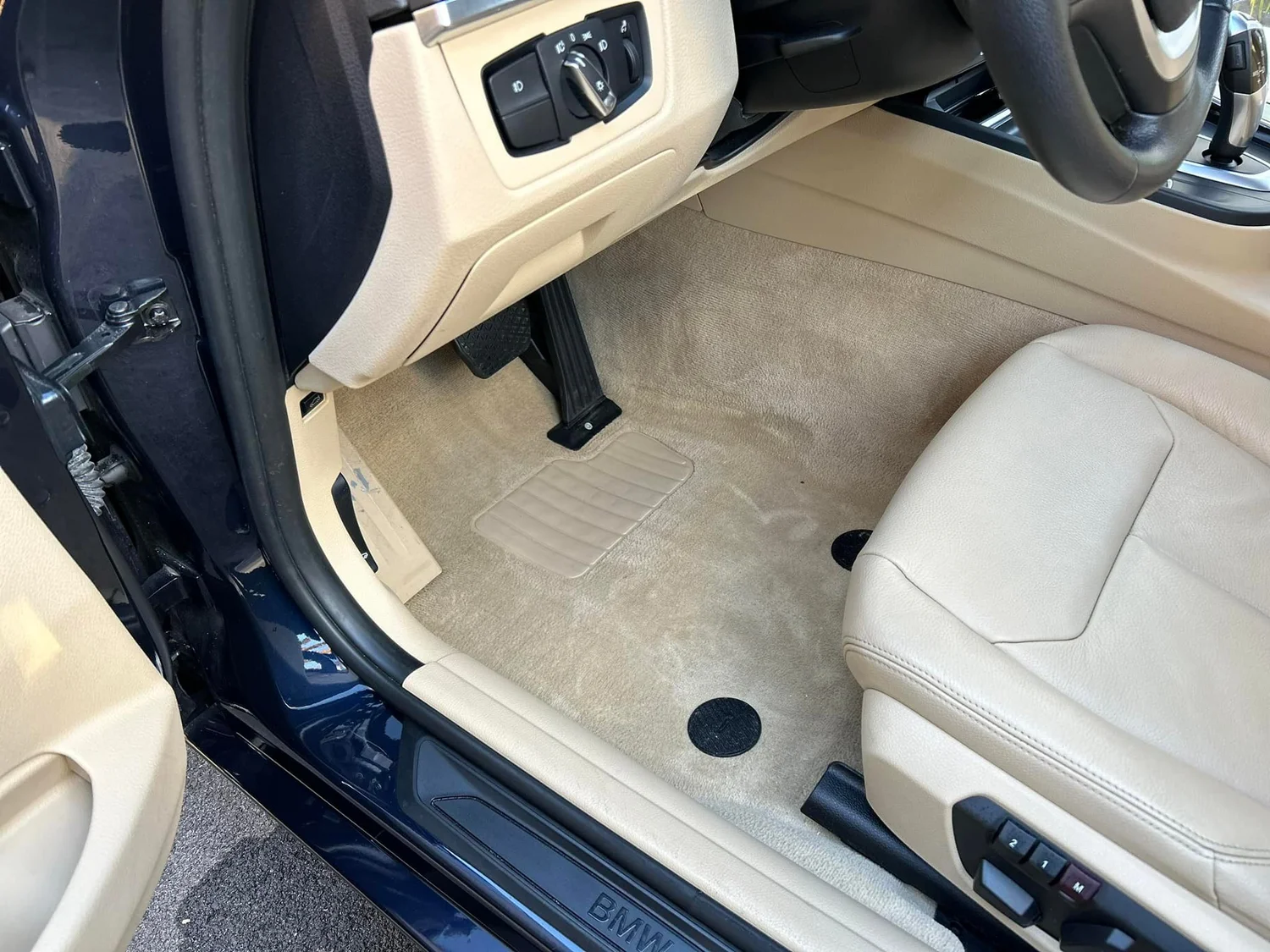
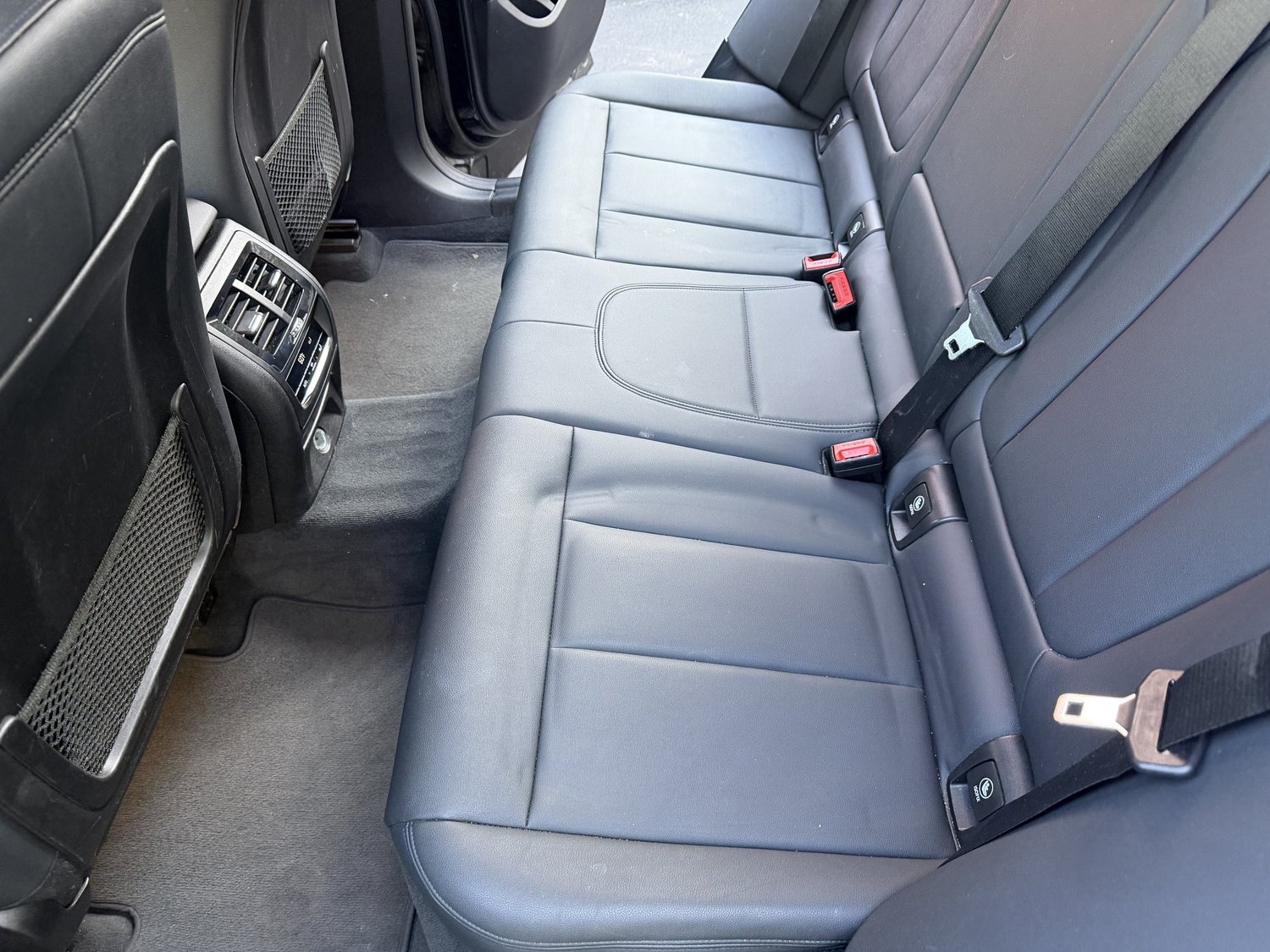
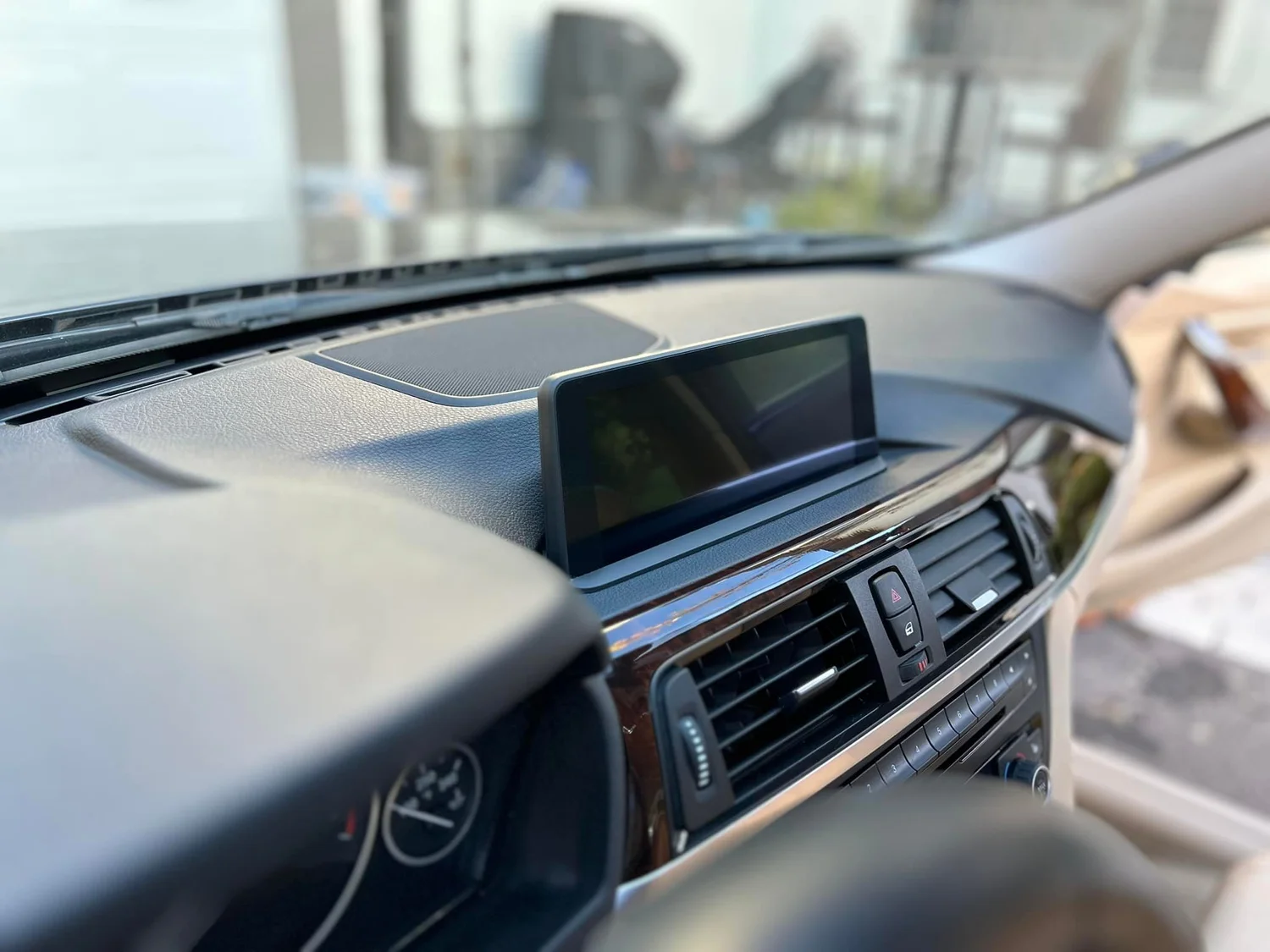
Odor removal is ultimately about restoring the interior to a condition you actually want to be in. The result isn't just the absence of a smell — it's a cabin that's been properly cleaned, treated, and reset to a standard that's genuinely comfortable.
Why Cleaning Comes
Before Odor Treatment
Odor removal works best when the interior has first been thoroughly cleaned. Surface-level dirt, food residue, pet hair, and debris can contribute to odor on their own — and can also mask the specific source you're trying to treat. Applying odor treatment products over a dirty interior reduces their effectiveness and makes it harder to evaluate whether the treatment is actually working.
For vehicles with significant interior buildup, the Signature Interior Reset is typically recommended before targeted odor treatment. In many cases, a thorough deep clean alone improves or eliminates mild odors entirely — and gives us a cleaner baseline to assess what dedicated odor treatment is still needed afterward.
For vehicles already in reasonably clean condition with a specific, identifiable odor source, targeted odor removal can be performed without a full interior reset. If the odor is also accompanied by visible staining, stain removal is typically recommended at the same time for the most complete result.
Request an EvaluationWhy Interior Odors Are
Common in Westchester Vehicles
Westchester County's driving conditions, four-season climate, and family-oriented communities create consistent interior odor challenges. These are the situations we most commonly see.
Family Vehicle Use
Kids, youth sports, camp, snacks, drinks, wet gear, and car seats create ongoing interior odor challenges in the family SUVs and minivans common throughout communities like Scarsdale, Chappaqua, Rye, and Bronxville.
Pet Transport
Dogs are frequent passengers in Westchester vehicles — trips to local parks, hiking trails, beaches, and vet offices. Regular dog transport is one of the primary causes of embedded pet odor in carpets and cargo areas throughout the county.
Northeast Moisture & Humidity
Wet umbrellas, snow boots, damp sports equipment, and rainy commutes throughout fall and winter introduce persistent moisture into vehicle interiors — creating conditions where mildew odor can develop, particularly in vehicles with limited ventilation.
Daily Commuter Use
Coffee, food, and daily commuter habits across I-95, the Hutchinson River Parkway, and the Cross County Parkway accumulate over time in vehicles that spend significant hours in daily use throughout the week.
Summer Heat Amplification
Vehicles parked in direct sun throughout Westchester summers can reach extremely high interior temperatures. Heat accelerates the breakdown of biological material and intensifies odors that might be mild or barely noticeable during cooler months.
Purchased or Inherited Vehicles
Vehicles passed down within a family, purchased used, or coming off a lease often carry odors from previous use. These situations frequently require a full interior reset followed by targeted odor treatment — addressing both the surface condition and the specific odor source.
Frequently Asked About
Odor Removal
Not Sure What's Causing
the Smell? Start Here.
The best way to understand what's possible for your vehicle is to have it evaluated. We'll identify the odor source, explain what treatment is appropriate, and give you a realistic picture of what results to expect — before any work begins and before any money changes hands. No spraying something over the problem and calling it done. Serving New Rochelle, Scarsdale, Pelham, Bronxville, Rye, Larchmont, Mamaroneck, Chappaqua, Port Chester, Rye Brook, Greenwich, Stamford, and throughout Westchester County and Fairfield County.