

Interior Fabric
Protection
Fabric protection helps your interior stay cleaner, easier to maintain, and more forgiving in real daily-use situations — without the overpromising that comes with most dealership upsells.
As part of our full car detailing service, when properly applied to clean fabric, it slows down absorption, makes spills easier to clean before they set, and helps cloth seats and carpets hold up better through Westchester and Fairfield County's four seasons of daily use.
How Fabric Protection
Works
Cloth seats and carpets absorb. That's what fabric naturally does — and it's why interiors become stained, dingy, and difficult to clean over time. Coffee, juice, soda, sweat, rainwater, muddy paws, winter slush, food grease, and everyday dirt slowly work their way into the fibers with every use.
Fabric protection creates a barrier at the fiber level that slows down that absorption process. Instead of liquids instantly soaking deep into the material, they're more likely to bead up on the surface long enough to be wiped up before becoming permanent. That's the real benefit — not perfection, but time. The window between a spill happening and a stain setting is significantly wider on protected fabric.
Once contaminants fully soak in, stains and odors become substantially harder to remove — often requiring extraction, targeted chemistry, and significant time to address. Protection reduces how often you end up in that situation in the first place.
Book Fabric Protection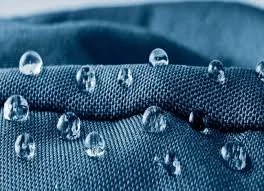
What Fabric Protection Is —
And What It Isn't
A lot of people are skeptical about fabric protection because they've seen cheap dealership upsells or products that overpromise unrealistic results. That skepticism is fair. Here's the honest breakdown.
What It Is
Fabric protection reduces absorption speed, slows staining, improves cleanability, and helps cloth materials stay easier to maintain over time. It makes everyday messes more manageable and significantly reduces how often spills become permanent stains.
What It Isn't
It is not permanent, stain-proof, or maintenance-free. If spills sit too long, heavy contamination builds up repeatedly, or the fabric goes too long without cleaning, staining can still occur. No fabric protection product eliminates that reality.
Why Some People Think It Doesn't Work
Most fabric protection skepticism comes from one of three situations: it was applied to dirty fabric and trapped contamination underneath, it was applied hastily during dealership prep without proper cleaning, or it was never maintained properly afterward. Proper prep and application make the difference.
Why Proper Prep Matters
Protection bonds to clean fibers. When fabric is properly cleaned, extracted, and fully dry before application, the coating has clean material to bond to — and it performs significantly better and longer than a quick spray-and-go application over a contaminated surface.
Fabric Protection
in Action
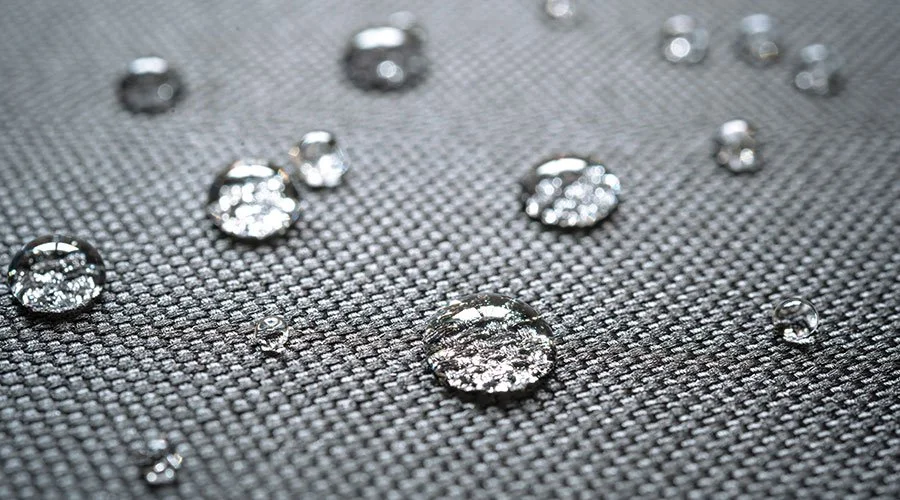
The hydrophobic behavior of properly applied fabric protection is visible immediately — liquids bead on the surface rather than absorbing into the fibers. This is the window of time where a spill can be blotted up rather than soaking in and becoming a stain.
The Fabric Reset
Process
Protection is only as good as the preparation underneath it. Our Fabric Reset process combines proper deep cleaning with professional-grade protection applied to clean, prepared fabric — not rushed over a dirty surface.
Fabric Evaluation
We inspect the current condition of the seats, carpets, and mats to identify staining, heavy wear, odor issues, or contamination that may require deeper treatment before protection is applied. Not every fabric is in the same condition, and the right preparation depends on what's actually there.
Deep Cleaning & Extraction
Cloth seats, carpets, and floor mats are cleaned and extracted to remove embedded dirt, residue, oils, and buildup. This step is critical — protection applied over contaminated fabric traps that contamination underneath and performs poorly. The fabric needs to be genuinely clean and properly dried before anything protective goes on.
Stain & Odor Treatment (If Needed)
Any existing stains or odors are addressed before protection is applied. Sealing a stain under a protective coating doesn't fix it — it makes it harder to treat later. Problem areas are treated first so the protection is going onto fabric that's genuinely in its best condition.
Professional-Grade Protection Application
Once the fabric is fully clean and dry, professional-grade fabric protection is applied evenly across all treated surfaces. The product penetrates and bonds to the fabric fibers, creating the hydrophobic barrier that slows down liquid absorption and makes cleanup more effective during real-world use.
Who Benefits Most From
Fabric Protection
Fabric protection makes the biggest difference in vehicles that see constant traffic, daily commuting, weather exposure, spills, pets, or kids. The more a vehicle is actually used, the more noticeable the benefits become.
Families & Parents
Drinks, snacks, school drop-offs, sports equipment, car seats, and daily messes make family vehicles some of the hardest-used interiors on the road. Protection significantly reduces how many of those everyday incidents turn into permanent stains.
Dog & Pet Owners
Muddy paws, fur, moisture from outdoor activity, and the general wear of regularly transporting pets create consistent interior challenges. Protected fabric is easier to clean after pet use and holds up better through repeated exposure to moisture and dirt.
Daily Commuters
Vehicles spending hours on Westchester roads every week accumulate interior wear faster than occasionally driven cars. Commuters who eat or drink in the vehicle, bring work bags and equipment, or deal with weather exposure on entry benefit from the ongoing protection.
Cloth Interior Vehicles
Cloth seats and carpets stain more easily and are harder to clean than leather. Fabric protection is particularly valuable for cloth interiors because it directly addresses the material's primary vulnerability — absorption — before it causes permanent damage.
Newer Vehicles
Protecting a new vehicle's interior before the first spill happens is significantly easier than restoring one after years of unprotected use. Early protection keeps the interior in better condition long-term and reduces the need for more aggressive cleaning later.
Vehicles You're Keeping Long-Term
If you're planning to hold onto a vehicle for several more years, protecting the interior now — and maintaining it properly — preserves condition, appearance, and resale value meaningfully better than leaving it unprotected through years of daily use.
Where Fabric Protection
Helps Most
Protection isn't about preventing every possible scenario — it's about making the situations that actually happen in daily use more manageable. Here's where clients most often notice the difference.
Coffee & Drink Spills
Protected fabric gives liquids less time to soak in, making cleanup significantly faster before staining sets into the fibers.
Winter Salt & Slush
Westchester winters bring slush, snow, and salt into carpets with every entry. Protection helps reduce how deeply that contamination absorbs each time.
Pet Hair & Mud
Dirt and debris are often easier to remove from protected fabric surfaces during routine maintenance — reducing how much effort each cleanup requires.
Everyday Wear
Protection helps fabrics resist the gradual dingy appearance that develops from repeated contact, oils, and low-level contamination over months of use.
How Long Does Fabric
Protection Last?
Most professional-grade fabric protection lasts up to 12 months depending on vehicle usage, climate, cleaning habits, and the amount of traffic the interior sees. Vehicles with kids, pets, heavy commuting, or frequent use may need maintenance sooner than lightly used vehicles.
Like paint protection on the exterior, fabric protection gradually wears down over time through friction, repeated cleaning, moisture exposure, and everyday use. It's not a one-time permanent solution — it's a layer of defense that needs to be renewed as part of an ongoing interior maintenance approach.
The goal is not to permanently freeze the fabric in perfect condition. The goal is to slow down wear, reduce absorption, and make cleanup easier during the months after application — so the interior stays cleaner longer and requires less aggressive treatment to maintain.
Why Fabric Protection Makes
Sense in Westchester
Vehicles in Westchester County deal with four genuine seasons, daily commuting, road salt, moisture, and constant use throughout the year. Each season creates conditions that challenge unprotected cloth interiors in specific ways.
Winter Salt & Slush
Moisture and salt buildup soak into carpets and floor mats quickly during New York winters. Every entry tracking in slush, salt, and wet footwear exposes unprotected fabric to a form of contamination that sets quickly and becomes increasingly difficult to remove as the season goes on.
Rain & Humidity
Wet clothing, umbrellas, shoes, and changing weather constantly introduce moisture into vehicle interiors throughout spring and fall. Protected fabric handles that repeated moisture exposure better and dries more cleanly without holding onto the residue that comes in with wet gear.
Family & Daily Traffic
Daily school drop-offs, sports, commuting, errands, and family life create consistent wear on cloth interiors. The cumulative impact of that daily use on unprotected fabric is significant over a full year — protection slows that accumulation meaningfully.
Summer Heat & UV
Summer heat intensifies odors from spills and pet use while also accelerating the breakdown of unprotected fabrics. UV exposure through windows causes fading and degradation — particularly on seat surfaces that see direct sun through side and rear windows.
Outdoor Activity
Westchester's parks, trails, sports fields, and weekend activities mean vehicles regularly carry muddy boots, wet gear, athletic equipment, and outdoor contamination. Protected interiors handle that kind of periodic heavy use more effectively.
Long-Term Interior Preservation
Protected interiors generally age better and are easier to maintain over multi-year ownership. The cumulative effect of annual protection and proper maintenance keeps cloth interiors in meaningfully better condition compared to unprotected vehicles driven the same way.
Services to Pair With
Fabric Protection
Fabric protection is most effective when the interior has already been properly cleaned and reset. These are the services it pairs with most naturally.
Signature Interior Reset
The right starting point for vehicles with heavier buildup, staining, pet hair, or odor concerns. The reset properly cleans and prepares the fabric before protection is applied — so the coating is going onto genuinely clean material, not layered over existing contamination.
Book Signature Interior ResetInterior Essentials
A great pairing for vehicles already in decent condition that want preventative protection applied after a proper professional clean. Interior Essentials brings the cabin up to a clean standard, and fabric protection keeps it there longer.
Book Interior EssentialsStain & Odor Treatment
Recommended when spills, old stains, or odor issues need to be properly corrected before the fabric is protected. Sealing a stain or odor source under protection makes it harder to treat later — addressing it first produces a better result from the protection and a genuinely clean interior underneath it.
Ask About Stain TreatmentFrequently Asked About
Fabric Protection
Ready to Protect Your
Interior the Right Way?
Fabric protection works best when combined with proper interior cleaning, realistic expectations, and consistent maintenance afterward. If you want your cloth seats and carpets to stay cleaner, clean up easier, and handle daily life better — the Fabric Reset is designed for exactly that. Serving New Rochelle, Scarsdale, Bronxville, Pelham, Larchmont, Mamaroneck, Rye, Chappaqua, Greenwich, Stamford, and throughout Westchester County and Fairfield County.