

DIY vs
Professional Detailing
The honest answer isn't always "hire a professional." Here's a straight comparison of what DIY detailing can accomplish, where it consistently falls short, and how to decide what makes sense for your vehicle.
Most Westchester County vehicle owners end up somewhere in the middle — maintaining between professional visits, or doing basic cleaning themselves while relying on professionals for the deeper work. That's often the right call.
Both Have a Place —
It Depends What You Need
DIY detailing isn't a bad idea. Plenty of vehicle owners do it well, enjoy it, and get results they're genuinely happy with. This isn't a page designed to convince you that professional detailing is always the right answer — it isn't.
The straightforward version: DIY works well for routine maintenance cleaning on a vehicle already in reasonable condition. Professional detailing works better for decontamination, paint correction, ceramic coating installation, significant interior restoration, and anything that requires equipment or technique that takes years to develop.
The question isn't really DIY vs. professional — it's which tasks fall within what DIY can realistically accomplish, and which ones don't.
The question isn't really DIY vs. professional. It's which tasks fall within what DIY can realistically accomplish — and which ones don't.
What DIY Detailing Can
Actually Accomplish Well
Done consistently and correctly, DIY cleaning is a legitimate part of vehicle maintenance. Here's where it genuinely delivers — and where it's the appropriate choice even for owners who also use professional services.
Routine Maintenance Washing
A proper two-bucket hand wash using quality microfiber and pH-neutral shampoo is one of the safest ways to maintain a vehicle between professional services. Done correctly, it introduces fewer swirl marks than most automated washes and keeps surface contamination from accumulating.
Basic Interior Upkeep
Regular vacuuming, wiping down hard surfaces with appropriate products, and addressing spills promptly are all tasks most owners handle effectively at home. Consistent interior maintenance significantly reduces how much work is needed when a professional visit comes around.
Prompt Contamination Removal
Addressing bird droppings, tree sap, and bug residue promptly — before they etch or stain — is something any owner can do with the right product and a clean microfiber. Waiting for a professional visit isn't always realistic, and DIY prompt removal prevents the damage that delay causes.
Short-Term Wax Application
Consumer-grade carnauba waxes and spray sealants can be applied at home by most owners with reasonable results. They're not as durable or as thoroughly bonded as professionally applied protection, but they provide meaningful short-term surface protection for owners who enjoy the process.
Glass and Mirror Cleaning
Cleaning interior and exterior glass with the right automotive glass cleaner and a clean microfiber is a task most owners do well. Clear glass improves driving visibility immediately and is straightforward maintenance for any owner between professional services.
Wheel Maintenance Between Visits
Applying tire dressing and wiping down wheels between professional cleanings is manageable at home. It doesn't replace thorough professional wheel decontamination, but it maintains appearance and prevents light surface buildup from accumulating between visits.
Where DIY Detailing
Consistently Falls Short
The limitations of DIY detailing aren't about effort or willingness. They're about equipment access, product quality, and developed technique. Here's where the gap between DIY and professional results is most pronounced — and where DIY attempts most commonly cause more harm than they fix.
Consumer iron removers and clay bars exist — but professional-grade decontamination products are significantly more effective, and the technique required to clay an entire vehicle safely without introducing marring takes practice to develop. A dropped clay bar on a driveway that gets picked up and used again is a reliable way to introduce deep scratches across an entire panel.
Professional paint decontamination uses industrial-strength chemistry, the right sequence of steps, and properly lubricated mechanical decontamination to remove bonded contamination thoroughly and safely. The result is meaningfully different from what most owners can replicate at home — particularly on vehicles with heavy iron fallout from Westchester's rail corridors and high-traffic parkways.
Book Signature Exterior ResetThis is the area where DIY attempts most commonly cause more damage than they fix. Machine polishers are powerful tools that remove clear coat material. In the hands of someone developing technique, the risks include burning through clear coat on edges and body lines, introducing new swirl marks from improper pad and product combinations, and producing holograms — a distinct pattern left by improper machine technique.
Consumer-grade dual-action polishers are safer than professional rotary tools, but they still require significant technique to use effectively. Correcting swirl marks properly requires understanding pad types, compound aggressiveness, machine speed, and how to read how a specific paint is responding — knowledge that takes real experience on real vehicles to develop.
Consumer ceramic coatings exist and some provide reasonable results. But professional-grade coating products are significantly more durable, and the installation process requires conditions and technique that are difficult to replicate at home. Ceramic coating must be applied in a controlled, dust-free environment on a properly decontaminated and corrected surface, with precise application technique to avoid high spots — areas where the coating cures unevenly and creates a hazy, difficult-to-remove patch.
High spots in a ceramic coating require machine polishing to remove — which means a failed DIY ceramic coating installation can result in needing professional correction to fix the application before a proper coating can be installed. Learn more about ceramic coating.
Book Ceramic CoatingVacuuming and surface wiping are within DIY range. Thorough carpet and upholstery extraction, leather deep cleaning and conditioning, stain treatment, odor elimination, and steam cleaning of vents and crevices require equipment that most households don't own and technique that takes time to develop. The difference between a home vacuum and a professional hot water extractor is dramatic — both in what gets removed and how thoroughly the surface is dried afterward.
Faded exterior plastic trim can be temporarily improved with consumer dressings, but genuinely restoring significantly faded trim requires dye-infused professional products applied correctly. Heat gun methods — sometimes seen in DIY tutorials — pull dye from within the plastic rather than restoring it, causing faster re-fading and cracking over time. Professional restoration using the right products produces results that last significantly longer than any consumer approach. Learn about trim restoration.
The Equipment Gap Between
DIY and Professional
Professional detailing doesn't just use better products — it uses tools that aren't practical for most owners to own or learn to use effectively. That gap affects results significantly in the areas where it matters most.
Consumer Tools & Products
Consumer wash mitts, microfiber towels, and pH-neutral shampoo for washing. Spray detailers, consumer waxes, and spray sealants for protection. Consumer-grade dual-action polishers for paint correction attempts. Standard household vacuums for interior cleaning. Consumer iron removers and clay bars for decontamination.
These products can produce good results for basic maintenance tasks. The limitation is that they're designed for ease of use by non-specialists — which means they're typically lower strength, lower durability, and produce less thorough results than professional-grade equivalents used with proper technique.
Professional-Grade Equipment
Professional-grade iron removers and clay systems that remove contamination more thoroughly. Industrial hot water extractors for carpet and upholstery that pull embedded debris and dry surfaces properly. Professional steam equipment for sanitizing without harsh chemicals.
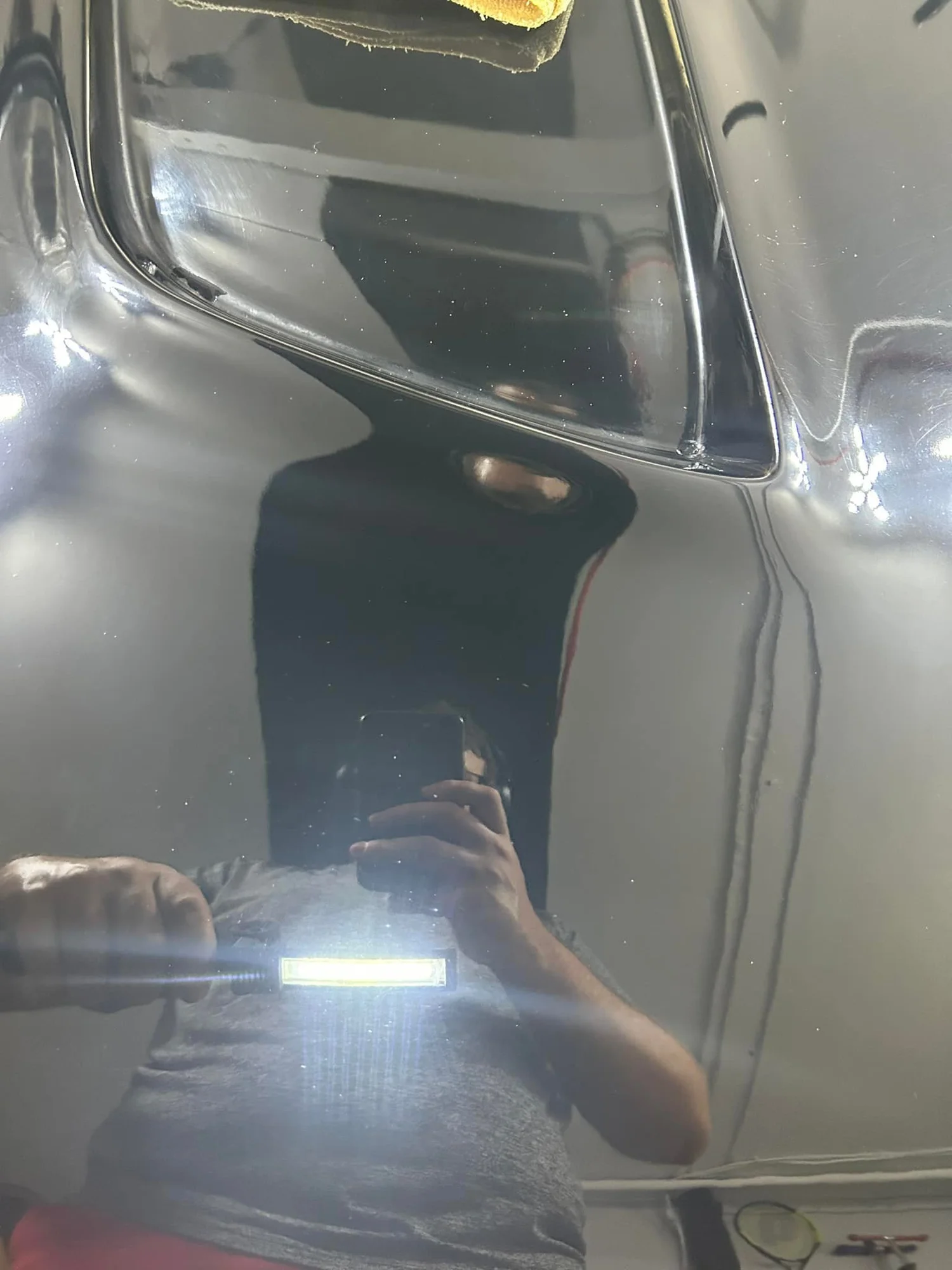
Professional machine polishers with a range of pad and compound combinations calibrated to specific paint types and defect levels. Professional-grade ceramic coating products with significantly higher durability than consumer alternatives. Proper LED inspection lighting that reveals defects invisible in normal conditions.
The investment required to assemble professional-grade equipment for a single vehicle far exceeds the cost of a professional service — which is why even enthusiasts who enjoy detailing often draw the line at certain services.
Results That Require the
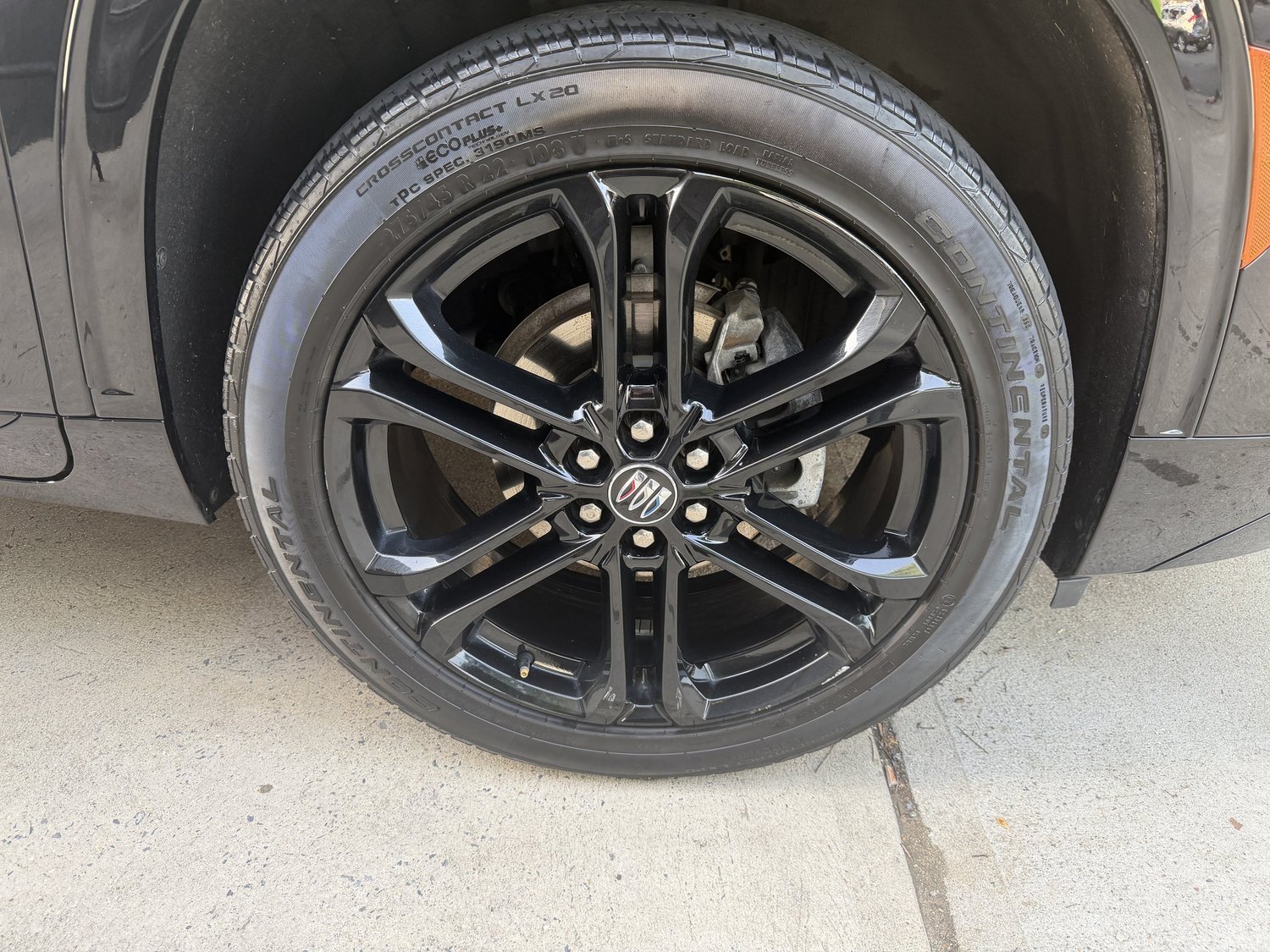
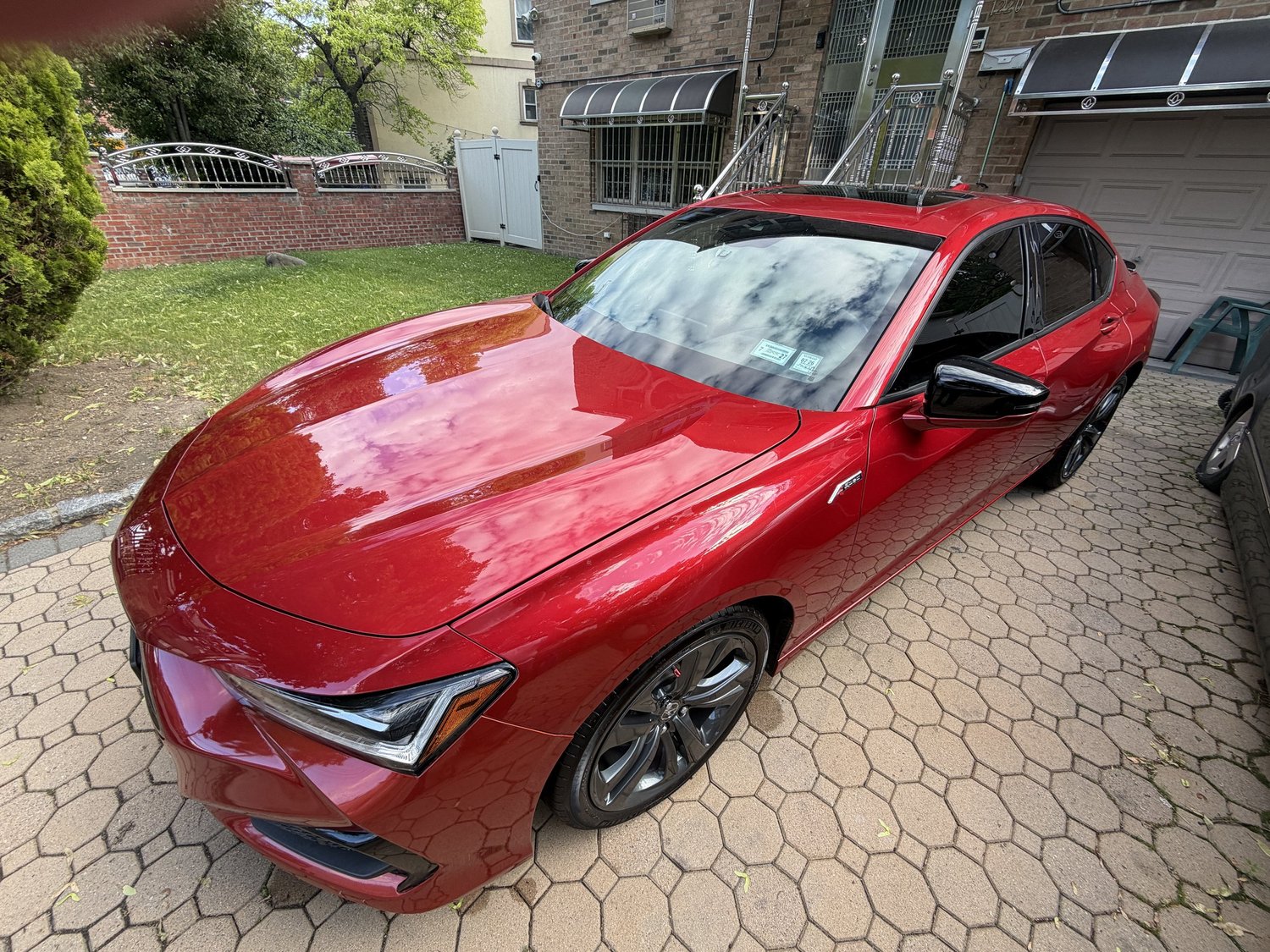
Right Tools and Technique
The Time and Logistics Reality
for Westchester County Drivers
Beyond skill and equipment, there's a practical consideration that matters more for daily drivers than for enthusiasts with dedicated time: how long does this actually take, and when is that time available?
A proper DIY exterior detail — two-bucket wash, drying, iron decontamination, clay, and wax application — takes most owners three to five hours when done correctly. A thorough DIY interior cleaning adds another two to three hours. Done well, a full DIY detail is most of a Saturday.
For daily commuters in Scarsdale, Pelham, Bronxville, Rye, and Mamaroneck who spend hours on Westchester's parkways every week, that Saturday time is genuinely limited. It competes with family obligations, weekend activities, and basic recovery from full weeks.
The cost of DIY isn't just products and equipment. It's also the time — and for most daily drivers, that time has real value.
This is part of why mobile professional detailing resonates with Westchester County families and commuters specifically. The vehicle gets serviced without the owner losing a half-day to do it — and the work that gets done is at a level DIY can't replicate for the tasks that require professional equipment and technique.
When DIY Makes Sense —
and When Professional Is the Clear Choice
The right answer depends on what you're trying to accomplish, not on a general rule. Here's the straightforward breakdown.
DIY Makes Sense When:
- You enjoy the process and find it satisfying. Vehicle care as a hobby is completely legitimate — and enthusiasts who invest in proper technique and equipment often produce excellent results.
- You need routine maintenance washing between professional visits. A well-executed two-bucket hand wash is genuinely better for paint than most automated washes.
- You need to address a bird dropping, tree sap spot, or bug residue promptly. Prompt removal with the right product prevents damage that delay would cause.
- You're maintaining a ceramic-coated vehicle between professional decontamination visits. Proper hand washing technique is the recommended maintenance method for coated vehicles.
- Your budget is limited and the vehicle is in maintenance condition — no significant contamination, no correction needed, no protection work required.
Professional Is the Clear Choice When:
- The vehicle needs paint decontamination. Removing bonded iron fallout, tar, or embedded contamination safely and thoroughly requires professional-grade chemistry and technique.
- Paint correction is needed. Machine polishing without proper training risks making paint worse — not better. Learn about paint correction.
- You're considering a ceramic coating. The preparation required and consequences of improper application make professional installation the right choice for almost all vehicle owners. Learn about ceramic coating.
- The interior needs genuine deep cleaning — embedded pet hair, staining, odor treatment, or leather restoration requiring extraction equipment and professional products.
- The vehicle has been neglected and needs a reset — significant contamination, faded trim, dull paint, or heavy buildup beyond routine maintenance. Learn about Signature Exterior Reset.
- Time is the limiting factor. Mobile professional detailing gets done consistently — rather than getting pushed to next weekend indefinitely.
The Practical Middle Ground
That Actually Works
The DIY vs. professional question rarely resolves to one extreme. The approach that works best for most daily drivers combines both — DIY for the tasks it handles well, professional for the tasks requiring equipment and expertise to do properly.
DIY between professional visits: Routine hand washing keeps contamination from accumulating to the point where it bonds. For vehicles on a Monthly Maintenance program, the professional visit handles thorough cleaning, wheel decontamination, and glass maintenance — while light owner washing in between keeps the vehicle presentable week to week.
Professional for the reset and protection: Once or twice a year, a thorough professional exterior detail with decontamination brings the paint back to a properly clean, protected state. This is the work DIY can't replicate at the same level.
Professional for correction and coating: Paint correction, ceramic coating, and trim restoration stay firmly in professional territory — not because DIY is impossible, but because the risk-reward ratio doesn't favor the vehicle's long-term condition.
View Our ServicesDIY vs Professional Detailing —
Frequently Asked
When You're Ready for the
Professional Part — We Come to You
Tedrow's Mobile Detailing serves vehicle owners throughout Westchester County — New Rochelle, Scarsdale, Pelham, Bronxville, Rye, Mamaroneck, Larchmont, Chappaqua, Port Chester, and Rye Brook. No drop-off, no waiting room, no lost Saturday. We come to your home or workplace and handle the work that's genuinely worth doing professionally.