

What Causes
Paint Swirl Marks?
You washed your car, parked it in the sun, and noticed what looks like a spiderweb pattern all over the paint. You're not imagining it — and your car isn't ruined. Here's exactly what's happening and what can be done about it.
Swirl marks are one of the most common paint issues on everyday vehicles. Most of them are fixable. All of them are preventable going forward.
What Are Paint
Swirl Marks?
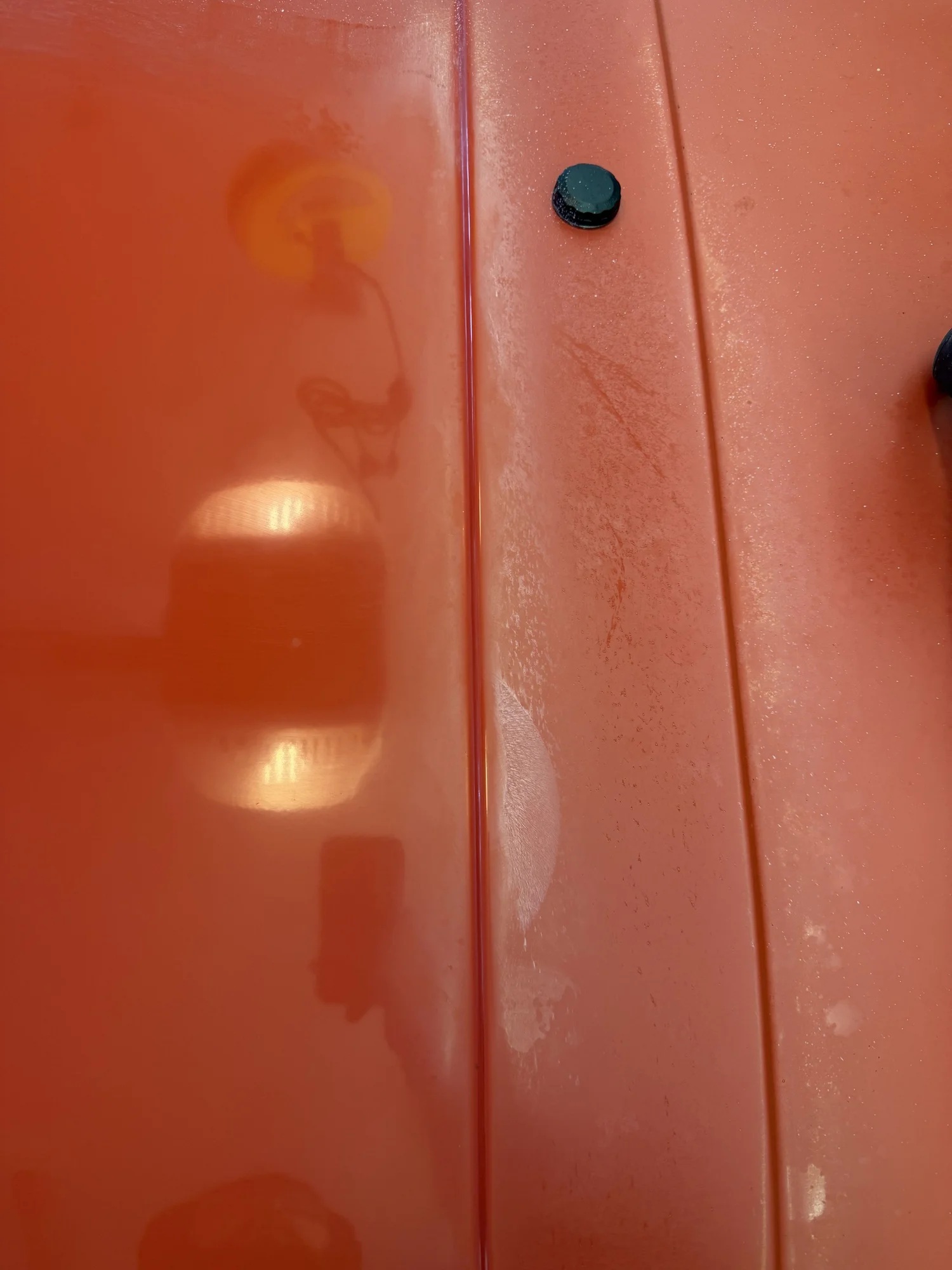
Swirl marks are fine, circular scratches in a vehicle's clear coat — the transparent protective layer that sits on top of the actual color. They're not scratches in the traditional sense that you'd feel with your fingernail, and they're not damage to the paint itself. They live in the outermost layer of the finish, which is exactly what makes most of them fixable.
The reason they look like a spiderweb pattern rather than random scratches is how they're created. Most swirl marks come from circular or rotational contact — wash mitt movements, buffing pads, wipers on dry glass, or a towel rubbed across the hood. That circular motion leaves arcing marks that catch light from multiple angles simultaneously, which is why the pattern becomes so visible in direct sunlight.
On dark-colored vehicles — black, dark blue, dark gray — swirl marks are dramatically more visible because the contrast between scratch and surrounding paint is highest. If you drive a dark-colored vehicle and the paint always looks dull no matter how recently you washed it, swirl marks are almost certainly the reason. The good news: the vast majority are clear coat-level damage only — which means they can often be significantly reduced or removed through professional paint correction.
Swirl marks are not a sign of cheap paint or a defective vehicle. They're an almost universal result of normal car care over time — and one of the most common issues professional detailers address.
What Actually Causes
Paint Swirl Marks
Swirl marks don't come from a single incident — they accumulate gradually from the routine things most vehicle owners do without thinking about it. Here are the most common causes on everyday vehicles throughout Westchester County.
Automatic Car Washes
Brush-style tunnel car washes are one of the leading causes of swirl marks on daily drivers. The spinning brushes and cloth strips contact paint at speed while dragging trapped dirt particles across the surface. Even "soft cloth" automated washes can introduce fine scratches over time, particularly if the brushes aren't cleaned frequently between vehicles.
Touchless washes don't use physical contact and are significantly gentler — but compensate with stronger chemicals and high-pressure water, which has its own long-term effects on paint protection products.
Improper Hand Washing
Hand washing with the wrong technique or products is one of the most consistent sources of swirl marks — particularly for people who hand wash regularly and think they're being careful. Using a single bucket means the mitt picks up dirt from the paint, goes back into the bucket, and carries that dirt back to the paint on the next pass.
Washing in circular motions rather than straight lines amplifies the swirling pattern. Using a regular household sponge instead of a proper wash mitt concentrates pressure into a small area and drags particles across the clear coat with each wipe.
Dry Wiping
Wiping dust or light dirt off a dry vehicle — even with a soft microfiber cloth — drags particles across the clear coat surface. The particles act like fine sandpaper between the cloth and the paint.
This is extremely common in spring when pollen settles on every vehicle in Scarsdale, Bronxville, Chappaqua, and Rye within hours of washing. The impulse to wipe the pollen off rather than rinsing first is understandable — and it's a reliable way to introduce new swirl marks with every wipe.
Low-Quality Drying Towels
Not all microfiber is created equal. Low-quality microfiber drying towels with coarse fibers, poor construction, or towels washed with fabric softener lose their paint-safe characteristics and can scratch clear coat during drying. The same applies to bath towels, chamois, or paper towels used on paint surfaces.
A high-quality microfiber drying towel maintained properly makes a genuine, measurable difference compared to budget alternatives — it's one of those small investments that directly affects long-term paint condition.
Drive-Through Detail Shops
Many quick-service detail shops use high-speed rotary buffers with aggressive pads worked by staff moving quickly through a high volume of vehicles. Improper machine polisher technique — too much pressure, wrong pad type, moving too fast — can introduce swirl marks rather than remove them. This is sometimes called "buffer trails" or "holograms" in the paint.
Environmental Contact
Dust and debris settling on paint, tree branches making light contact, canvas or nylon car covers dragged across the surface, and even car cover movement in wind can all introduce fine scratches over time. Vehicles parked outdoors year-round throughout Westchester County accumulate more of this type of exposure than garaged vehicles.
How Bad Are Your Swirl Marks?
A Simple Assessment
Swirl marks exist on a spectrum from barely noticeable to quite severe. Where your vehicle falls determines what can realistically be done about them — and what the result will look like after correction.
Light Surface Swirls
Only visible in direct sunlight or under strong artificial light. Paint looks good in most conditions. Typically the result of a few years of normal washing on a well-maintained vehicle.
Single-stage paint correction addresses these effectively. Results are typically dramatic on dark-colored vehicles and clearly noticeable on lighter colors.
Book Exterior ResetVisible in Most Light
Swirl marks visible in overcast light and from a normal viewing distance. Paint looks dull or hazy even after washing. Common on vehicles that have been through many tunnel washes or have years of improper hand washing.
Single-stage correction will produce significant improvement. The paint may not reach showroom condition, but the difference will be substantial and visible in all lighting conditions.
Book Exterior ResetHeavy Defects & Oxidation
Paint looks consistently flat, hazy, or chalky. Defects visible in almost any lighting. May include water spot etching, oxidation, and surface scratches alongside swirl marks. Common on vehicles that have gone years without protection or professional care.
Single-stage correction will still improve the finish meaningfully — expectations should just be set honestly. This is a meaningful improvement, not a complete reset to new-paint condition.
Request EvaluationPaint Correction Before
and After
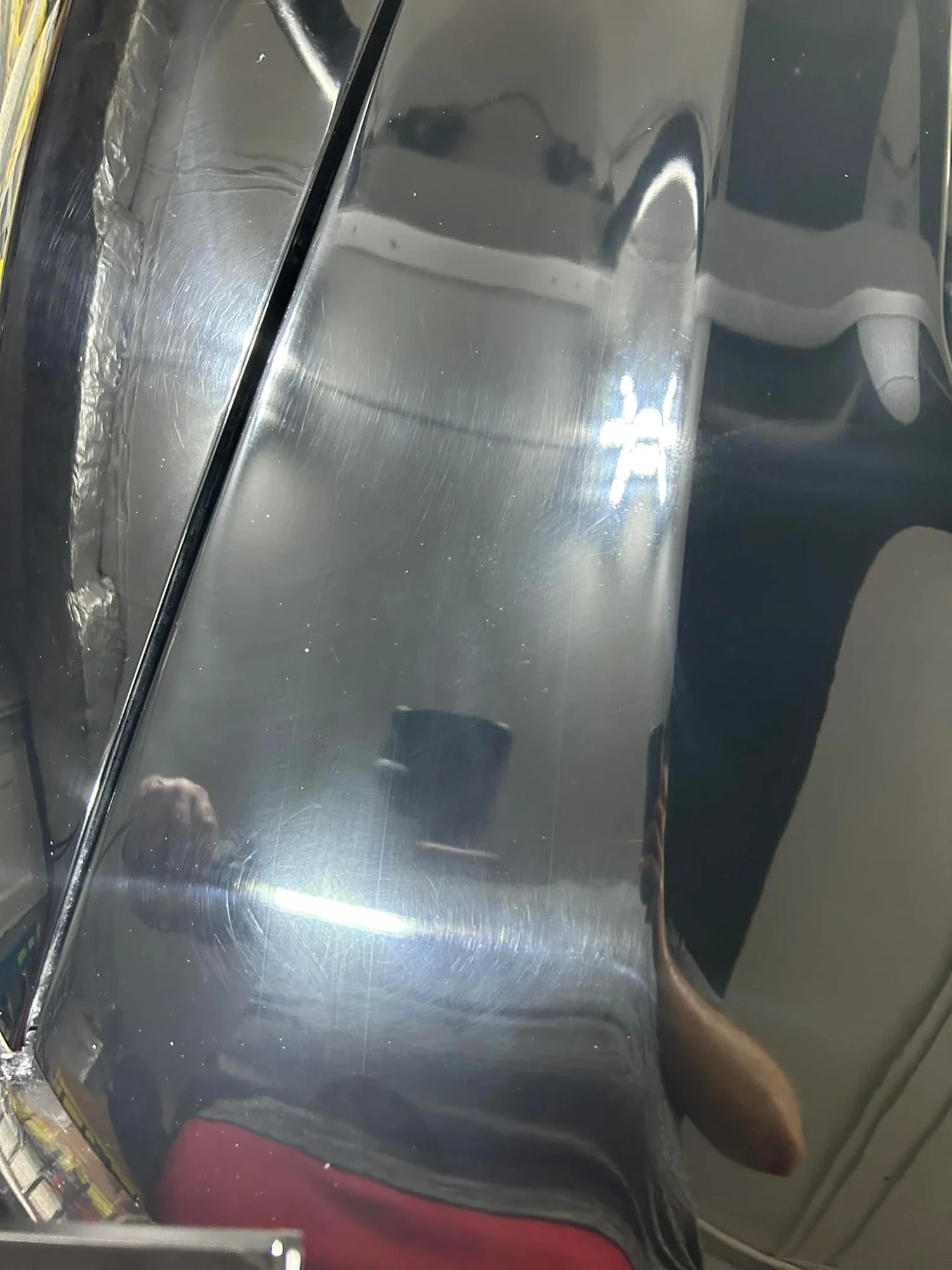
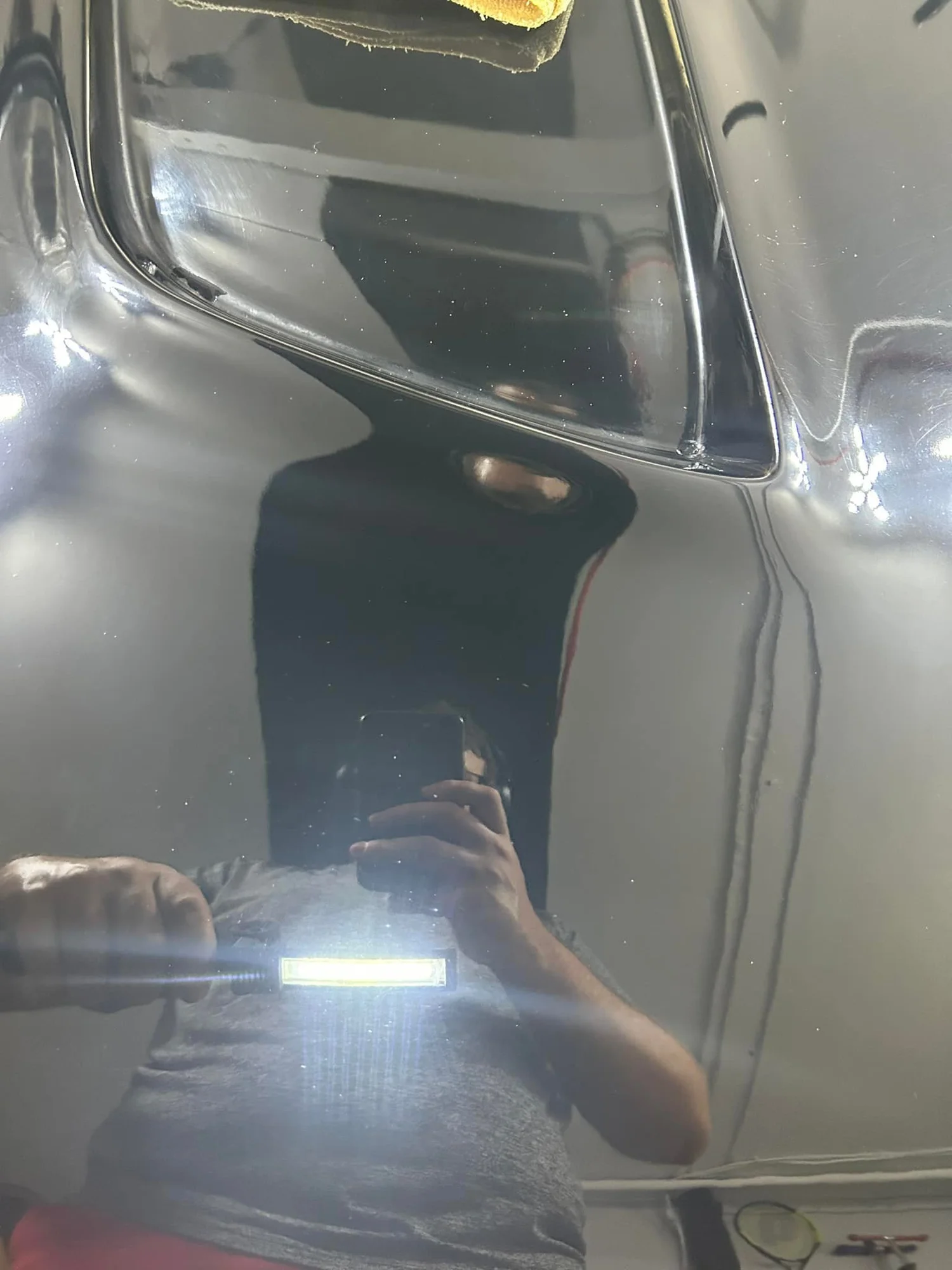
The difference between paint with accumulated swirl marks and paint that's been properly corrected is significant — particularly on dark-colored vehicles where the contrast is highest. These images show the same panel before and after single-stage paint correction.
Can Swirl Marks Actually
Be Fixed?
Most of them, yes — and it's worth being specific rather than vague about this. Swirl marks that exist only in the clear coat can be reduced or removed through paint correction — machine polishing that uses professional-grade compounds or polishes to gently level the surface of the clear coat, removing the scratches by bringing the surrounding paint down to the same level as the bottom of the scratch.
The key phrase is "clear coat only." You can usually test this yourself: if you can feel the scratch with your fingernail, it's likely gone through the clear coat and may not be fully correctable through polishing alone. If your nail glides over it, it's probably in the correctable zone.
The fingernail test is a reliable first check. If your nail catches in the scratch, it's likely through the clear coat. If it glides over it, it's probably in the correctable zone.
What Correction Can Fix
- Fine swirl marks from washing and automatic car washes
- Light surface scratches that haven't broken through the clear coat
- Water spot etching from hard water mineral deposits — very common in Westchester County given local water hardness
- General surface oxidation and dullness from UV exposure
- Buffer trails or holograms left by previous improper machine polishing
What Correction Can't Fix
- Deep scratches you can feel with your fingernail — these have reached the base coat or primer and require touch-up paint or bodywork
- Rock chips and paint chips where the clear coat has been physically removed by impact
- Dents, dings, and physical body damage of any kind
- Severe clear coat failure — peeling, flaking, or delamination where the clear coat has structurally failed rather than just been scratched
Clear Coat Is Thinner Than You Think —
And That Changes Everything
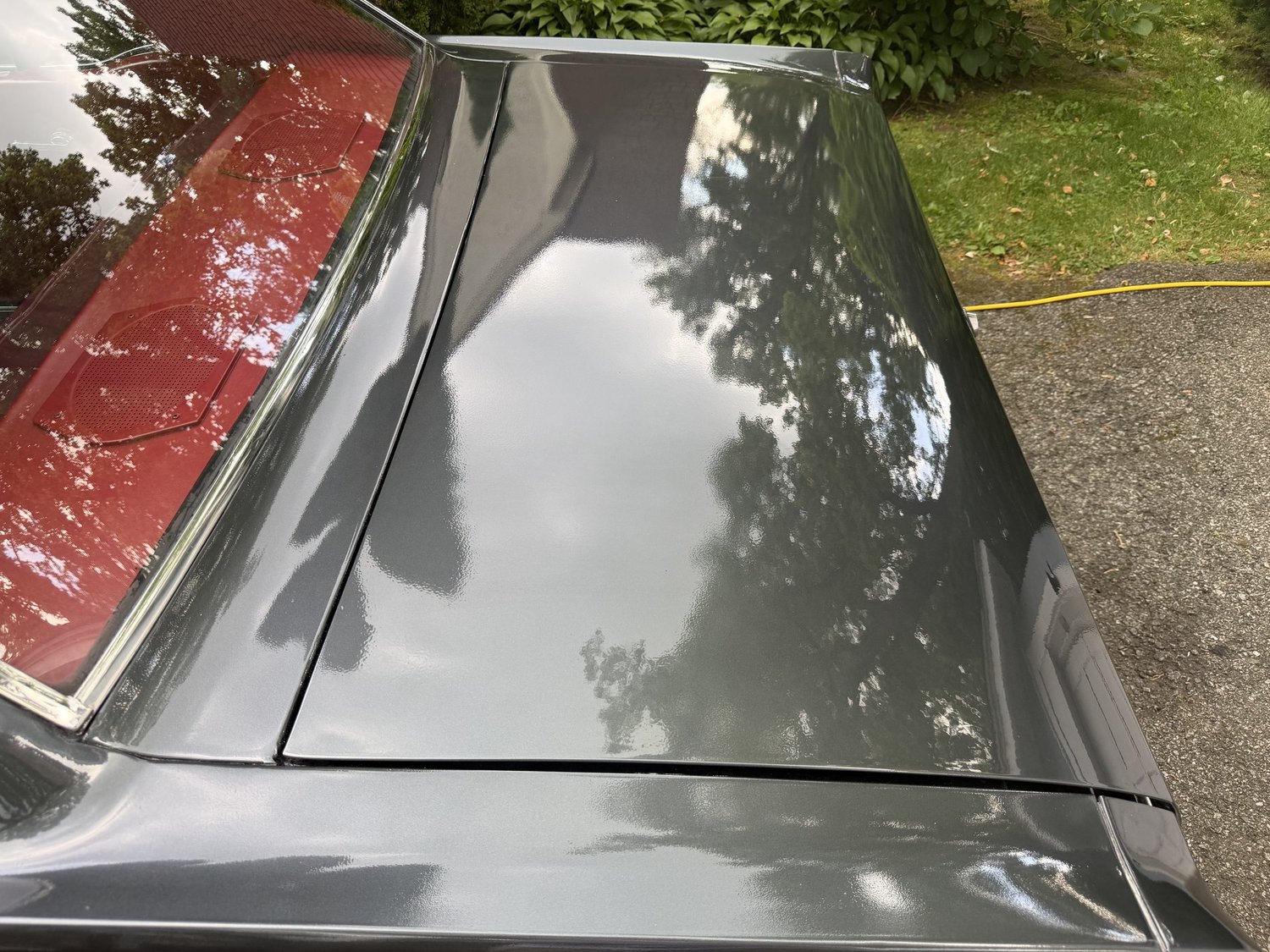
Paint correction works by removing a very thin layer of clear coat to level out the surface. Modern factory clear coats are typically between two and four mils thick — roughly the thickness of a few sheets of paper. It's the only barrier between your vehicle's color coat and the full force of UV radiation, road contamination, washing abrasion, and environmental exposure.
Every polish pass removes some of that material. Not much in a single session — but enough that repeated aggressive correction over the life of a vehicle can eventually compromise the clear coat's ability to do its job. This is why at Tedrow's Mobile Detailing, we use single-stage machine polishing only — not multi-stage correction. For the vast majority of daily drivers in Westchester County, one well-executed pass addresses most swirl marks and surface defects while removing the minimum amount of clear coat necessary.
The goal is to improve what can be improved without shortening the life of the paint in the process. That's not a limitation — it's the honest approach to protecting a vehicle you're planning to drive for years.
View Paint Correction ServicesHow to Prevent Swirl Marks
From Coming Back
Paint correction removes existing swirl marks — but if the habits that caused them don't change, they'll be back within months. Here's what actually makes a difference in keeping paint looking cleaner longer.
If your current routine involves a regular brush-style tunnel wash, this single change will have more impact on your paint's long-term condition than almost anything else. Touchless washes are a significantly better option if hand washing isn't practical. For coated vehicles especially, hand washing is consistently the recommended approach.
The two-bucket method uses one bucket for clean soapy water and a second bucket for rinsing the wash mitt between passes. This keeps contaminated rinse water separate from the clean wash water, dramatically reducing how much dirt gets dragged back across the paint with each pass. It's a simple change that makes a substantial difference over time.
If you need to remove dust, pollen, or light contamination between washes, use a dedicated detailing spray and a clean microfiber towel — never wipe a dry surface. Rinsing with water first removes the particles that would otherwise be dragged across the clear coat. This is particularly relevant during spring in Westchester County when pollen settles on every vehicle within hours of washing. Rinse first, always.
High-quality, properly maintained microfiber towels and wash mitts are genuinely different from budget alternatives. Wash them separately from other laundry, avoid fabric softener, and replace them when they feel coarse or degraded. The difference in how they interact with paint is meaningful — this is one of those small investments that directly affects long-term paint condition.
Paint protection products — wax, sealant, or ceramic coating — create a sacrificial layer between the clear coat and everything that contacts it. Contamination sits on the protection rather than directly on the clear coat. When swirl marks do form, they form in the protection layer first. For long-term drivers who want the most durable protection against future swirl mark accumulation, ceramic coating is the most effective option. Learn about the benefits of ceramic coating →
One of the quieter benefits of a Monthly Maintenance program is that regular professional washing — done correctly, with the right products and technique — consistently produces less swirl mark accumulation than irregular washing done in a hurry. A vehicle properly hand washed monthly will have significantly better paint condition at the five-year mark than one run through a tunnel wash whenever it looks dirty.
Next Steps If Your Paint
Has Swirl Marks
If you've read this far and recognized your vehicle in the description, here's a straightforward path forward depending on how severe the situation is.
Paint Swirl Marks —
Frequently Asked
Find Out What's Actually Going
on With Your Paint
Tedrow's Mobile Detailing serves vehicle owners throughout Westchester County — New Rochelle, Scarsdale, Pelham, Bronxville, Rye, Mamaroneck, Larchmont, Chappaqua, Port Chester, and Rye Brook. We come to you, assess the paint honestly, and recommend what the vehicle actually needs — not just what costs the most.