

Trim
Restoration
Bring back the black — without the shortcuts that make it fade again in three months.
Faded, gray, and chalky exterior trim is one of the most visible signs of an aging vehicle. Professional trim restoration can bring it back — and the method used makes all the difference in how long it actually lasts.
Why Exterior
Trim Fades
The black plastic trim, rubber seals, bumper covers, and exterior moldings on your vehicle were designed to complement the paint and give the car a finished, intentional look. Over time, UV exposure, oxidation, and environmental contamination break down the surface of these materials — stripping away their color and leaving behind a dull, chalky gray appearance.
This process happens gradually, which means many drivers don't notice how far the trim has faded until they compare it to a photo from a few years earlier — or see the same vehicle in better condition somewhere else.
In Westchester County and Fairfield County, year-round UV exposure, road salt, pollen, and seasonal humidity accelerate this process — especially on vehicles that are parked outdoors regularly or driven daily. As part of our full car detailing service, the good news is that in most cases, faded trim can be restored without replacing it, if the right method is used.
Book Trim Restoration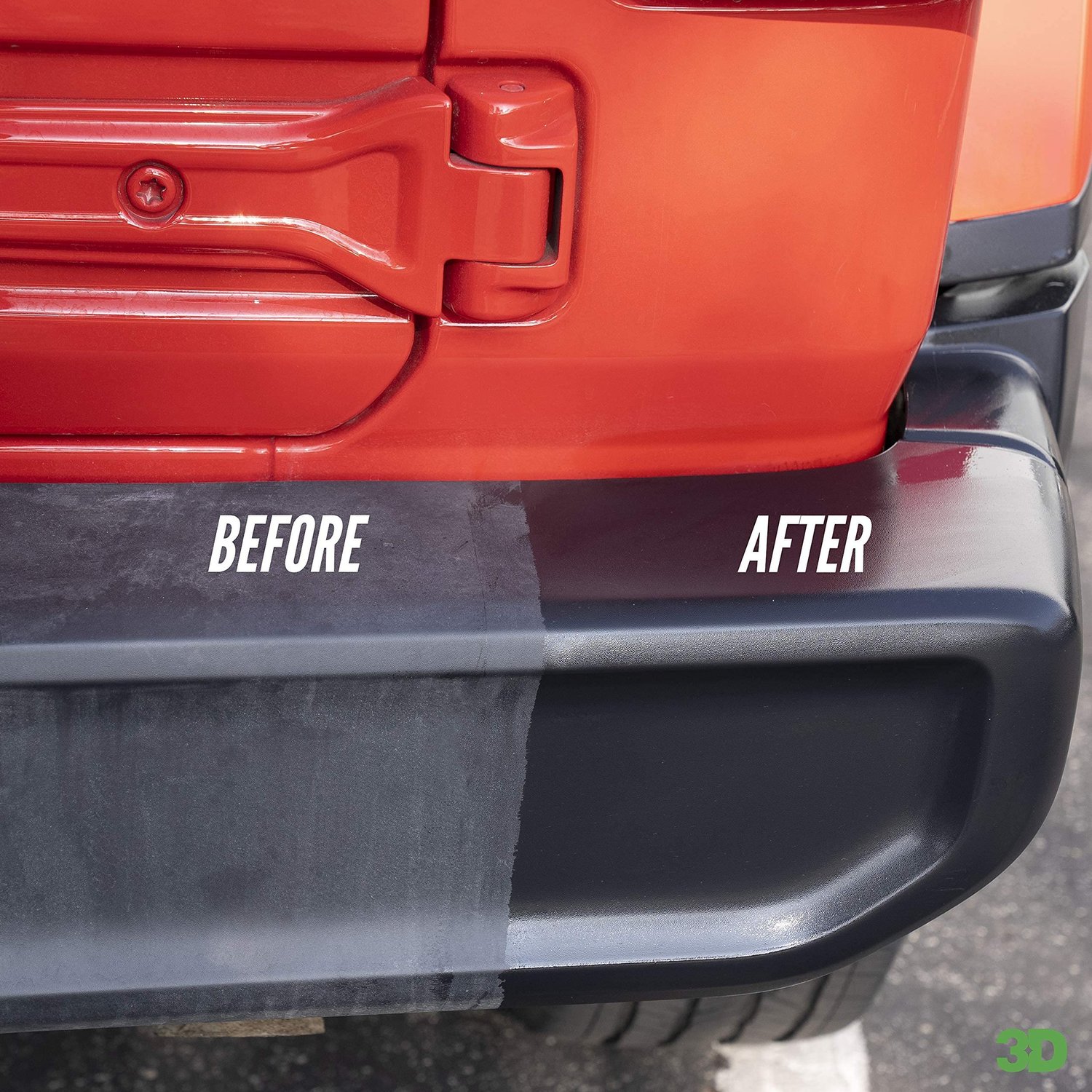
What Trim Restoration
Covers
Every vehicle is assessed individually. Trim restoration can address a range of exterior surfaces depending on the vehicle's condition and goals.
Exterior Plastic Trim
Door trim, body moldings, side mirror housings, and cladding panels that have faded to gray are among the most common restoration targets — and often the most visible improvement after the service.
Faded Bumper Covers
Front and rear bumpers are often the first areas to show visible fading because of their constant exposure to road debris, UV radiation, and wash chemicals over years of use.
Windshield Cowl
The plastic cowl panel at the base of the windshield is frequently overlooked but fades noticeably — especially on vehicles with sun exposure across the hood line where it becomes highly visible.
Wheel Arch Liners & Cladding
Textured plastic surfaces around the wheel wells and lower body panels are common fading areas, particularly on SUVs, trucks, and crossovers where this trim is more prominent and exposed to road spray.
Rubber Seals & Window Trim
Door seals, window trim, and rubber moldings are inspected on-site. Condition varies significantly by vehicle, and treatment recommendations are made based on what's actually present rather than a blanket approach.
Assessed on Inspection
Every vehicle is different. Rather than assuming every surface needs the same treatment, we evaluate each trim area in person before recommending the right restoration approach for your specific vehicle.
What the Difference
Actually Looks Like
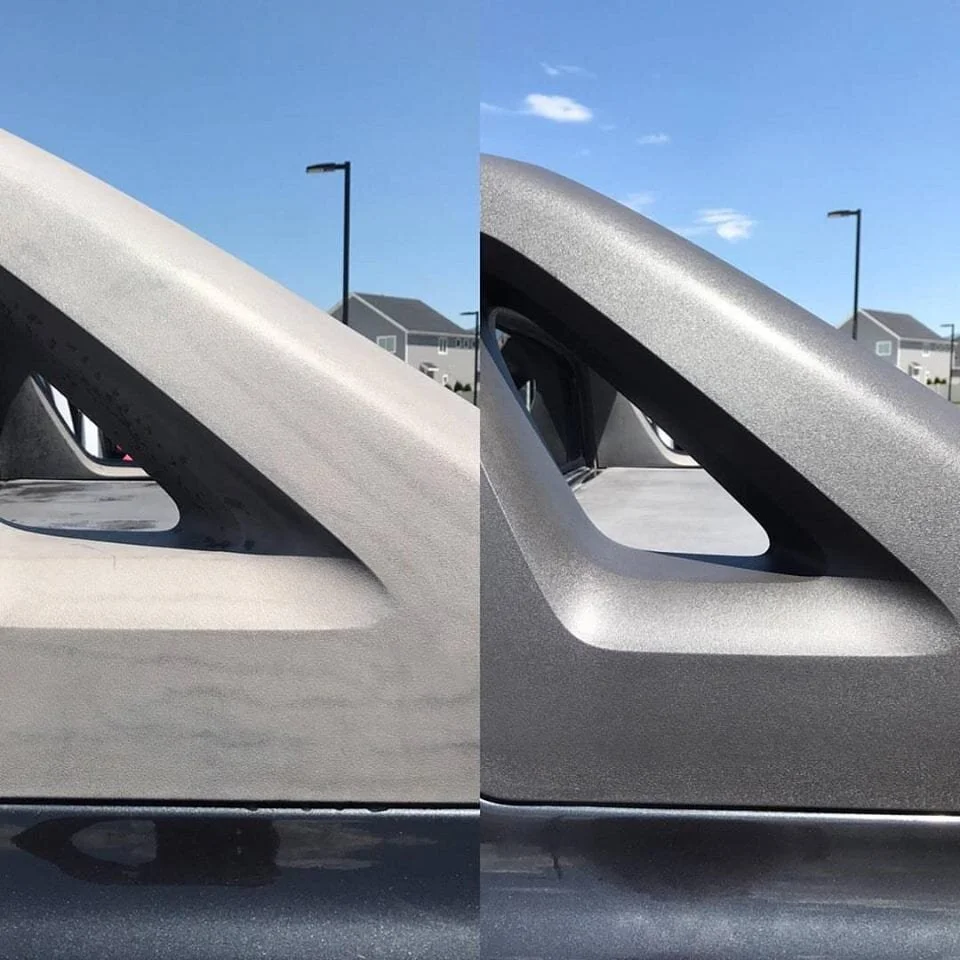
The contrast between faded and restored trim is one of the most dramatic visual improvements available in exterior detailing — and one of the most cost-effective ways to change how an aging vehicle presents itself.
Why the Method
Matters
If you've researched trim restoration online, you've likely come across videos of people using heat guns on faded plastic. The results look impressive — in the moment. What most of those videos don't show is what happens three to six months later.
The Problem With Heat-Based Restoration
Applying heat to faded plastic pulls the original dye from within the material up to the surface. It creates a temporarily dark appearance, but the underlying plastic has been further compromised. As that surface dye breaks down again — which it does faster the second time — the trim fades again, often more severely, and the plastic becomes more brittle and prone to cracking. Heat restoration is a short-term cosmetic fix, not a long-term solution. We don't use it.
Instead, we use dye-infused restoration products that penetrate the surface of the plastic and restore color from within — without depleting what's left in the material. The result holds up significantly longer and doesn't accelerate the degradation of the trim the way heat-based methods do.
For ongoing maintenance between services, dressings can be applied as part of broader exterior services. But when the goal is genuine restoration of badly faded trim, the dye method is the approach that produces lasting results.
Dressings vs
Dye-Infused Restoration
Both products improve the appearance of exterior trim. They're designed for different situations — understanding the difference helps set the right expectations before booking.
Trim Dressings
Dressings coat the surface of the trim and restore a dark, clean appearance temporarily. They're effective, commonly included as part of routine exterior detailing, and a good fit for maintaining trim that's in decent condition.
Results typically last a few weeks. They're the right choice when trim is in reasonable shape and needs a quick refresh between more comprehensive services — not when the trim has faded badly.
Dye-Infused Restoration
When trim has faded significantly, dye-based products penetrate the surface and restore color in a more durable, longer-lasting way. This approach is better suited for vehicles where the trim is badly oxidized, where repeated dressing applications are no longer producing satisfying results, or where the owner wants a more permanent solution.
During your evaluation, we'll assess the condition of your trim and recommend the approach that makes the most sense for your vehicle and goals.
Book Trim Restoration →The Restoration
Process
Trim restoration isn't a spray-and-wipe process. The longevity of the result depends almost entirely on what happens before any product is applied — and that preparation is where most DIY attempts fall short.
On-Site Assessment
Every vehicle is evaluated in person before work begins. Trim condition, surface contamination, and the extent of fading are assessed so the right approach is used. Not every surface needs the same treatment, and not every trim piece will respond the same way — the inspection determines the plan.
Surface Cleaning
All trim surfaces are thoroughly cleaned to remove dirt, road film, old dressing residue, and any contamination that would prevent proper product adhesion. Skipping this step — or doing it inadequately — is the most common reason restoration products underperform on DIY applications.
Decontamination
Bonded contaminants that don't wash off — including iron deposits and environmental fallout — are removed before restoration products are applied. This step ensures the product makes consistent contact with the trim surface rather than bonding over a layer of contamination.
Dye-Infused Product Application
The appropriate restoration product is applied based on the trim's condition and material type. Product penetrates the surface to restore color from within rather than simply coating it — producing a result that holds up to UV exposure, washing, and environmental contamination significantly longer than surface-only treatments.
Edge & Detail Work
Trim restoration includes careful attention to edges, seams, and recessed areas where fading is often most visible and where surface prep is easy to rush. These details are what separate a thorough result from one that looks good from a distance but uneven up close.
Final Inspection
The finished result is inspected before the service is complete. Any areas needing additional attention are addressed before we pack up — the goal is a consistent result across every treated surface, not a quick pass and move on.
Who Trim Restoration
Is For
Trim restoration delivers the most value when the vehicle matters but replacement isn't the goal. Here's who tends to see the biggest return from the service.
Vehicles Being Kept Long-Term
You're not looking to trade in or sell — you just want the car looking and feeling like it's worth holding onto. Restored trim makes a significant difference in that daily experience, especially on a vehicle you drive every day.
Cars Being Passed Down
A vehicle being handed off to a teenager or family member doesn't have to look like an old car just because it is one. Trim restoration is one of the most visible improvements you can make before the handoff — and one of the least expensive relative to the impact.
Minivans & Family SUVs
High-use family vehicles often have some of the most faded trim because they're driven constantly, washed frequently, and parked outside year-round. The difference after restoration on a family SUV is usually dramatic — and often surprising to owners who'd gotten used to how it looked.
Owners Who Want to Avoid a Car Payment
A detail that restores the trim, glass, and exterior can make your current vehicle feel substantially newer — for a fraction of what a replacement would cost. Many clients book trim restoration specifically as an alternative to trading up.
Vehicles Preparing for Sale
Faded trim is one of the first things a buyer notices and one of the easiest things to use as leverage in price negotiations. Restoring it before listing can meaningfully improve curb appeal and perceived value — often returning more than the cost of the service.
Anyone Who Just Wants It to Look Right Again
Sometimes the reason is simple. The car used to look good, and it doesn't anymore. Trim restoration can fix a large part of that — quickly, affordably, and without a shop visit.
Why Trim Fades Faster
in Westchester County
Westchester County's four-season climate creates consistent and compounding wear on exterior trim — accelerating the fading process faster than many owners expect.
Year-Round UV Exposure
UV radiation is the primary driver of plastic oxidation. Vehicles parked outside in New Rochelle, Scarsdale, and the surrounding area are exposed year-round — even on overcast days, UV penetrates cloud cover and continues degrading unprotected trim surfaces.
Winter Road Salt
Salt and brine solutions used throughout Westchester winters are harsh on lower-body trim, wheel arches, and bumper covers — areas that accumulate road spray with every drive and are rinsed repeatedly in contaminated water all season long.
Spring Pollen Buildup
Heavy pollen seasons in tree-lined communities like Bronxville, Chappaqua, and Rye create a coating on exterior surfaces that traps moisture and accelerates surface breakdown — particularly on horizontal trim surfaces where pollen accumulates and sits.
Summer Heat & Humidity
High summer temperatures combined with humidity cause plastic to expand and contract repeatedly over time. This thermal cycling contributes to fading and surface degradation, particularly on dark-colored trim surfaces that absorb more heat.
Outdoor Parking
Vehicles without covered parking face constant exposure. Many Westchester driveways and street-parked vehicles absorb years of UV, rain, and contamination without shelter — accelerating the fading that brings most clients to us in the first place.
Repeated Washing
Frequent washing — especially at automated car washes — strips surface dressings and exposes trim to additional oxidation with every cycle. The very maintenance that keeps the paint clean can accelerate trim degradation when the process doesn't account for trim care.
Trim Restoration as Part of a
Complete Exterior Revival
For many vehicles, faded trim is one piece of a larger picture. Paint that's lost its gloss, glass that's accumulated years of water spots, and trim that's gone gray — these issues age a vehicle together, and they're often best addressed together.
Your Whole Exterior Tells the Same Story
The same environmental factors that fade exterior plastic — UV, salt, contamination, and oxidation — also affect painted surfaces, glass, and wheels. A vehicle that's been exposed to several Westchester winters usually shows wear across all of these surfaces at once.
Addressing them in one comprehensive service produces a more cohesive result and often makes the most practical and financial sense — rather than restoring the trim while the rest of the exterior continues to decline.
Learn About Signature Exterior Reset →Right-Sized for Your Vehicle
Not every vehicle needs everything. Some customers come in for trim only. Others combine it with paint correction, glass coating, or a full exterior reset depending on the vehicle's condition and their goals.
The on-site evaluation is the right starting point — it helps identify what will actually make a meaningful difference for your specific vehicle, rather than upselling services that won't move the needle.
Book Your Evaluation →Frequently Asked About
Trim Restoration
Your Car Doesn't Have to
Look Like It's on Its Way Out
Faded trim is one of the most visible signs of age on any vehicle — and one of the most correctable. For everyday drivers, family vehicles, hand-me-down cars, and anyone who just wants their vehicle looking right again, trim restoration delivers a noticeable result without the cost of replacement. Serving New Rochelle, Scarsdale, Pelham, Mamaroneck, Larchmont, Bronxville, Rye, Greenwich, Stamford, and communities throughout Westchester County and Fairfield County — at your driveway.