

What Every Season Does
to Your Vehicle
A vehicle sitting in a Westchester driveway is exposed to four genuinely different environments every year. Here's what each one does to your paint, interior, glass, wheels, and trim — and what consistent care actually prevents.
This isn't a scare tactic. Most environmental damage is slow, gradual, and entirely preventable with reasonable maintenance. But it's worth understanding what's actually happening so you can make informed decisions.
Your Vehicle Is a Large Investment
Exposed to the Outdoors Every Day
Most new vehicles sold in Westchester County cost somewhere between $40,000 and $80,000. They depreciate the moment they leave the lot, but how they're maintained — or neglected — determines how quickly the physical condition follows the financial curve.
The environment doesn't care what you paid. UV radiation breaks down clear coat the same way on a Subaru and a BMW. Road salt doesn't distinguish between a lease vehicle and a paid-off minivan. Tree sap that sits on paint for three weeks in June doesn't ask about your warranty.
None of this is meant to alarm you. Most environmental damage is slow, gradual, and entirely preventable with reasonable maintenance. But it's worth understanding what's actually happening across the seasons.
The goal of seasonal car care isn't perfection. It's preventing the kind of slow deterioration that turns a manageable situation into an expensive one.
What Each Season Does to Your Vehicle
in Westchester County
Westchester County sits in a climate zone that delivers genuine seasonal variation — not just temperature shifts, but meaningfully different chemical and environmental exposures that affect your vehicle's surfaces in different ways.
Spring
Spring in Westchester is pollen season. Communities like Scarsdale, Bronxville, Chappaqua, and Rye — with their heavy tree canopies — can see significant pollen accumulation on vehicle surfaces within hours of washing. Pollen combined with spring rain and prolonged surface contact creates a fine layer of contamination that dulls paint over time.
Spring is also when tree sap activity picks up. Sap is one of the more damaging common contaminants — it's adhesive, etches into clear coat when exposed to heat, and becomes significantly harder to remove the longer it remains on the surface. A vehicle parked under a tree in April and May is getting regular sap exposure.
Inside the vehicle, spring means windows going down more frequently, more foot traffic carrying mud and debris, and the beginning of the season when allergens start making their way into the cabin regularly.
Book Spring Exterior Reset →Summer
Summer brings UV radiation, heat, thunderstorms, bug residue, and water spots from sprinkler systems — a combination harder on vehicle surfaces than most owners realize. UV exposure is the primary cause of clear coat breakdown and paint oxidation over time. A vehicle parked outside daily from June through August is accumulating UV exposure across every painted panel, every day.
Bug residue is a summer-specific concern for highway commuters. Vehicles traveling on I-95, the Hutchinson River Parkway, or the Taconic pick up insect impact on the front bumper, hood, and windshield. Bug residue is mildly acidic and bonds to paint quickly in the heat — left in place, it can etch into the clear coat.
Inside, summer means sun exposure heating interior plastics, leather, and trim. UV damage to leather and plastics is slow but cumulative — dashboards fade and crack, leather dries out. Consistent interior care during summer helps slow that process significantly.
Book Monthly Maintenance →Fall
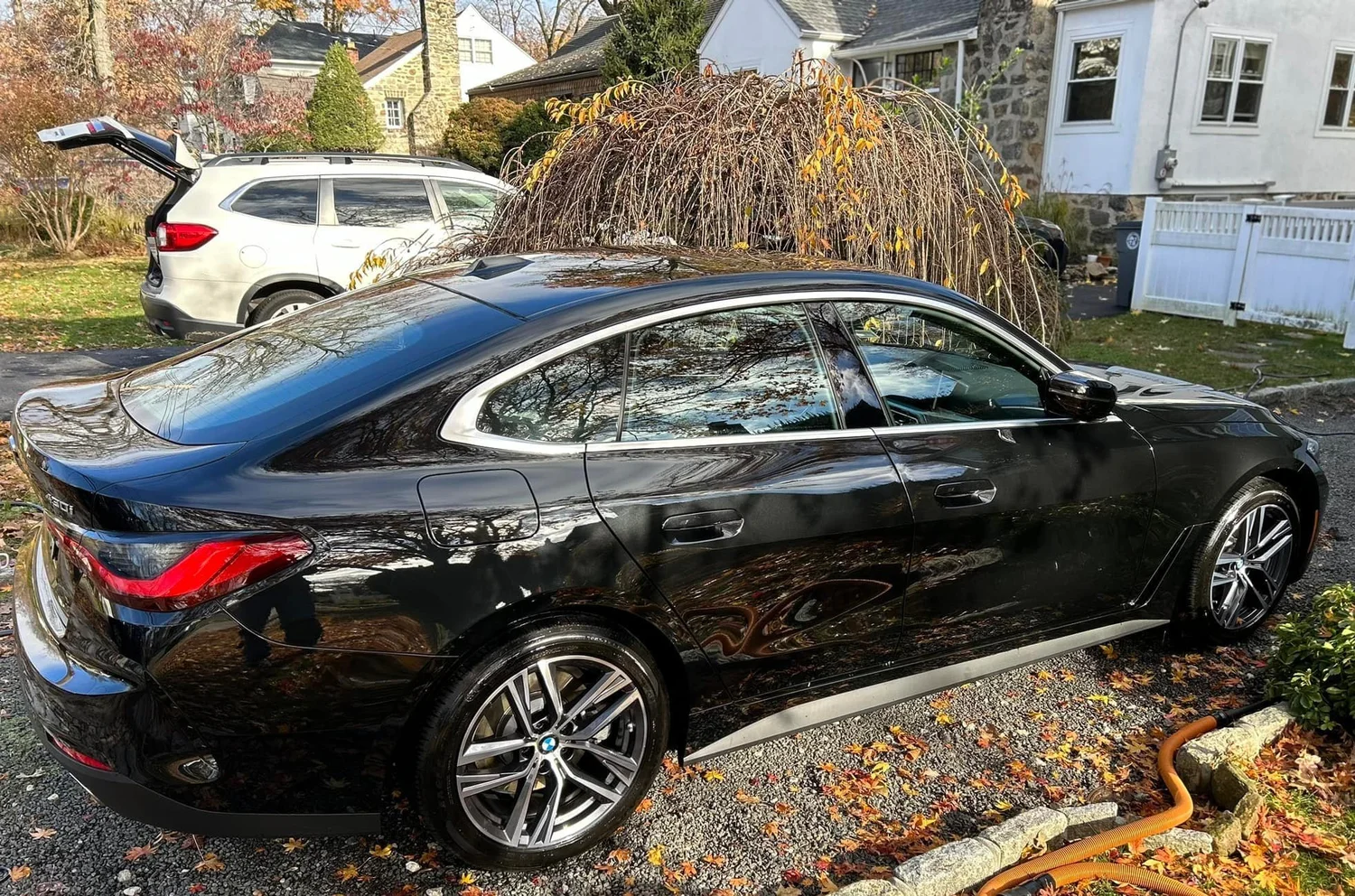
Fall is visually the most pleasant season in Westchester. It's also the season where organic material starts accumulating on vehicles in ways that can cause real surface damage if left unaddressed. A wet leaf sitting on paint creates localized moisture, tannin transfer, and potential staining. Leaves that sit long enough can leave a permanent impression or discoloration — especially on lighter-colored vehicles.
Tree debris, berries, and organic fallout from overhead branches are similarly problematic. These materials are often more acidic than they appear and can begin affecting paint or glass if left through multiple rain cycles.
Fall is the transitional season before winter — making it the best time to ensure the vehicle has a solid protective layer in place before road salt season begins. A vehicle heading into November with fresh paint protection is in a significantly better position than one heading in with bare, contaminated paint.
Book Pre-Winter Ceramic Coating →Winter
Winter is the harshest season for vehicle surfaces in Westchester County — not because of the cold, but because of what goes on the roads. Road salt and brine solutions are applied before and after every snow event, and vehicles commuting on I-95, the Bronx River Parkway, and the Cross County Parkway can accumulate significant salt exposure in a single commute.
Winter road spray is thick and persistent. The combination of salt, brine, slush, sand, and road grime that accumulates on a vehicle over a week of winter commuting is substantially heavier contamination than any other season produces. Glass takes on an additional challenge — ice forms differently on contaminated glass, and road spray moves off less efficiently without proper glass maintenance.
Inside the vehicle, winter means moisture from wet boots, road salt tracked in on floor mats, and condensation. Salt that makes its way into carpet fibers can accelerate wear and staining if it isn't removed regularly.
Book Monthly Winter Maintenance →What Consistent Seasonal Care
Produces Over Time
How Environmental Exposure Affects
Each Part of Your Vehicle
Each surface on your vehicle responds differently to seasonal exposure. Understanding what's actually happening helps explain why consistent care across all surfaces — not just the paint — matters over time.
Paint & Clear Coat
Clear coat is the transparent protective layer on top of your vehicle's color — what gives paint its gloss and depth. UV radiation, chemical contamination, and improper washing gradually break it down over time. Clear coat cannot be restored once it fails. At that point, the vehicle needs a repaint. Regular washing, periodic decontamination, and paint protection products extend clear coat life significantly.
Learn about exterior detailing →Glass & Windshield
Automotive glass accumulates contamination in ways that meaningfully affect visibility. Road film, mineral deposits, pollen, and environmental fallout create a layer that increases glare, causes rain to sheet rather than bead, and makes nighttime driving more fatiguing. Clean, properly maintained glass is a safety consideration, not just an aesthetic one.
Learn about glass coating →Wheels & Brake Dust
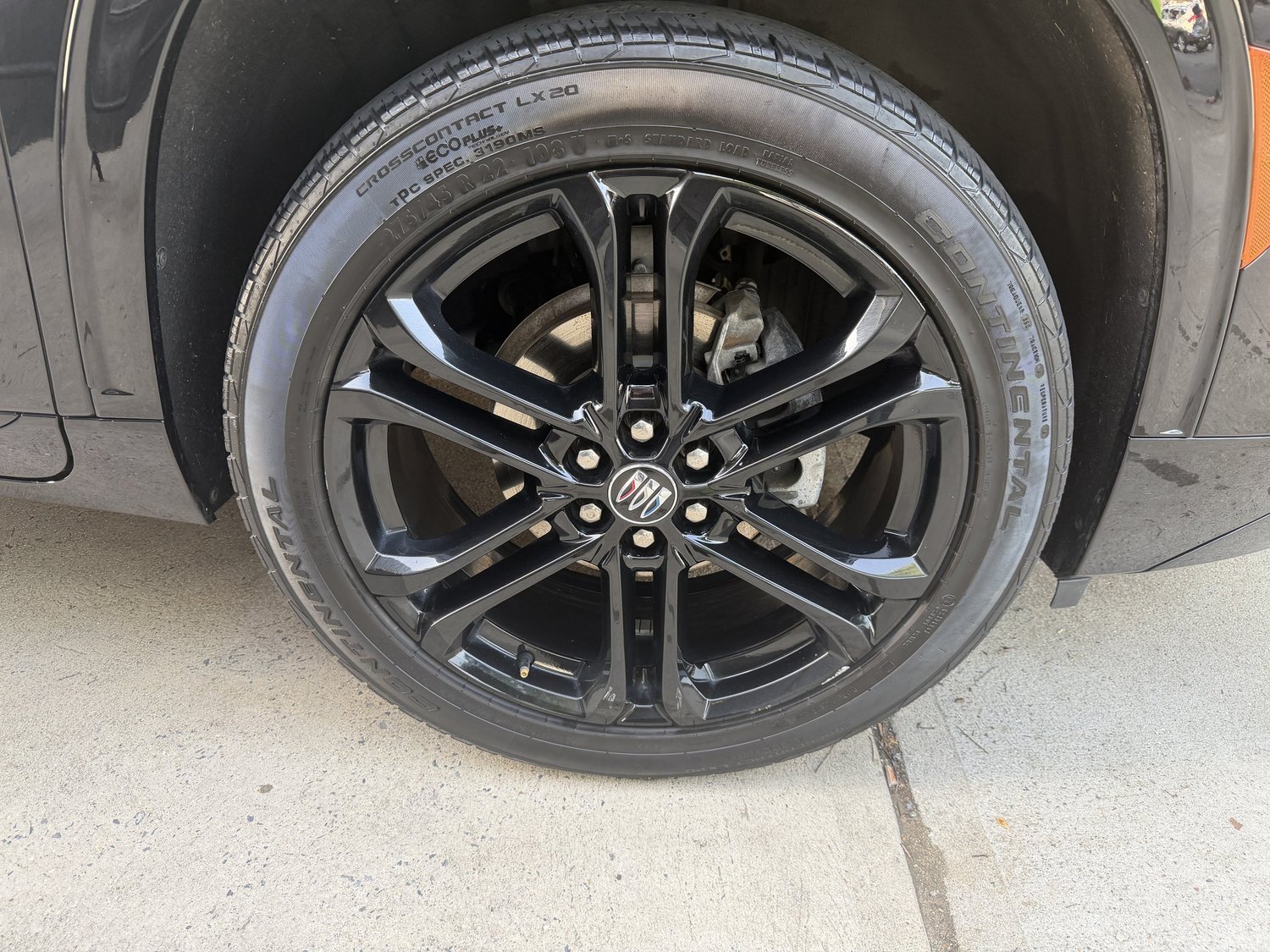
Wheels are one of the most contaminated surfaces on the vehicle. Brake dust lands on wheel surfaces and begins bonding relatively quickly in heat. On certain wheel finishes, prolonged brake dust buildup combined with road salt exposure can cause staining or surface damage that requires professional correction to address. Regular wheel cleaning prevents accumulation from reaching that point.
Learn about Signature Exterior Reset →Exterior Trim & Plastics
Black exterior plastic trim fades to gray through UV exposure over time. Once the dye in the plastic breaks down, temporary dressings can improve appearance short-term. Trim restoration using dye-infused products can return significantly faded trim to a closer-to-original appearance — producing results that last far longer than heat gun methods or consumer dressings.
Learn about trim restoration →Leather Seats
Leather ages through UV exposure, friction, body oils, and surface dryness. Cracking and discoloration are the visible results of leather that has been allowed to dry out or has absorbed oils and contaminants over time without regular cleaning. Regular cleaning removes the buildup that works into leather's surface texture and significantly extends the material's life.
Learn about Signature Interior Reset →Carpets & Floor Mats
Carpet fibers trap dirt, moisture, salt, food debris, and organic material that gets pushed deeper with every step. Salt from winter boots is a particular concern — it's abrasive, and when embedded in carpet fibers it accelerates wear from the inside out. Regular vacuuming and light cleaning keep debris at the surface where it's easy to remove rather than allowing it to work deeper over time.
Learn about interior essentials →Why Consistent Care Costs Less
Than Catching Up
There's a straightforward pattern in vehicle care: contamination removed consistently stays manageable. Contamination allowed to accumulate becomes progressively harder — and more expensive — to address.
Paint correction, wheel restoration, leather repair, and deep extraction services exist because regular maintenance didn't prevent the problem in time. They're effective — but significantly more involved and expensive than the care that would have prevented the need for them.
Tree sap removed within a few days comes off without much effort. Tree sap exposed to summer heat for three weeks has often partially etched into the clear coat — what was a maintenance task becomes a paint correction situation. Brake dust removed monthly stays loose and cleans easily. Brake dust baked onto wheels through repeated heat cycles becomes bonded contamination that can cause permanent staining.
This is the honest case for a Monthly Maintenance program. Not because your vehicle will fall apart without one, but because consistent, light-touch care across all four seasons keeps the vehicle in a condition that's genuinely easier and cheaper to maintain long-term. A monthly exterior visit runs $50–70. A single-stage paint correction starts at $300. That's the math on what prevention costs versus what correction costs.
What Seasonal Car Care
Actually Looks Like
You don't need a complicated plan. Most vehicle owners in Westchester County benefit from a simple, consistent approach that addresses what each season actually brings — not a different service every month, but the right focus at the right time of year.
After a Westchester winter, the priority is removing accumulated salt, brine, and road grime from paint, wheels, and lower panels before it continues doing damage. A thorough exterior detail and decontamination in early spring removes bonded winter contamination and gives you a clean surface to apply fresh protection before pollen and sap season ramp up. For vehicles that picked up significant tree sap or winter damage, spring is also the right time to evaluate whether paint correction is warranted before new protection goes on. View Signature Exterior Reset →
Summer is the season where staying on top of washing matters most. Bug residue and sap are the two contaminants with the highest potential for paint damage, and both become more aggressive the longer they sit in heat. Monthly exterior maintenance during summer keeps these from becoming etching or staining issues before they're caught. For the interior, consistent vacuuming and surface cleaning prevents the gradual buildup of sunscreen residue, food debris, and allergens that family vehicles accumulate quickly during this time of year. View Monthly Maintenance →
Fall care has two goals: removing organic material as it accumulates, and ensuring the vehicle has a solid protective layer in place before road salt season begins. A vehicle that goes into winter with fresh paint protection — whether a sealant or ceramic coating — is meaningfully better positioned than one that doesn't. Fall is also an ideal time to address trim fading, glass contamination, or interior issues before winter conditions make everything harder to maintain. View Ceramic Coating →
The single most effective thing a Westchester County vehicle owner can do in winter is wash their vehicle more frequently than feels necessary. Salt and brine don't need weeks to cause damage — they just need time and moisture, which winter provides constantly. Hand washing or touchless washing during winter removes salt before it has extended contact with paint and wheels. For vehicles on a monthly maintenance program, winter visits focus primarily on thorough salt removal, wheel cleaning, and glass maintenance to keep visibility where it needs to be. Book Monthly Winter Maintenance →
The vehicles that hold up best over 8 to 10 years of Westchester driving aren't the ones that received one major detail. They're the ones that received consistent, reasonable care across every season.
How Monthly Maintenance Addresses
All Four Seasons
A Monthly Maintenance program isn't a single service repeated twelve times. The work adjusts to what the vehicle has been exposed to — heavier decontamination focus in late winter and spring, more attention to sap and bug residue through summer, organic debris removal in fall, and salt management through winter.
Exterior Maintenance starts at $50 per month for a small vehicle. It covers the surfaces that take the most environmental abuse: paint, glass, wheels, and trim. For vehicles with ceramic coatings — which perform best when kept clean — regular exterior maintenance is especially important for getting the most out of that investment.
Full Vehicle Maintenance starts at $120 per month and covers both interior and exterior surfaces. For families, daily commuters, and anyone who wants the vehicle to consistently feel like something they enjoy driving, it's the most comprehensive option. For vehicles that need a deeper starting point first, our Signature Exterior Reset can bring the vehicle back to a maintainable condition before monthly care begins.
Seasonal Car Care —
Frequently Asked
Keep Your Vehicle in Good Shape
Across Every Season
Tedrow's Mobile Detailing serves vehicle owners throughout Westchester County — including New Rochelle, Scarsdale, Pelham, Bronxville, Rye, Mamaroneck, Larchmont, Chappaqua, Port Chester, and Rye Brook. We come to you, year-round. No drop-off required.