

Benefits of
Ceramic Coating
Ceramic coating gets talked about with more hype than honesty. This is a straightforward breakdown of what it actually does for your vehicle, what it doesn't do, and whether it makes sense for how you drive and where you live.
Not magic. Not maintenance-free. But one of the most practical upgrades available for a vehicle you plan to keep and drive in Westchester County's four-season climate.
What Ceramic Coating Is
in Plain Language
Ceramic coating is a liquid protective product applied to a vehicle's exterior surfaces — primarily paint, but also glass, wheels, and trim — that cures into a hard, semi-permanent protective layer. Unlike a wax applied on a Saturday afternoon, ceramic coating bonds chemically to the surface it's applied to and is designed to last significantly longer than any traditional protection product.
The coating is primarily composed of silicon dioxide — the same basic compound found in glass and quartz. When it cures on paint, it creates a surface that is harder, more hydrophobic, and more resistant to environmental contamination than bare clear coat or traditional wax alone.
It's worth saying clearly: ceramic coating is not a force field. It's not scratch-proof, chip-proof, or maintenance-free. It's a significantly more durable form of paint protection that changes how your vehicle's exterior holds up to daily use, Westchester weather, and the environmental exposure that gradually degrades paint over time. For the broader landscape of protection options, see our What Is Paint Protection? guide.
Ceramic coating is a meaningful upgrade in protection and maintenance simplicity — understanding exactly what that upgrade is helps you decide whether it's the right investment for your vehicle.
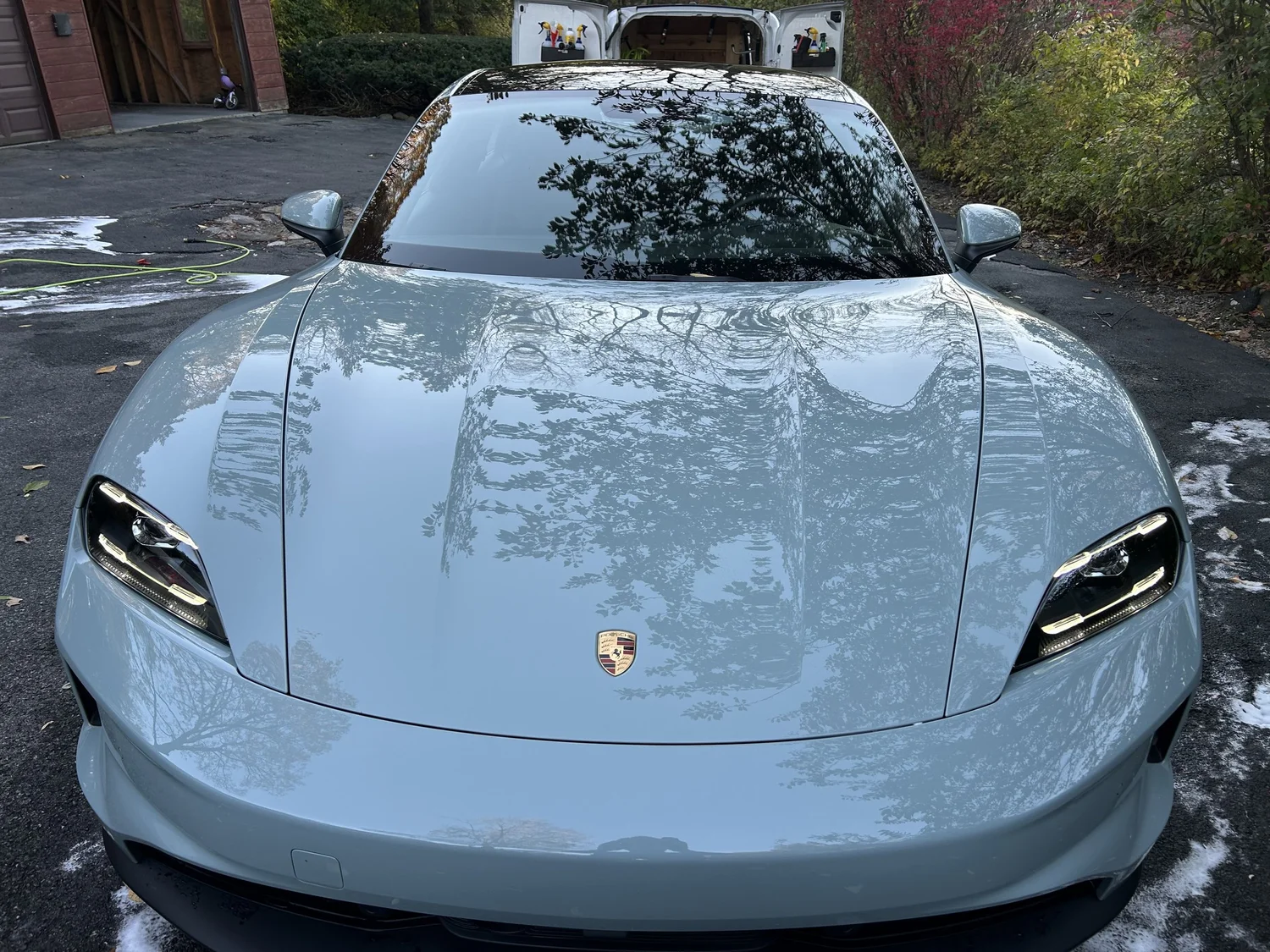
What Ceramic Coating Actually Does
for Your Car's Exterior
These are the benefits that matter to everyday vehicle owners in Westchester County — not the marketing version, but what you'll actually notice across daily use, seasonal driving, and routine maintenance.
Washing Becomes Significantly Easier
This is the benefit most ceramic coating owners notice first and appreciate most consistently. When paint is coated, contamination has a much harder time bonding to the surface. Road film, brake dust, pollen, bird droppings, and general grime sit on top of the coating rather than working into the paint itself.
The practical result: routine washes take less effort, less time, and less product to achieve the same result. Vehicles that used to feel like they needed an hour of scrubbing often rinse down in a fraction of the time. For daily commuters in New Rochelle, Scarsdale, Pelham, and Mamaroneck who drive through the contamination Westchester roads produce year-round, this alone is a meaningful quality-of-life improvement.
Water Behavior Changes Dramatically
Ceramic coatings are known for strong hydrophobic properties — water doesn't want to stick to the surface. On a properly coated vehicle, rainwater beads tightly and sheets off the paint rather than spreading across it in flat patches that evaporate and leave mineral deposits behind.
For Westchester drivers dealing with hard water spotting from rain events, sprinkler systems, and seasonal road spray, improved water behavior means fewer mineral deposits accumulating on paint and glass between washes — and a surface that stays cleaner longer between professional visits.
Paint Gloss and Depth Is Preserved Longer
Most of the visual improvement people see with ceramic coating actually comes from the preparation before the coating goes on — thorough decontamination, and paint correction if needed. The coating's role is to lock in and preserve that condition rather than let it degrade back toward where it started.
Over time, unprotected paint accumulates micro-scratches from washing, surface oxidation from UV exposure, and dulling from bonded contamination. A ceramic coating slows all three of these processes, which means paint that was properly prepared and coated tends to maintain its gloss and clarity significantly longer than bare, unprotected paint.
Environmental Contamination Has Less Impact
Westchester County vehicles face a consistent cycle of environmental exposure — spring pollen, summer UV and tree sap, fall organic debris, and winter road salt and brine. Each of these has the potential to damage paint, glass, and trim when left in contact with unprotected surfaces long enough.
Ceramic coating creates a more resistant surface layer. Bird droppings are easier to remove before they etch. Tree sap is less likely to penetrate deeply. Road salt and brine have less direct contact with the paint itself. Industrial fallout and brake dust that causes embedded rust spotting on bare paint bonds less aggressively to coated surfaces.
Clear Coat Lasts Longer
Clear coat is the transparent protective layer on top of your vehicle's color. Once it fails — through UV degradation, oxidation, or repeated surface damage — it can't be restored without repainting. Clear coat preservation is what determines how long a vehicle's paint holds up over its full life.
Ceramic coating acts as a sacrificial layer between your clear coat and the environment. UV rays, contamination, and the mild abrasion of routine washing all interact with the coating first. Over years of ownership, this extends the life of the paint significantly — which is often the most financially compelling reason to coat for long-term vehicle owners.
Winter Maintenance Becomes More Manageable
Winter is the harshest season for vehicle exteriors in Westchester — not because of the cold itself, but because of road salt, brine solutions, and the thick road spray that accumulates during and after every snow event on I-95, the Hutchinson River Parkway, and the Cross County Parkway.
On bare paint, that contamination bonds and accumulates more aggressively. On coated paint, it rinses away more easily. Coated vehicles still need to be washed more frequently during salt season — the coating makes the buildup between washes less severe and significantly easier to remove when you do.
Ceramic Coating Water
Behavior in Action
The hydrophobic performance of ceramic coating is immediately visible — water beads into tight spheres and rolls off the surface rather than spreading flat and evaporating, leaving mineral deposits behind. This is what makes maintenance so much easier compared to unprotected paint.
What Ceramic Coating Cannot Do —
And Why That Matters
Ceramic coating is occasionally oversold as near-miraculous — scratch-proof, maintenance-free, permanent. None of that is accurate, and believing it leads to disappointed owners who don't maintain their coating properly and then wonder why it underperformed.
Ceramic coating is harder than clear coat, but it's not impervious to physical contact. Keys, shopping cart impacts, automatic brush washes, and rock chips from highway driving will still damage a coated surface. If physical impact protection is the primary goal, paint protection film (PPF) is the appropriate product — not ceramic coating. PPF is a physical barrier. Ceramic coating is a chemical surface treatment. They serve different purposes. We offer ceramic coating but not PPF installation.
A coated vehicle still needs to be washed regularly. Coating makes contamination easier to remove, but it doesn't prevent contamination from landing on the vehicle in the first place. A coated vehicle left unwashed for months will still accumulate road film, bird droppings, pollen, and winter salt — it just comes off more easily when you do wash. Automatic brush car washes can introduce swirl marks even on coated vehicles. Hand washing or touchless washing is consistently recommended.
A ceramic coating bonds to whatever surface it's applied to — including existing swirl marks, light scratches, water spot etching, and surface contamination. If defects are present when the coating is installed, they'll be sealed under it rather than corrected. This is why proper preparation — including paint correction when needed — is essential before installation.
Ceramic coatings are semi-permanent, not truly permanent. Depending on the product, application quality, maintenance habits, and environmental exposure, coatings typically perform well for one to several years. They degrade gradually over time, and their hydrophobic performance and protective qualities diminish as they do. Periodic inspection and eventual reapplication are part of long-term coating ownership.
A ceramic coating is one of the most effective exterior protection tools available — but it performs best when owners understand what it does, maintain it properly, and don't expect it to do things it was never designed to do.
Why Preparation Determines
How Well Coating Works
The quality of a ceramic coating installation is determined less by the coating product itself and more by what happens to the paint before the product is applied. This is one of the most important things to understand before booking.
Decontamination first. Even paint that looks clean often has a layer of bonded contamination — iron fallout from brake dust, industrial particles, road film, and mineral deposits. A coating applied over this contamination bonds to the contamination rather than the paint itself, affecting both performance and longevity. Chemical iron removal followed by clay decontamination removes this bonded layer and gives the coating a clean surface to adhere to. This step is not optional.
Paint correction when needed. A ceramic coating seals in the condition of the surface underneath it. If swirl marks, light scratches, or water spot etching are present when the coating goes on, those defects are sealed permanently. Correcting them first — through paint correction — means the coating protects a cleaner, more reflective finish. Not every vehicle needs correction before coating; some paint is in good enough condition that decontamination alone is sufficient.
Vehicles with heavier contamination, surface neglect, or significant exterior buildup often need a Signature Exterior Reset before ceramic coating is appropriate.
Wax vs Sealant vs
Ceramic Coating
If you're evaluating ceramic coating, it helps to understand how it compares to the alternatives. Here's a plain-language breakdown of all three protection types.
Carnauba Wax
Traditional carnauba wax provides warm gloss and short-term protection. It breaks down through washing, heat, and UV exposure relatively quickly — typically four to eight weeks — making it a short-term maintenance option rather than a long-term protection strategy for daily drivers exposed to Westchester's full four seasons.
Synthetic Paint Sealant
Polymer-based sealants bond to paint more durably than wax and typically last three to six months. A solid mid-tier option — more durable than wax, more affordable than ceramic coating, and appropriate for vehicles that aren't yet ready for coating or where the ownership plan doesn't justify the longer-term investment.
Ceramic Coating
Significantly longer durability than wax or sealant, stronger hydrophobic performance, better chemical and environmental resistance. The trade-off is cost and preparation requirements — proper decontamination and paint correction beforehand are essential. For daily drivers keeping a vehicle long-term, it's the most practical choice for sustained performance.
Why Ceramic Coating Makes Sense
for Westchester County Drivers
The case for ceramic coating is stronger in some environments than others. Westchester County happens to be one of the environments where it makes the most practical sense.
Four Genuine Seasons
Westchester delivers all four seasons with full force — spring pollen, summer UV and thunderstorms, fall organic debris, and winter road salt. Each season introduces different surface threats. A coating that resists all four is more valuable here than in climates with minimal seasonal variation.
Hard Water Throughout the County
Hard water mineral deposits are a consistent issue for Westchester vehicles — from rain events, sprinkler systems, and seasonal road spray. Ceramic coating's hydrophobic surface helps water roll off before it evaporates and leaves mineral deposits behind on paint and glass.
Heavy Parkway & Highway Use
Daily drivers on I-95, the Hutchinson River Parkway, the Bronx River Parkway, and the Cross County Parkway accumulate road film, brake dust, and contamination faster than vehicles driven occasionally. Coating dramatically simplifies keeping heavily driven vehicles clean between professional visits.
Tree-Lined Communities
Scarsdale, Bronxville, Chappaqua, Rye, and Larchmont are beautiful precisely because of their mature tree canopies — those same trees produce pollen, sap, and organic fallout year-round. Coated paint makes sap removal significantly easier and less risky to the clear coat underneath.
Winter Salt Season
Westchester roads get heavily salted before and after every snow event. Vehicles commuting through even a moderate winter accumulate significant salt exposure. Ceramic coating makes that contamination easier to remove and reduces direct salt contact with the paint surface throughout the season.
High-Value Vehicles
Average vehicle values in Westchester County are among the highest in New York State. Protecting a $60,000 to $80,000 vehicle with the most durable surface protection available is a straightforward investment decision when you look at the cost relative to what's being protected over 8 to 12 years of ownership.
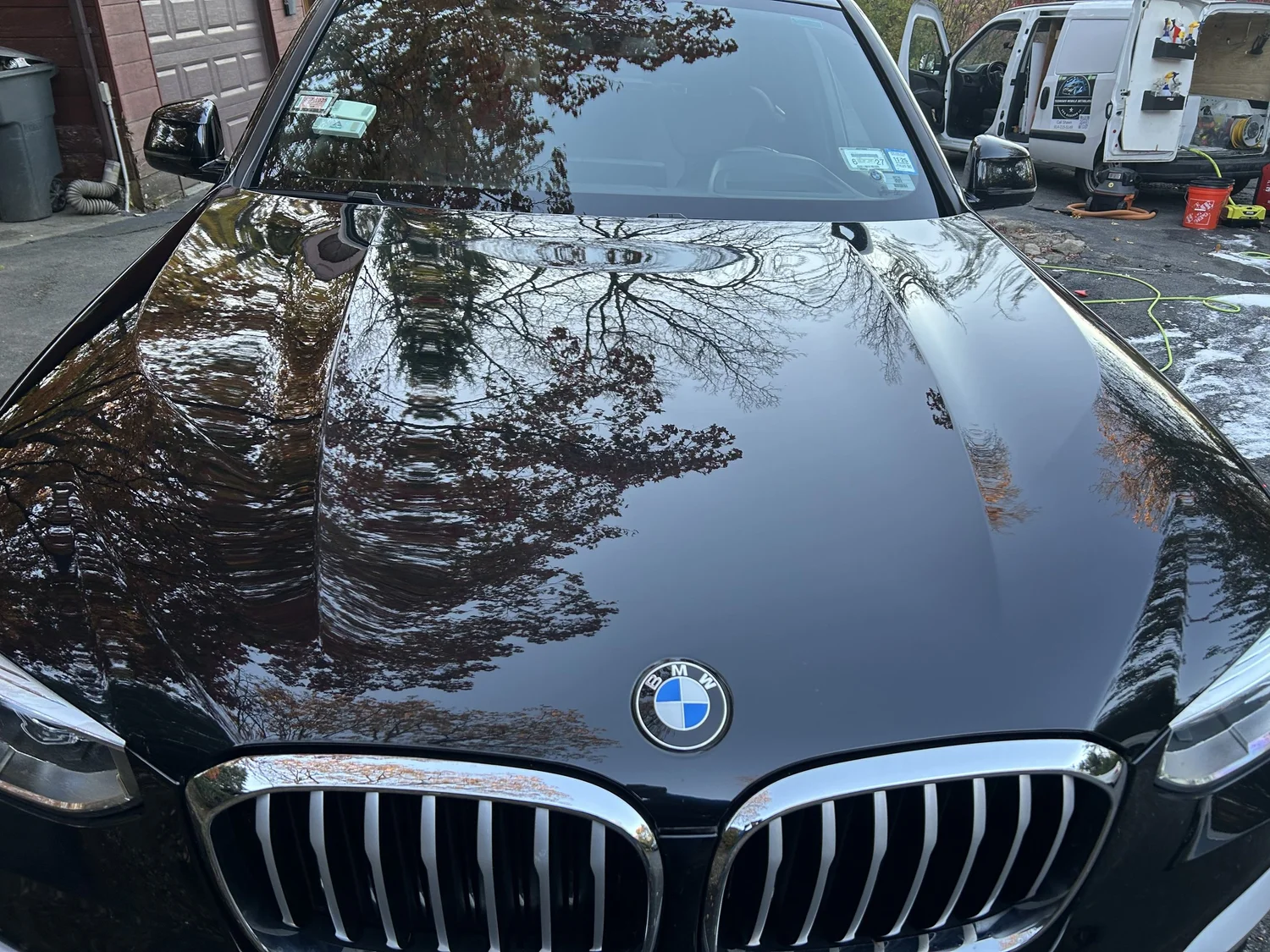
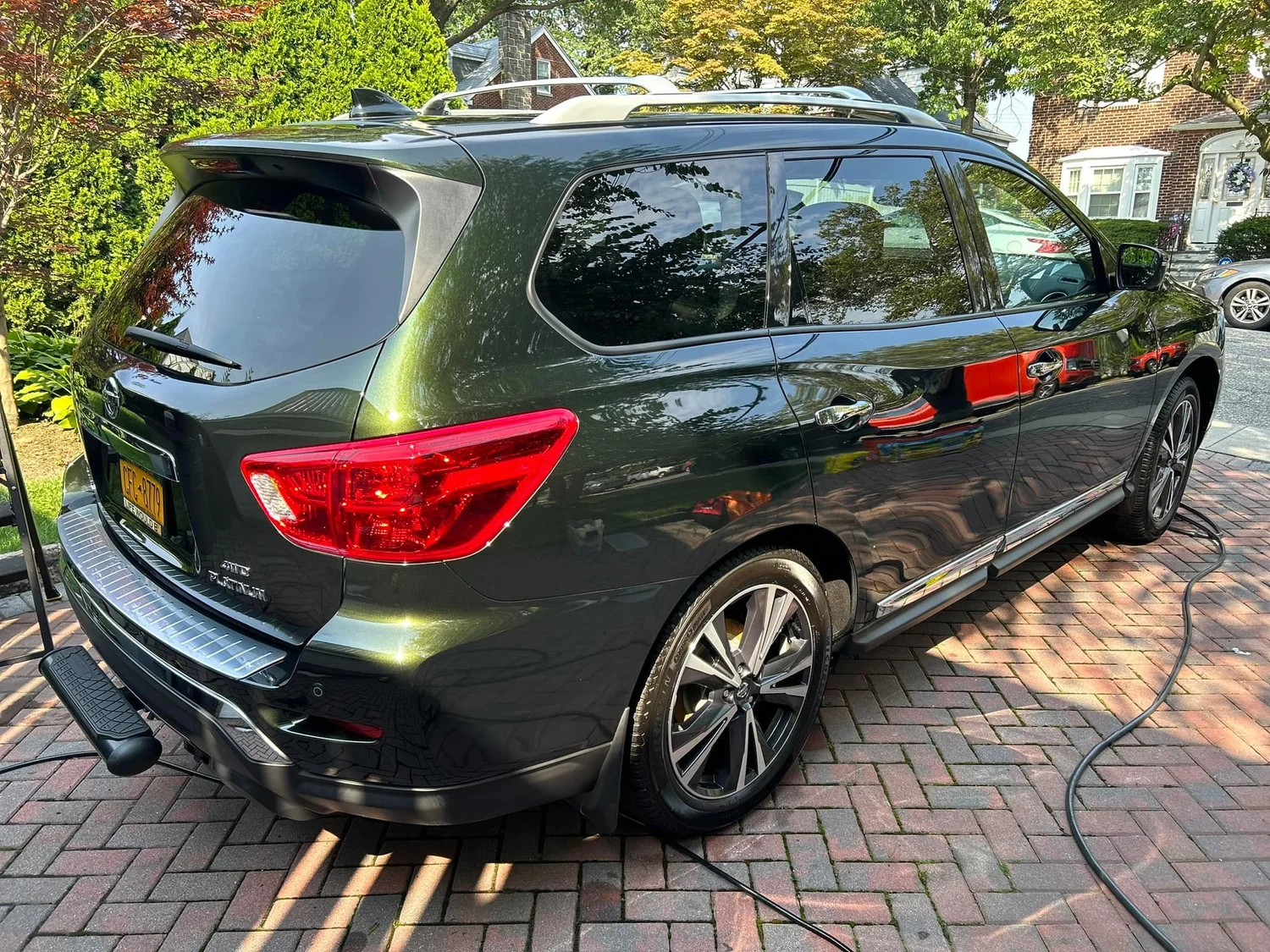
Ceramic Coating Results on
Real Westchester Vehicles
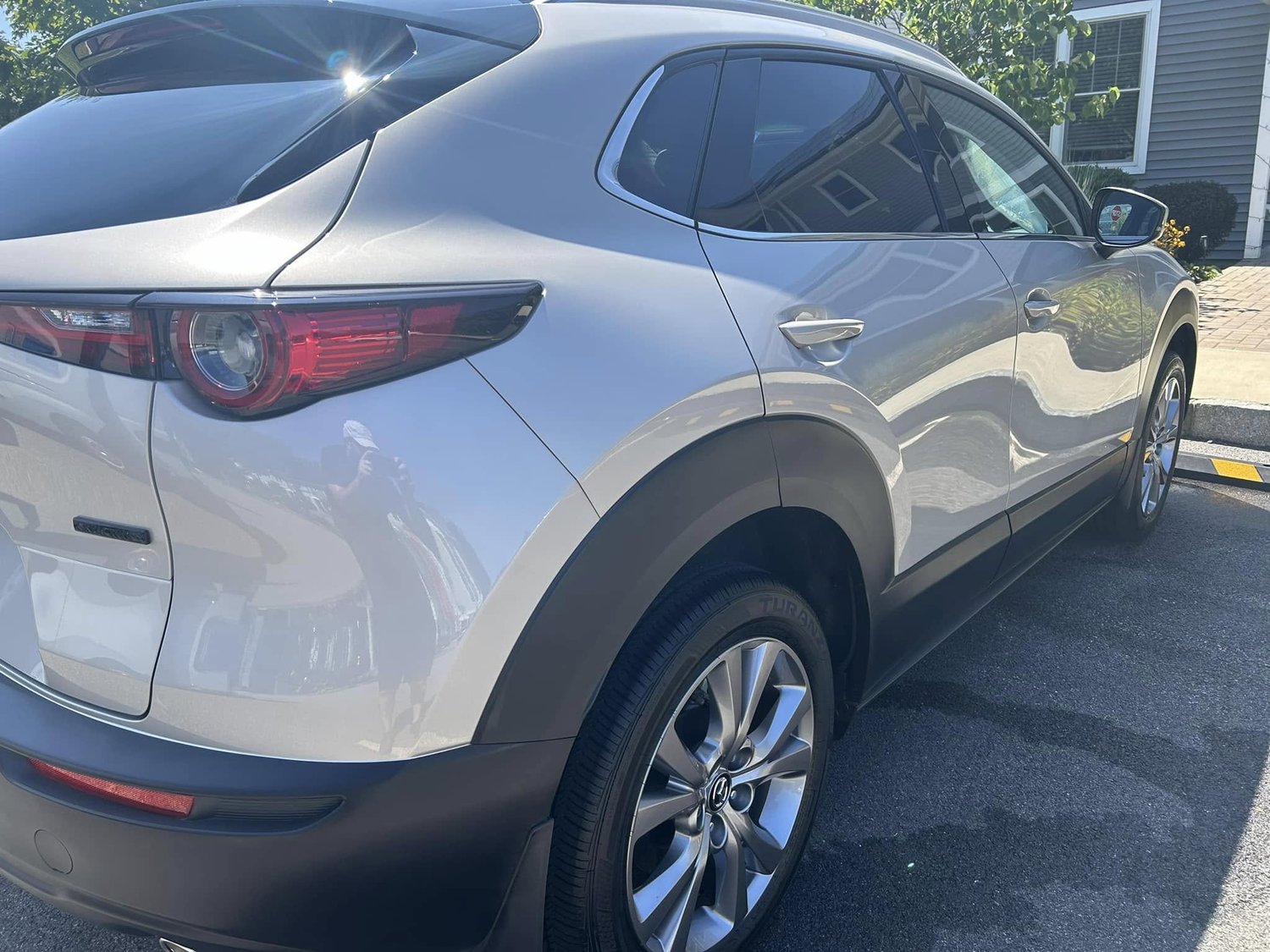
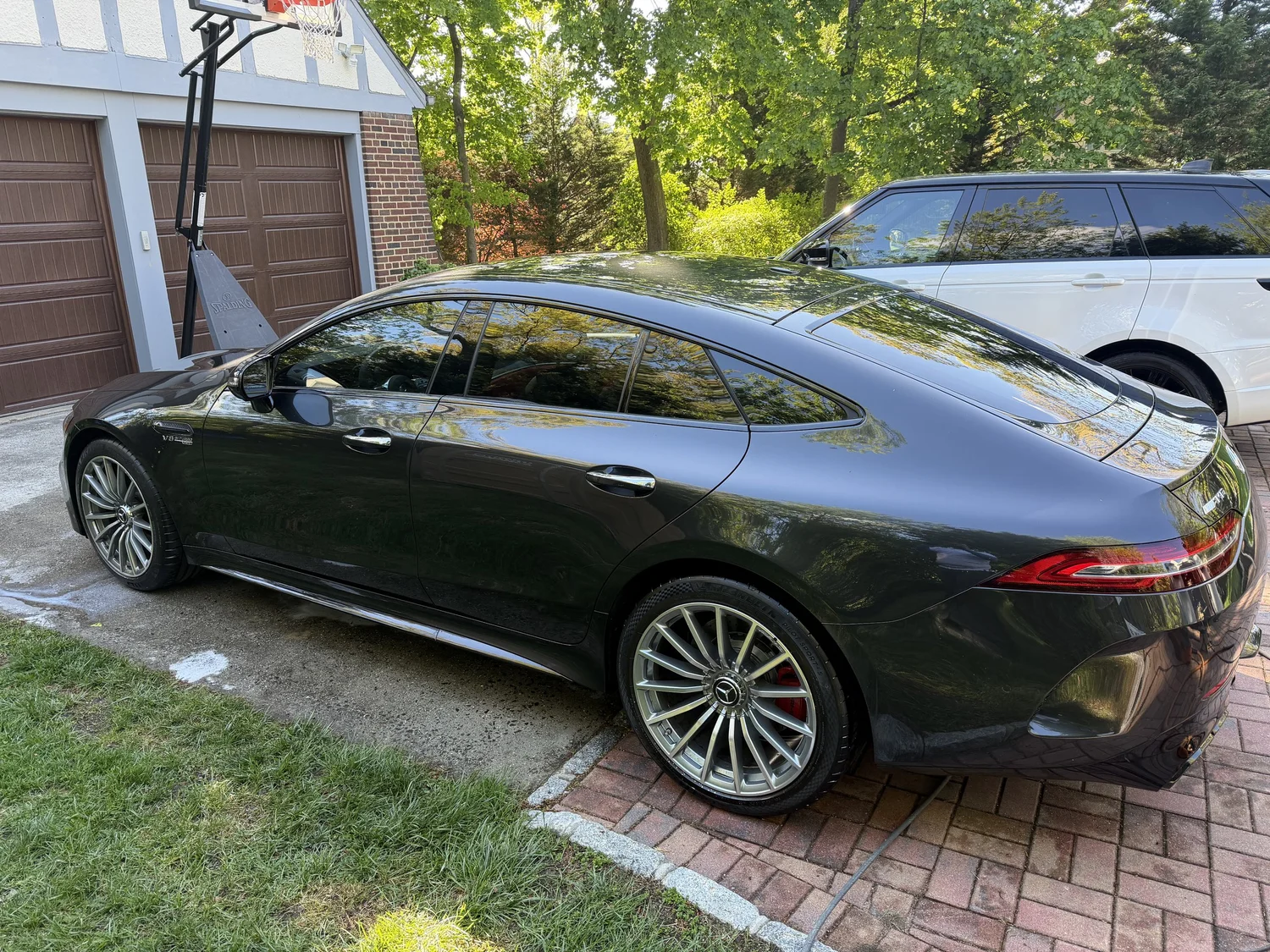
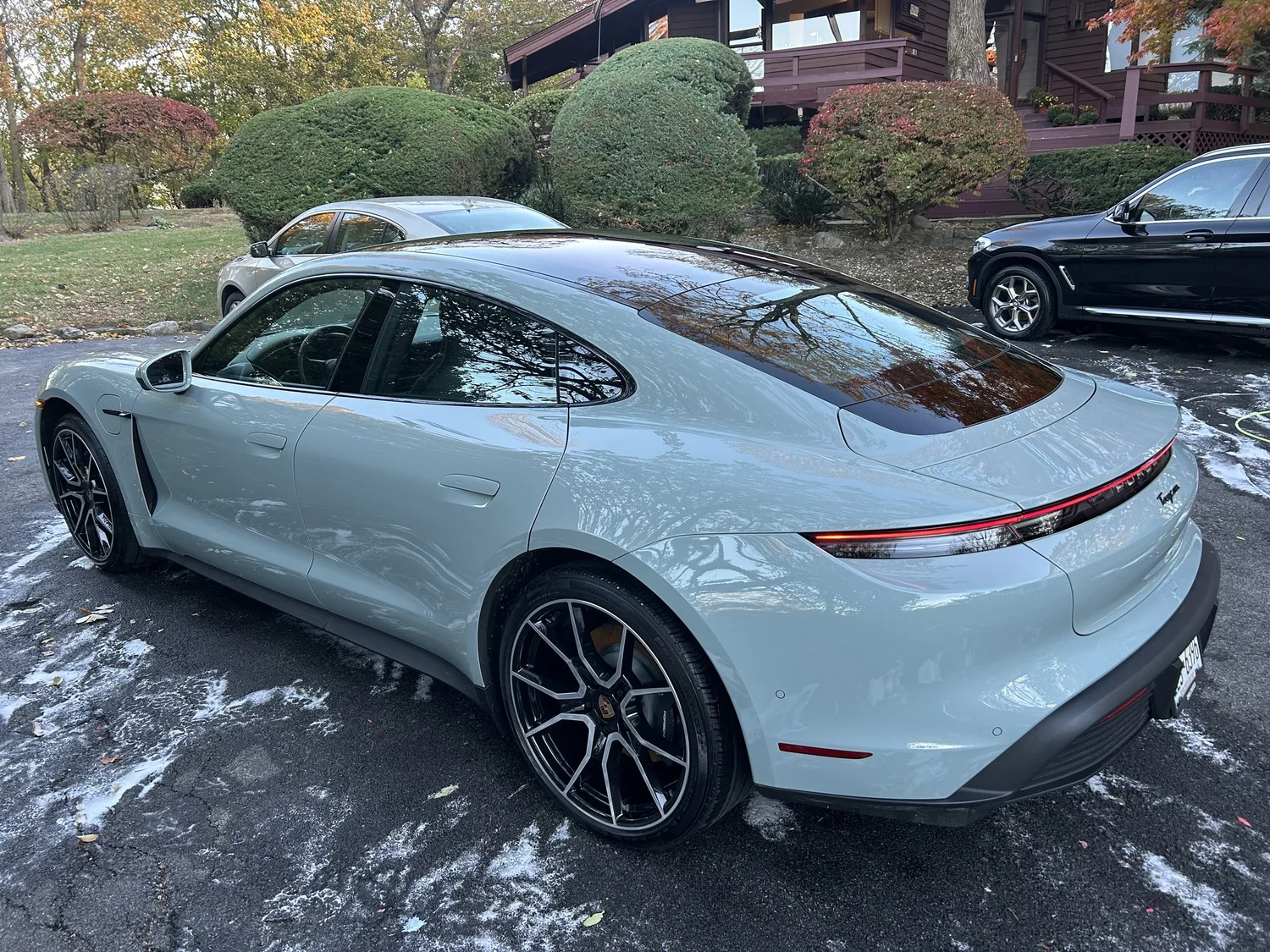
Who Gets the Most Value
From Ceramic Coating
Ceramic coating is a strong investment for a wide range of vehicle owners — but it makes more sense in some situations than others. Here's an honest assessment.
Makes the Most Sense If:
- — You drive daily and want washing to take significantly less time and effort
- — You're keeping the vehicle for five or more years and want the paint to hold up
- — You park outside year-round and want more protection against what Westchester weather delivers
- — You've had the paint corrected and want to preserve that result as long as possible
- — You have a new or nearly-new vehicle and want protection in place before damage accumulates
May Not Be the First Priority If:
- — The vehicle has significant paint damage, heavy oxidation, or many uncorrected swirl marks — correction and a reset-level exterior service should come first
- — You're planning to sell or trade in the vehicle within the next year or two — the cost-to-benefit ratio of a multi-year coating may not pencil out
- — The vehicle is rarely driven or stored most of the year — simpler, shorter-term protection options may be more appropriate and cost-effective
How to Maintain a Ceramic Coating
Once It's Applied
A ceramic coating requires less maintenance than bare paint, but it isn't zero maintenance. Hand washing or touchless washing is the recommended approach — automatic brush car washes introduce friction that gradually dulls the coating's hydrophobic performance. During Westchester's winter salt season, more frequent washing remains important even on coated vehicles; the coating makes salt removal easier, but the salt still needs to be removed.
Bird droppings, tree sap, and bug residue should still be removed promptly. The coating buys you more time before etching occurs — not unlimited time. Over the long term, periodic professional decontamination keeps the coating performing properly, which is why many ceramic coating clients pair their installation with a Monthly Maintenance program.
As the coating ages, water will gradually stop beading as tightly — a sign it's approaching the end of its effective life and may be due for inspection or reapplication. Keeping an eye on water behavior is the simplest way to track how your coating is performing over time.
Ceramic Coating Benefits —
Frequently Asked
Find Out If Ceramic Coating
Is Right for Your Vehicle
Tedrow's Mobile Detailing offers ceramic coating services throughout Westchester County — New Rochelle, Scarsdale, Pelham, Bronxville, Rye, Mamaroneck, Larchmont, Chappaqua, Port Chester, and Rye Brook. We assess your vehicle's current condition, recommend the right preparation, and apply protection designed to last. We come to you — no drop-off required.