

What Is
Exterior Car Detailing?
More than a wash — exterior detailing safely removes contamination, restores surface condition, and protects your vehicle's finish from the environmental exposure it faces every day.
More Than a
Car Wash
A car wash removes surface dirt. Exterior detailing goes further — addressing the contamination that standard washing cannot reach, the protection that prevents future damage, and the surface condition that determines how the vehicle looks and feels over time.
Your vehicle's clear coat is a thin layer of transparent paint that sits over the color coat and acts as its primary defense against the environment. Over time, UV radiation slowly breaks down the molecular structure of this layer, causing paint to appear faded, chalky, or dull. Road film, industrial fallout, and organic contaminants penetrate the clear coat surface and bond to it — creating a layer of embedded contamination that changes the texture and reflectivity of the paint even after a standard wash.
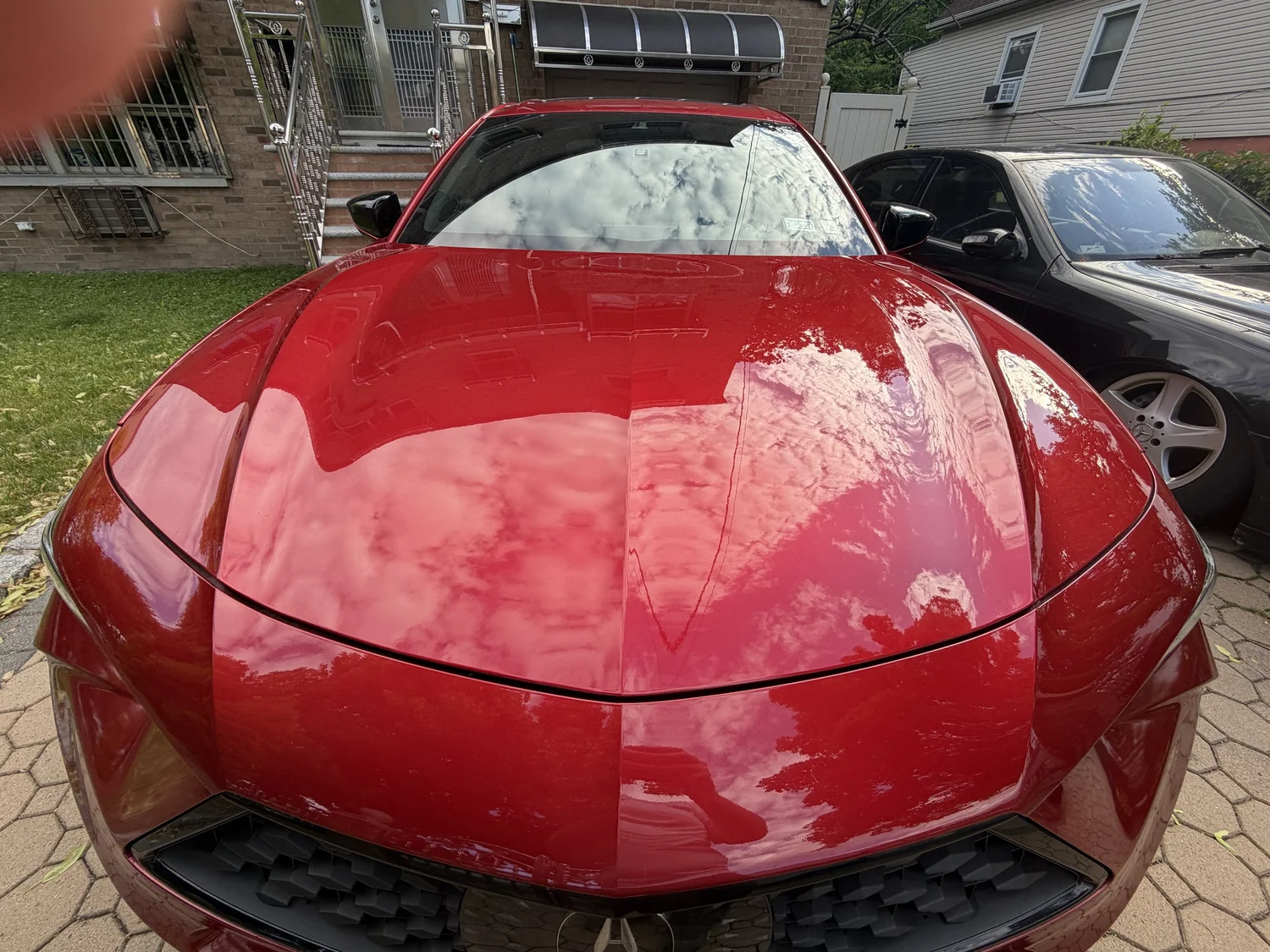
Exterior car detailing is designed to interrupt this cycle. It addresses what's on the surface, what's bonded to the surface, and what's needed to protect the surface going forward. The result isn't just a cleaner vehicle — it's a vehicle whose exterior is in genuinely better condition than it was before the service. Book Exterior Essentials
What Actually Damages
Your Vehicle's Exterior
Most exterior damage is invisible until it isn't. The contaminants that cause the most long-term harm are often the ones that don't look alarming when they first appear. Understanding what your vehicle is up against in daily Westchester driving is the first step toward protecting it properly.
Industrial Fallout & Brake Dust
Microscopic iron particles from brake dust and industrial emissions land on the paint and embed into the clear coat. Over time they oxidize, creating tiny rust-colored specks and a rough surface texture. Standard washing removes none of it — chemical decontamination is required to address it properly.
Road Salt & Winter Brine
Westchester roads are heavily treated with salt and liquid brine during winter. These materials are highly corrosive and accumulate in lower panel seams, wheel wells, and door jamb areas where they accelerate surface deterioration and weaken paint protection over months of exposure without proper removal.
Bird Droppings & Tree Sap
Bird droppings are acidic and can etch clear coat within hours in direct sunlight. Tree sap hardens into a sticky resin that bonds aggressively to paint. Both become increasingly difficult to remove safely the longer they sit — and both can cause permanent surface damage if left unaddressed.
UV Radiation & Heat Cycling
UV rays break down paint protection and slowly degrade the clear coat itself, causing the oxidation and fading that makes older vehicles look dull. Repeated heat cycling — the expansion and contraction of paint through temperature changes — stresses the clear coat over time, making it more vulnerable to other forms of damage.
Automated Car Washes
Spinning brushes in tunnel washes drag contamination across the paint surface, creating fine scratches and swirl marks with every pass. Even "touchless" washes often use aggressive chemistry that strips existing protection. Regular automated wash use is one of the primary contributors to a dull, hazy finish on an otherwise well-kept vehicle.
Water Spots & Mineral Deposits
Hard water — common throughout Westchester — leaves behind calcium and mineral deposits when it evaporates on paint. Fresh water spots are relatively easy to remove. Mineral deposits baked on by sunlight and heat cycling can etch the clear coat permanently, requiring correction to fully address.
The Exterior Detailing
Process Explained
Every exterior service follows a structured sequence designed to improve the vehicle safely while minimizing wear to the finish. The steps matter as much as the products — and the order they're performed in is just as important as what's used.
Safe Surface Cleaning
We begin with a pH-neutral snow foam pre-soak applied to all exterior surfaces. This encapsulates loose contamination and allows it to release before any contact is made with the paint — dramatically reducing the risk of scratching during the wash. The hand wash that follows uses a multi-bucket method with dedicated wash and rinse buckets, clean microfiber mitts, and a top-to-bottom sequence so dirtier lower panels are always cleaned last. Wheels, wheel wells, door jambs, and trunk jambs receive individual attention with dedicated brushes appropriate for each surface type.
Learn about Exterior Essentials →Paint Decontamination
For vehicles with embedded contamination — paint that feels rough, looks muted despite washing, or carries bonded particles — decontamination is a necessary step before protection can be applied effectively. An acid-free iron remover reacts chemically with embedded iron particles, dissolving them without abrasion. A clay bar treatment then lifts any remaining bonded contamination — tar, sap residue, and anything the chemical step left behind. The result is paint that feels genuinely smooth again and a surface properly prepared to bond with protection. Learn more about paint decontamination.
Protection Application
Once the surface is properly cleaned and prepared, protection is applied to create a barrier between the paint and ongoing environmental exposure. Spray wax and polymer sealants offer short-term hydrophobic behavior for vehicles in regular maintenance cycles. Ceramic coatings provide a more durable semi-permanent layer that bonds chemically to the clear coat, significantly improving contamination resistance, hydrophobic performance, and long-term gloss depth. Protection only performs as well as the preparation underneath it — which is why the cleaning and decontamination steps are just as important as the coating itself.
Not Every Vehicle
Needs the Same Thing
The right service depends on the current condition of the vehicle — not just what the owner wants it to look like. Applying maintenance-level care to a vehicle that needs a reset produces mediocre results. We evaluate the paint, trim, wheels, and contamination level before recommending a service.
Exterior Essentials
Designed for vehicles already in manageable condition. The paint is in reasonable shape, there's no heavy embedded contamination, and the vehicle needs a thorough proper clean with protection applied. The right service for regular maintenance and ceramic coating upkeep.
From $100 · Sedan / $120 · SUV / $140 · Truck
Book Exterior EssentialsSignature Exterior Reset
For vehicles with heavy road film, bonded contamination, neglected surfaces, rough paint texture, or post-winter buildup. Adds paint decontamination and clay bar treatment — addressing what's embedded in the paint, not just what's on the surface.
From $180 · Sedan / $210 · SUV / $230 · Truck
Book Signature Exterior ResetWhen the Paint Needs
More Than a Clean
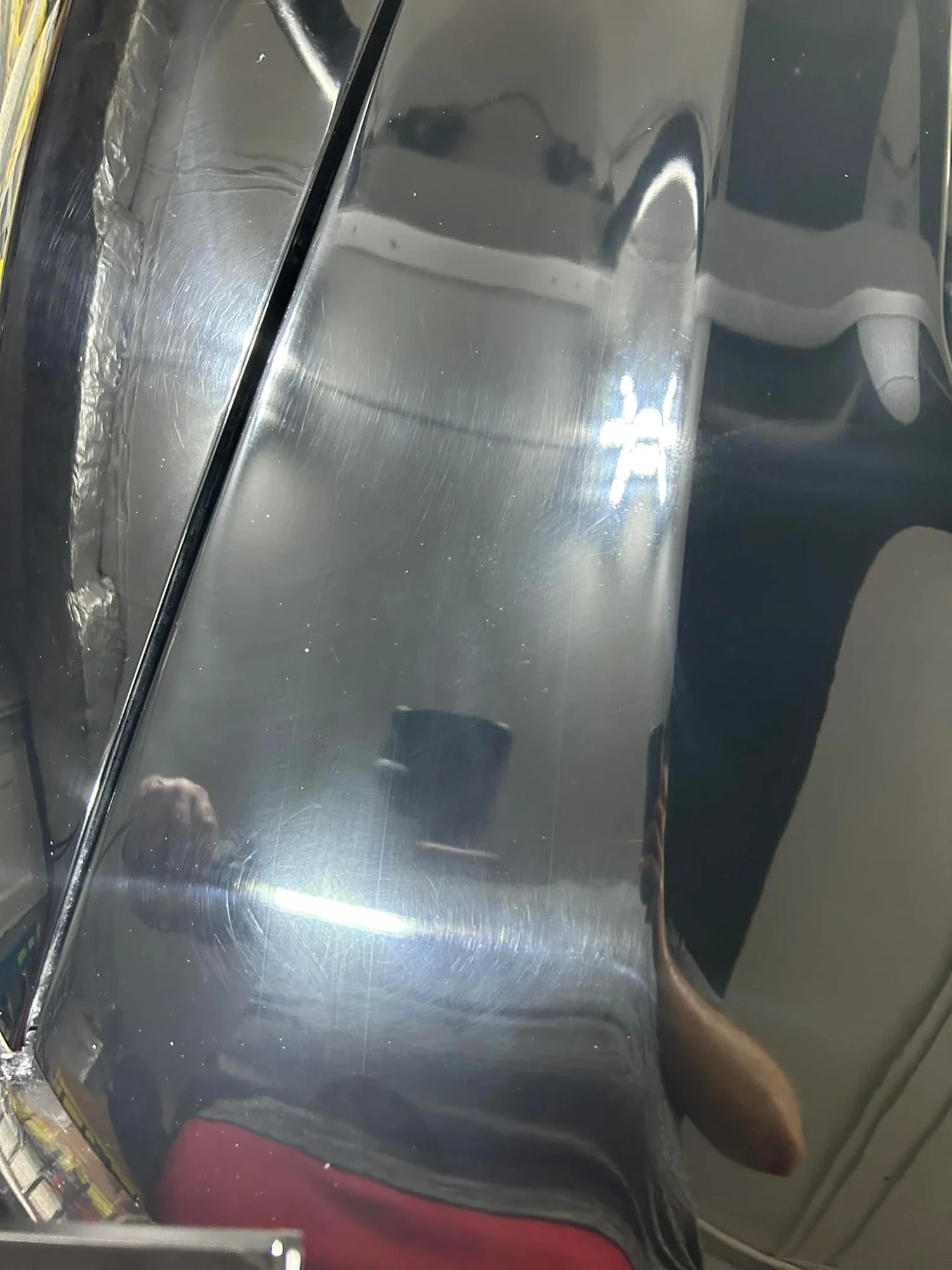
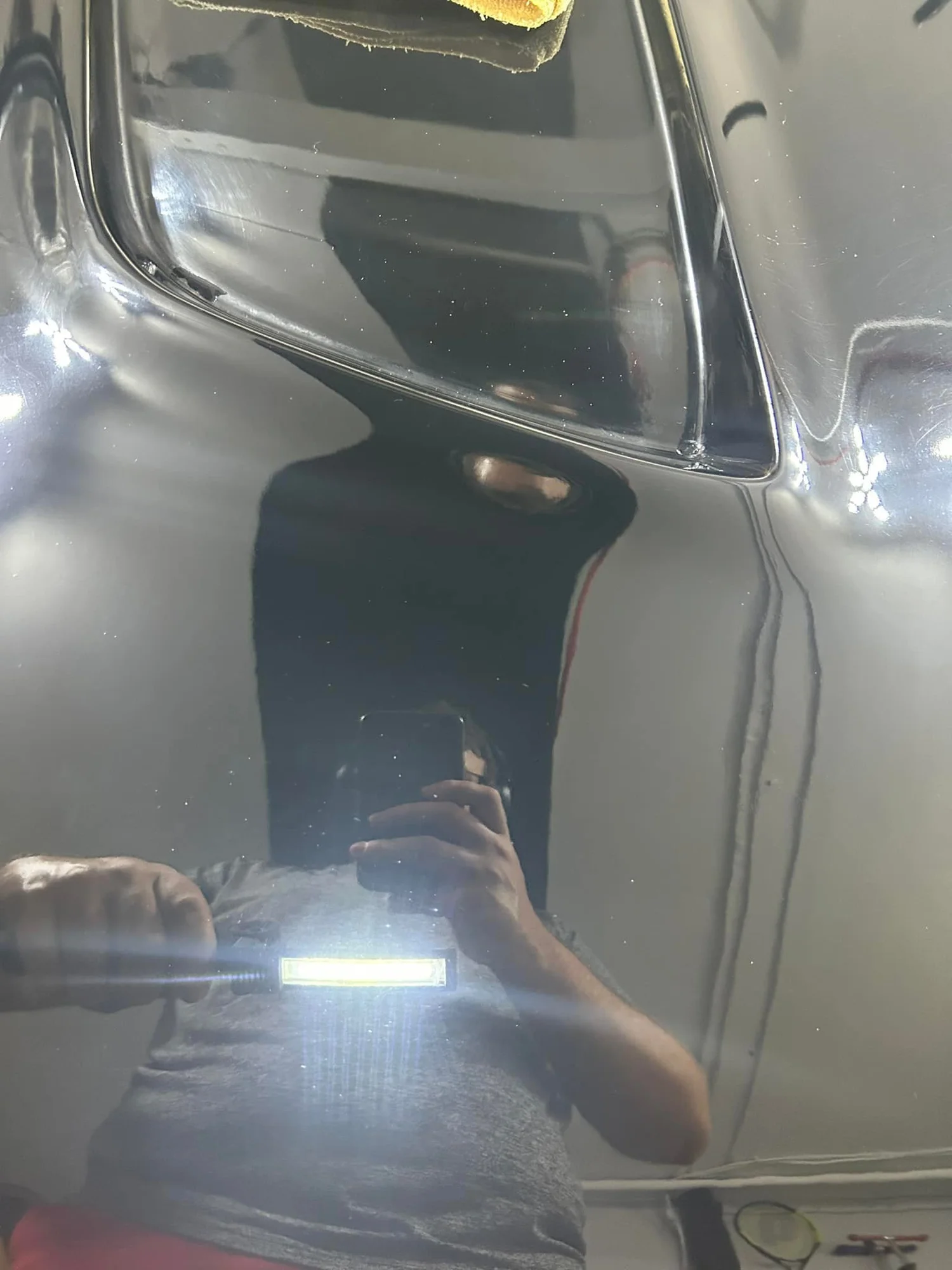
Swirl marks, fine scratches, haze, and oxidation are paint defects — not contamination. They exist within the clear coat itself, not on top of it. Washing and decontamination cannot address them because they're below the surface.
Removing paint defects requires machine polishing — a process that carefully removes a very thin layer of clear coat, leveling the surface and eliminating the scratches that create swirl patterns and dull reflection. The result is deeper gloss, improved clarity, and a finish that reflects light the way the vehicle did when it was new. Paint correction is typically recommended after a reset service, and is the necessary step before applying ceramic coating to a vehicle with visible defects.
How Westchester Seasons
Affect Your Paint
Your vehicle doesn't experience wear evenly throughout the year. Each season in Westchester introduces a different combination of contaminants, environmental stressors, and surface risks that accumulate over time. Understanding the seasonal pattern helps you address the right things at the right time.
Winter — Salt, Brine & Corrosion
Westchester roads are heavily treated with salt and liquid brine during winter. These materials accumulate along lower panels, seams, and wheel wells where they work aggressively against paint protection and bare metal surfaces. Vehicles that go through winter without regular washing carry months of corrosive buildup by spring — a mid-winter wash during a mild stretch significantly reduces the accumulation.
Book Winter DetailSpring — The Most Important Reset
By spring, most vehicles carry months of accumulated road salt, brine residue, and embedded contamination built up during cold weather. Spring is the most important time for a complete exterior reset — removing winter buildup through proper cleaning and decontamination before the contamination has more time to damage the finish ahead of summer UV exposure.
Book Spring ResetSummer — UV, Heat & Organic Buildup
Summer introduces intense UV radiation, bug residue, tree pollen, bird droppings, and tree sap — all of which interact with unprotected paint in damaging ways. Bug residue becomes increasingly acidic and difficult to remove the longer it bakes in summer heat. Bird droppings can etch clear coat within hours of direct sun exposure. Vehicles without proper protection are significantly more vulnerable during warmer months.
Book Summer DetailFall — Protect Before Winter Returns
Fall is the most strategic time of year to reinforce protection before winter exposure begins again. A vehicle entering winter with compromised or depleted protection is significantly more vulnerable to salt damage and accelerated deterioration. A fall exterior reset followed by fresh sealant or coating maintenance creates the best possible foundation for the months ahead. Trim restoration is also commonly recommended in fall for vehicles with faded exterior plastics.
Book Fall ResetExterior Details
Across Westchester
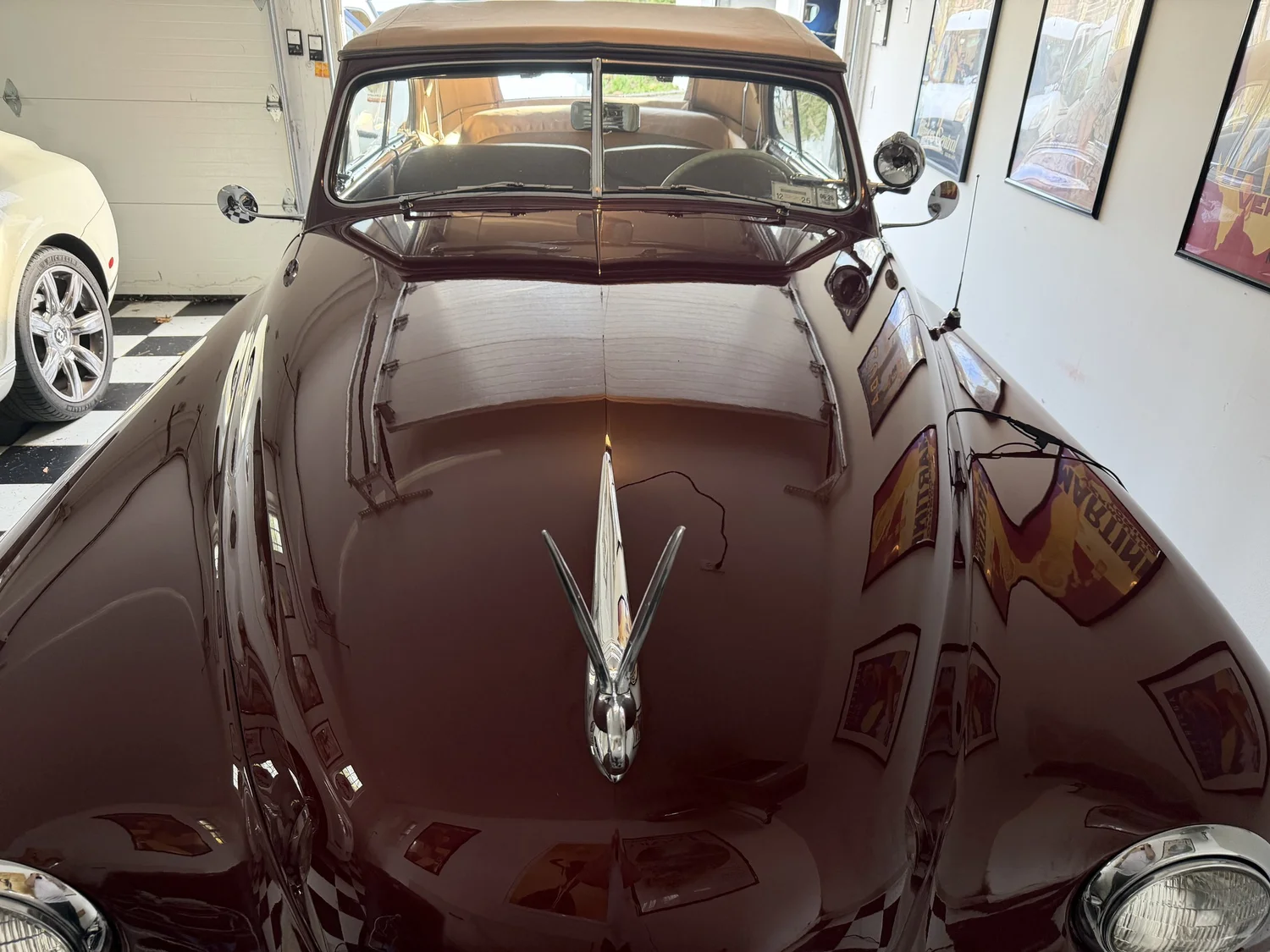
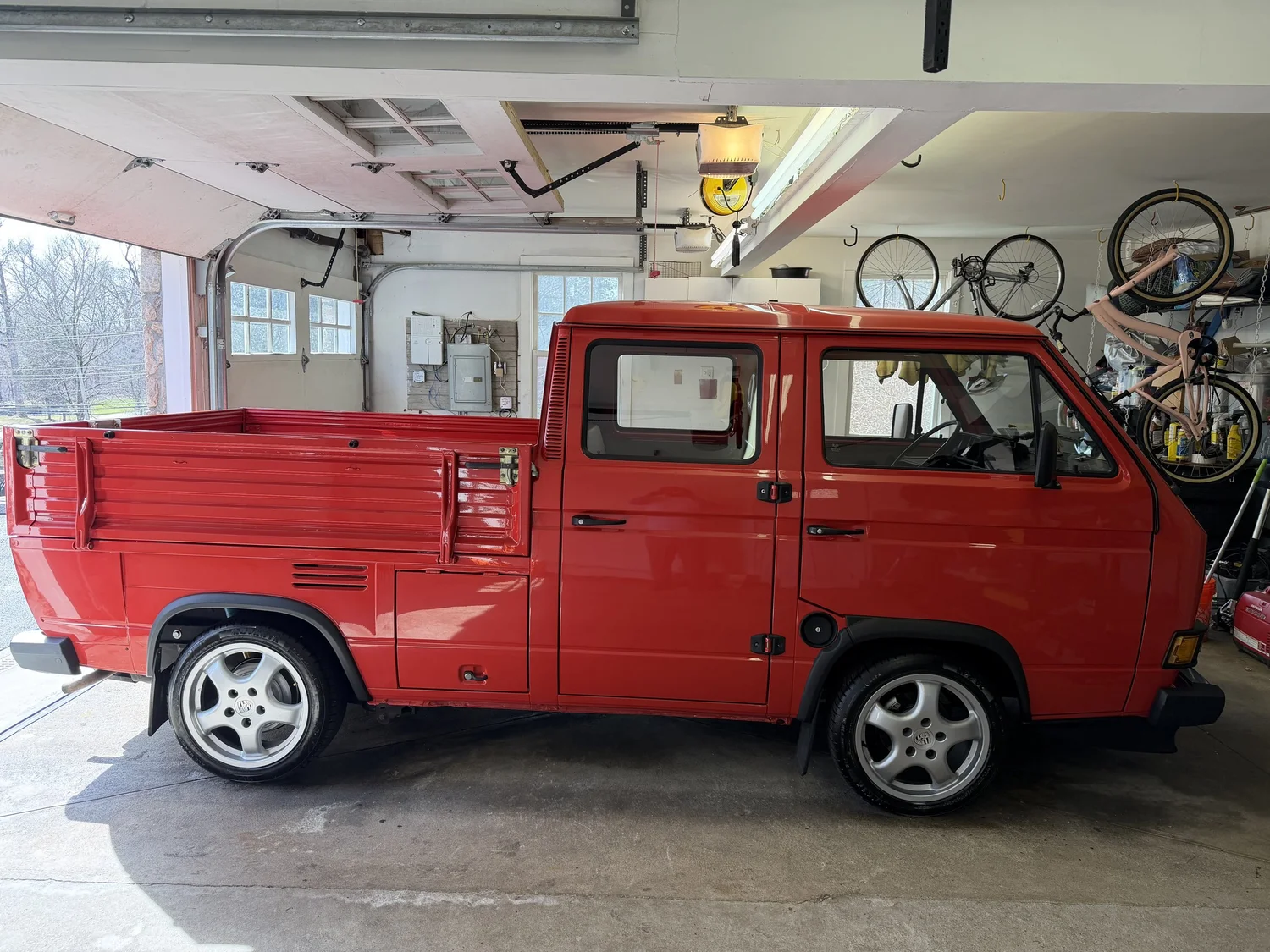
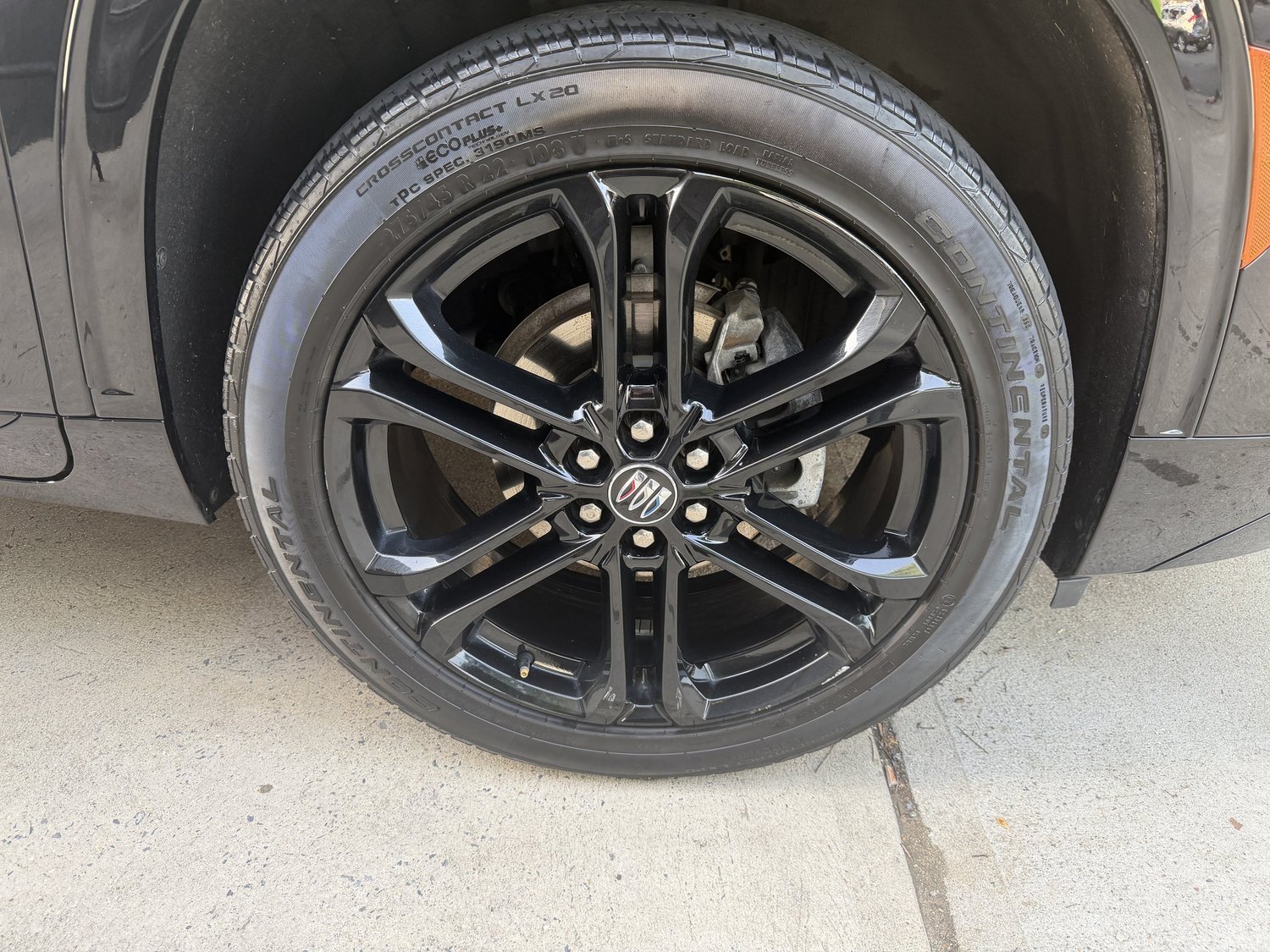
Why Ceramic Coating
Changes the Math
Traditional paint sealants and spray waxes offer short-term protection — typically weeks to a few months before they deplete and need to be reapplied. They're appropriate for vehicles in regular maintenance cycles, but they don't fundamentally change how the paint interacts with contamination.
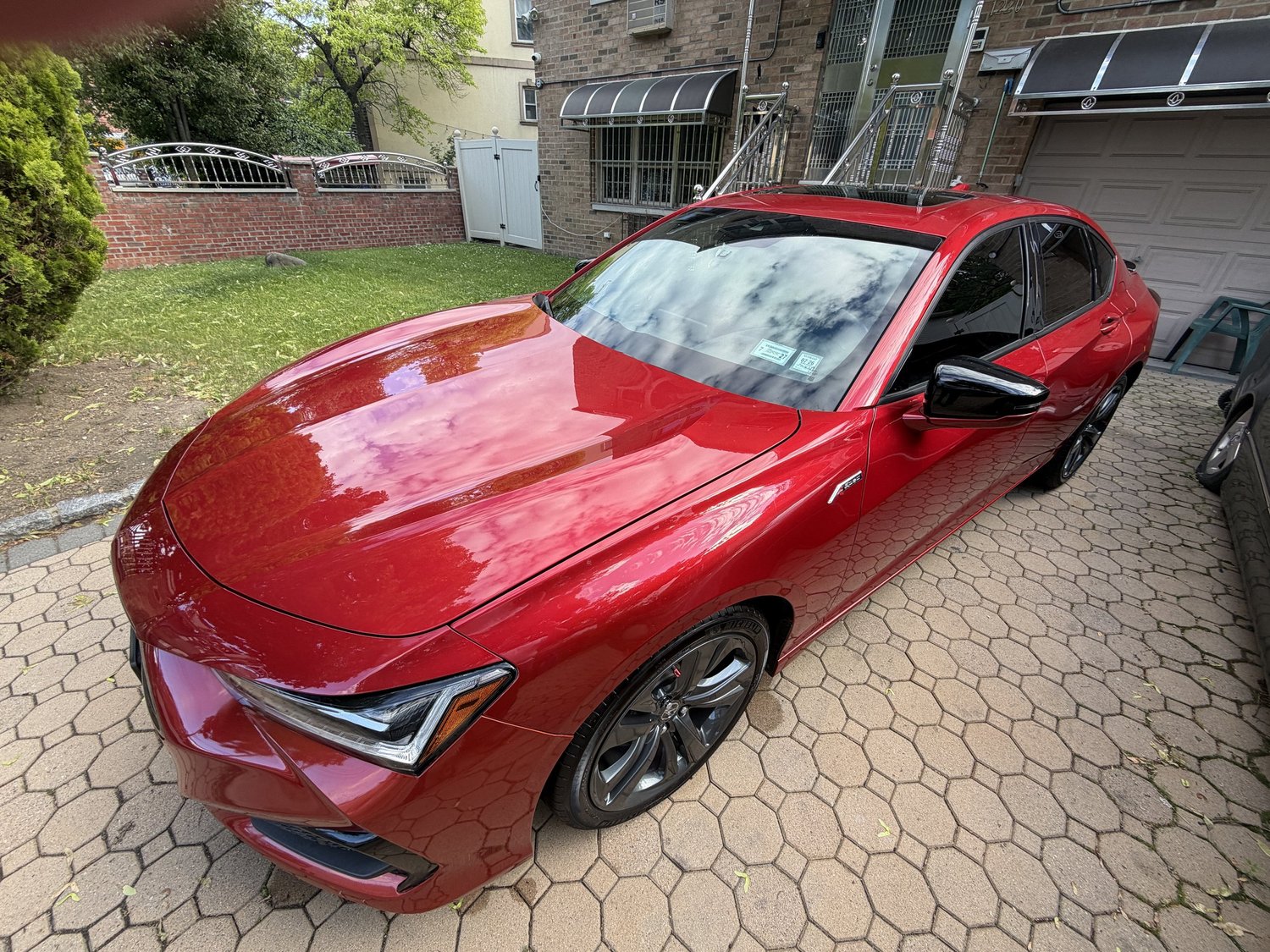
Ceramic coating works differently. It bonds chemically to the clear coat and creates a semi-permanent hydrophobic layer that significantly reduces contamination adhesion, improves gloss depth, and makes the exterior dramatically easier to maintain. Rather than sitting on top of the paint, it becomes part of the surface — performing far better and far longer than any wax or sealant.
For vehicles being prepared for ceramic coating, a Signature Exterior Reset with decontamination is the right starting point. Protection bonds more effectively to a properly decontaminated surface, and the long-term results are meaningfully better than coating applied over contaminated paint.
Book Ceramic CoatingFrequently Asked About
Exterior Detailing
Ready to Get Your
Exterior Taken Care Of?
If you're unsure what level of service your vehicle needs, view our exterior services and choose the option that best matches its current condition — or book and we'll assess before starting.